Avoiding Common Roof Repair Mistakes That Could Cost You
What You’ll Learn
How can I avoid improper roof repairs that end up costing me more later?
You can avoid costly roof repair mistakes by choosing a licensed and insured contractor, avoiding DIY repairs that overlook hidden damage, and making sure quality materials and proper installation methods are used.
Paying attention to warning signs such as uneven shingles, exposed nails, or reused flashing can help you catch poor workmanship early and protect your home from costly water damage.
In This Blog:
You spotted it from the driveway, a few crooked shingles that just didn’t look right.
It’s no big deal, except that your roof was repaired just last week.
Fast forward a few months, and now you’ve got water in the attic, warped drywall, and a repair bill that’s double what it should have been.
Maybe you climbed up there yourself for a quick fix.
Maybe a neighbor’s roofer offered to “patch it up” for cheap.
We’ve seen it too often: roofing issues that turn into costly problems, not because they were ignored, but because they were fixed the wrong way.
Before you make a decision about roofing projects, here are the most common roof repair mistakes homeowners make and how you can steer clear of them.
What Happens When You Hire the Wrong Roofer
What is the most expensive mistake homeowners make? Hiring a roofer who isn’t licensed or insured.
If a roofer gets hurt on your property and isn’t insured, you could be on the hook. If they cut corners and disappear before problems show up, you’re stuck paying for someone else to fix it.
DIY Roof Repairs: Good Intentions, Bad Results
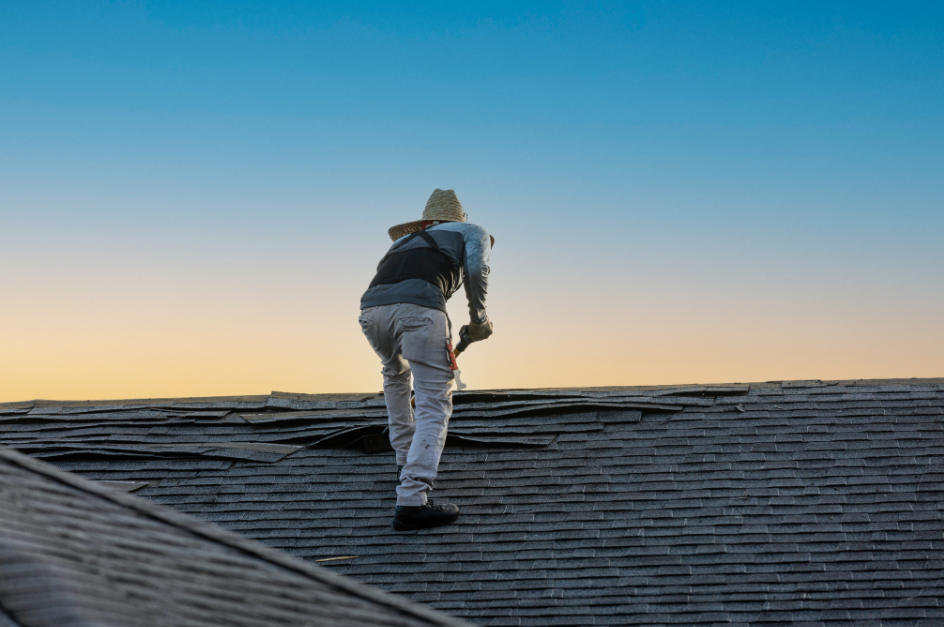
We get it—climbing up on the roof yourself or calling a friend who says they can make a quick fix seems like a good way to save money. You spot a shingle that’s out of place and figure: how hard can it be?
The problem is that roofing systems are more complex than they appear.
A small mistake, such as driving a nail in the wrong spot, using the wrong sealant, or overlooking hidden damage, can lead to significant water intrusion later.
DIY repairs often skip critical steps like:
- Inspecting the underlayment for hidden rot
- Resealing flashing around chimneys and vents
- Making sure repairs match the original installation specs
Without the right tools, training, and materials, it’s easy to do more harm than good. One missed step can turn a $200 fix into a $2,000 problem.
The Cheapest Materials Often Cost the Most
We’ve seen it time and again—someone cuts corners with bargain-bin shingles, generic sealants, or leftover materials from another job.
But cheap materials don’t last, don’t protect well, and often don’t come with meaningful warranties.
What you need to watch out for:
- Thin, low-cost shingles that dry out, crack, or curl after just a few seasons
- Underlayment patches that tear easily or weren’t sealed correctly
- Off-brand caulking or sealants that don’t bond well in cold, wet, or fluctuating weather
In roofing, you get what you pay for. A quality repair with durable, weather-tested materials can extend your roof’s life by a decade or more.
What to Look for in a Roofer
A reputable roofer doesn’t just check one or two boxes; they check them all.
If a contractor claims to be “licensed and insured” but can’t provide proper documentation, clear communication, or a written warranty, that’s a red flag.
Before you sign any contract, make sure your roofer meets all of the following standards.
Proof of Insurance
A reputable roofer carries at least $1 million in liability insurance.
Why? Because $100,000 isn’t enough to cover serious damage if something goes wrong. Request documentation, ensure their coverage is current, and verify that it covers both liability and workers’ compensation.
State License
In Pennsylvania, roofers must be registered as Home Improvement Contractors (HICs), and you can check their registration online by requesting their HIC number.
But that’s just a starting point. The registration is easy to get and doesn’t guarantee skill, experience, or proper insurance. Don’t assume “registered” means reputable—look at the whole picture.
Written Estimates and Contracts
A handshake isn’t enough. A professional roofer will give you a:
- A clear estimate that outlines labor, materials, and any contingencies
- A written contract that protects both parties
- A timeline for when work will start and finish
Workmanship and Manufacturer Warranties
Good roofers stand by their work. Look for a:
- A workmanship warranty covering installation errors (usually 5–10 years)
- A manufacturer’s warranty on materials like shingles (20–50 years or more)
If the roofer can’t explain the difference between the two, move on.
Clear Communication and Accountability
You should know:
- Who’s supervising the crew
- How to get in touch with them if issues come up
- What to expect during the job (noise, access, cleanup, etc.)
Professionals are upfront, easy to reach, and happy to answer your questions.
Local References and Portfolio
A trustworthy roofer will have:
- A list of recent projects in your area
- Homeowners willing to vouch for their work
- Before-and-after photos of completed jobs
Signs of Improper Roof Repairs (and What to Look For)
If you’ve recently had roofing work done and are starting to notice issues—or even just have a gut feeling that something’s not right—you’re not alone. We’ve seen plenty of roofs that looked fine on the surface but were hiding serious problems underneath.
Whether you’re dealing with active leaks or just want peace of mind, here are the most common red flags that could signal a poor-quality roofing job:
1. Uneven or Crooked Shingles
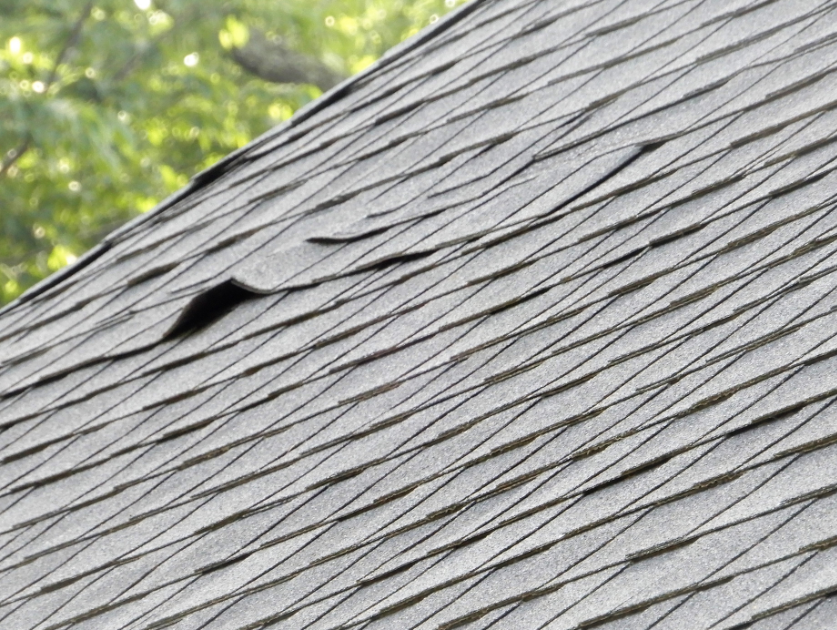
If the shingle lines don’t follow a straight, consistent pattern, that’s a problem. It’s not just about looks—misaligned shingles can leave gaps that allow wind and water to enter.
2. Failure to Replace Drip Edge Flashing
Drip edge flashing should always be replaced if it was damaged or removed during a repair.
Leaving it out—or reinstalling a warped piece—lets water seep behind the shingles and rot your fascia board.
3. Visible Nails or Improper Nailing
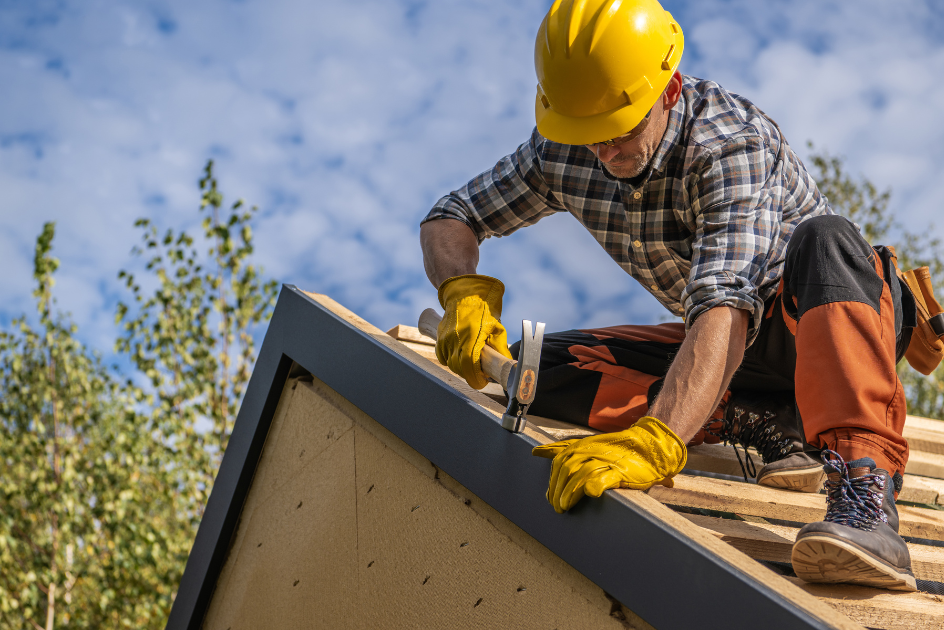
Repairs should never leave nails exposed to the elements.
You might see popped nails, nails driven too deep, or nails in the wrong spot, all of which can lead to leaks or shingle blow-offs in the next storm.
4. Reused Flashing or Materials
If your repair involved flashing around a chimney, vent, or skylight, it should have been replaced…not reused.
Old, bent, or brittle flashing won’t seal properly and can allow slow leaks that go unnoticed until serious damage sets in.
5. Mismatched or Incompatible Materials
Some repair crews grab whatever shingles are on hand, regardless of quality or match. If the patch looks obviously different in color or texture—or feels thinner or cheaper than the original roofing—it may wear out faster and cause more issues over time.
6. Debris Left Behind After the Repair
A careless cleanup job—shingle scraps in your gutters, nails in the driveway, materials left on the lawn—is often a sign of a careless repair.
Reputable, responsible roofers are careful to leave your property clean and safe after every job.
Protect Your Roof—and Your Wallet
Your roof is your home’s first line of defense. If it’s done wrong, you’re not just risking leaks—you’re risking everything underneath.
At GP Martini Roofing, we’ve seen the results of these common mistakes—and we’ve helped hundreds of homeowners make things right again.
Don’t wait until a small issue becomes a disaster. Whether you need an inspection, repair, or a second opinion, our team is here to help.
Schedule a Free Roof Estimate with GP Martini Roofing
Know for sure what your roof needs—and what it doesn’t. Contact us today for a no-pressure, no-obligation inspection.
FAQ
Can I fix small roof problems myself?
DIY roof repairs often cause more harm than good. Without proper training and tools, it’s easy to miss hidden damage or make mistakes that lead to leaks later. What seems like a quick fix can end up costing thousands of dollars. It’s safer and smarter to call a licensed roofer for even small issues.
How do I know if I hired the wrong roofer?
If your roofer didn’t provide proof of insurance, skipped a written contract, or rushed through the job, you may not be in good hands. Uneven shingles, poor cleanup, and vague communication are red flags. If you’re unsure, it’s worth getting a second opinion before more damage occurs.
What should I ask before hiring a roofer?
Always ask if they’re licensed, carry at least $1 million in liability insurance, and offer a workmanship warranty. Request a written estimate and local references, and confirm who will manage the crew. A reputable roofer will have clear answers and won’t hesitate to show proof of coverage and experience.
Does insurance cover roof damage from poor repairs?
Most homeowners’ insurance policies don’t cover damage caused by improper installation or the use of unlicensed contractors. If a faulty repair leads to a leak or structural damage, the cost typically falls to you. That’s why it’s so important to hire a fully insured, reputable roofer the first time.
Is it worth paying more for better materials?
Yes—high-quality roofing materials last longer, perform better, and often come with stronger warranties. Bargain materials may fail more frequently, leading to increased repairs and higher costs over time. Investing in quality now protects your roof—and your home—for years to come.
When should I schedule a roof inspection?
Schedule an inspection if you’ve noticed any signs of damage, recently had work done, or haven’t had a professional check in over a year. Dry weather is the best time for inspections and repairs. Catching small issues early can prevent bigger, more expensive problems down the line.