Tree Damage to Your Roof: Hidden and Visible Signs
What You’ll Learn
What are the main signs of tree damage to my roof?
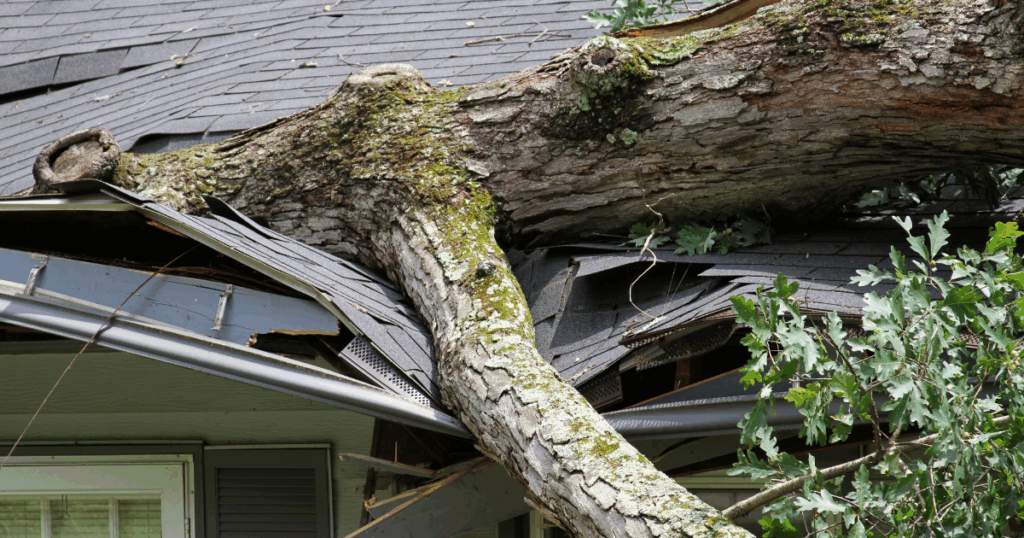
If you go outside after a storm, you may be able to notice visible signs from the ground, such as punctured shingles, crushed gutters, and broken flashing.
Some signs require a professional to find by inspecting your roof. These include cracked decking and compromised underlayment.
Even if there isn’t visible damage, it’s still important to have a professional inspect your roof.
In This Blog:
You’re standing among fallen branches outside your house after a big storm rolled through.
You see a few loose shingles, but nothing that is obviously broken.
Still, you feel the urge to get it checked out. The storm was too big not to worry about hidden damage.
Calling a professional to look at your roof is the smartest thing you can do.
At a minimum, they might fix your loose shingles.
At most, they could find and fix hidden problems before they end up costing you thousands of dollars to repair in the future.
The Visible Signs of Tree Damage
Some types of damage are easy to spot right away. All it takes is using a pair of binoculars.
If you notice these, it’s time to call a professional immediately:
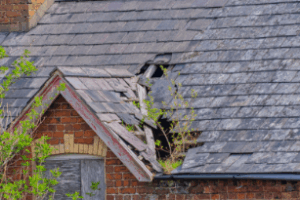
- Punctured shingles: When a branch scrapes or falls hard enough, shingles can crack, split, or tear off completely, leaving your roof vulnerable to leaks.
- Crushed gutters: A heavy limb can bend or collapse gutters, making it impossible for water to drain properly. Left unchecked, this can lead to water pooling around your foundation or ice dams in winter.
- Broken flashing: Flashing around chimneys, skylights, and vents can loosen under impact, giving water a direct path inside.
These issues may look minor compared to a collapsed roof.
However, even “small” visible damage can lead to water infiltration, mold, or insulation problems if not addressed quickly.
The Hidden Damage Homeowners Might Miss
Not all tree-related roof damage announces itself with a visible crack or missing shingle.
Some problems are hidden beneath the surface but can cause just as much trouble, if not more.
Cracked decking
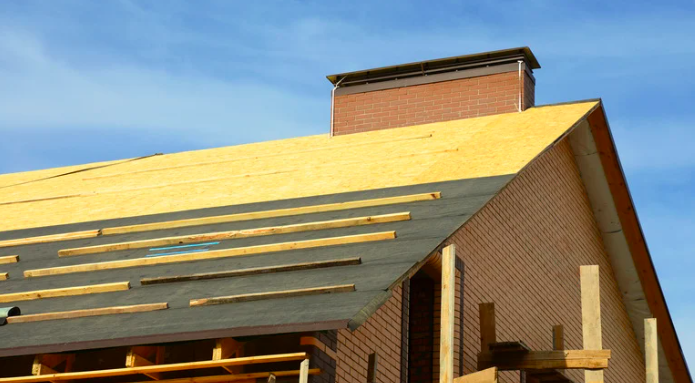
The roof decking (the wooden layer beneath your shingles) can fracture under the weight of a falling branch. Even if the shingles above seem fine, a cracked deck weakens your roof’s structure and reduces its ability to protect your home.
Compromised underlayment
The underlayment is the water-resistant barrier between shingles and decking. When it’s torn or punctured, your roof is at risk for slow leaks that may not show up until you notice stained ceilings or peeling paint inside your home.
Why Quick Action Matters
It’s tempting to wait and see if any problems show up after a storm.
But roof damage never improves on its own.
In fact, waiting often means the difference between a simple repair and a costly replacement.
Acting quickly has three big advantages:
- Prevents water damage: Even a small leak can soak insulation, rot wood, and invite mold.
- Protects structural integrity: Cracked decking or weakened rafters can compromise the strength of your roof over time.
- Saves money: Catching and repairing issues early is almost always less expensive than letting damage progress unchecked.
The Importance of Tree Maintenance
The best defense against tree-related roof damage is prevention.
Regular tree maintenance goes a long way toward keeping your home safe.
- Trim back overhanging branches: Branches that extend over your roof are more likely to break and fall during storms. They can also scrape shingles in high winds, wearing them down faster.
- Remove dead or weakened trees: A tree that’s already struggling is far more likely to shed limbs or topple during extreme weather.
- Schedule seasonal inspections: At least once every two years, especially before winter, have a professional evaluate trees near your home for signs of weakness.
Being proactive now could save you thousands of dollars in repairs later.
Why a Professional Roof Inspection is Essential
It’s smart to schedule a professional inspection after any tree impact, even if you think your roof escaped storm damage.
Roofing experts know what to look for and can uncover issues that aren’t visible from the ground—or even from the roof surface.
During an inspection, a roofing professional will:
- Check for punctured or loose shingles.
- Inspect gutters, flashing, and ventilation systems.
- Examine the decking and underlayment for hidden cracks or punctures.
- Assess whether repairs or a replacement are needed.
Most importantly, a professional inspection gives you peace of mind.
Instead of wondering if your roof is silently failing, you’ll know exactly where you stand and what steps to take next.
Protecting Your Home for the Long Run
Your roof is your home’s first line of defense.
When tree branches fall, the damage isn’t always dramatic, but that doesn’t mean it’s harmless.
By staying proactive, you can protect your roof’s durability, your home’s safety, and your family’s peace of mind.
Contact GP Martini Roofing for a detailed roof inspection starting at $250.

FAQs
How do I know if tree damage has harmed my roof?
Not all roof damage from trees is apparent.
Visible signs include cracked shingles, crushed gutters, or broken flashing.
Hidden issues, like cracked decking or compromised underlayment, can be just as serious.
A professional roofing inspection is the best way to uncover hidden damage before it leads to leaks, mold, or costly repairs.
Can small tree branches really damage my roof?
Yes, even smaller branches can cause significant damage over time.
They may scrape shingles in windy weather, loosen flashing, or puncture the protective underlayment.
These seemingly minor issues can create entry points for water, leading to leaks and structural problems.
Regular trimming of overhanging branches is one of the best ways to prevent roof damage.
Why should I schedule a roof inspection after a tree impact?
A roof inspection ensures hidden damage doesn’t go unnoticed.
While your roof may look fine from the ground, impacts can weaken the decking or tear the underlayment beneath the shingles.
Professional inspections catch these issues early, protecting your home from water damage and saving you from expensive long-term repairs.
What can I do to prevent tree damage on my roof?
Regularly trimming overhanging limbs, removing dead trees, and scheduling inspections every once in a while can help!
Together, these reduce the chance of branches falling or scraping your roof during storms, and from any potential damage to remain hidden.