Prompt Inspections Make or Break Your Roofing Claim

What You’ll Learn
Is it important to get my roof inspected quickly after a storm?
Roof inspection is always important after a storm, especially if you see any damage.
Hidden or minimal damage can add up or get worse over time.
If you don’t file a claim within a certain window, your insurance adjuster can try to argue that the damage isn’t from the storm at all.
In This Blog:
You’re standing in your driveway surrounded by fallen branches.
You can see with your binoculars that one of the larger branches punctured a small hole in your roof.
The damage is confined to the outside of the house, for now.
It might feel overwhelming, but you can’t push this problem to the side.
If you don’t get it inspected within your insurance policy’s specified time, you’re out of luck when it comes to financial help for the repairs.
The Hidden Cost of Waiting
Every day you wait to file an insurance claim after storm damage, you run the risk of three costly outcomes.
Denied Coverage
Most policies require damage to be reported within a short window, sometimes as low as two weeks.
If you miss that deadline, your insurer may argue that you failed to uphold your responsibilities as a homeowner, leaving you with no financial help.
Reduced Payouts
Delays give insurance adjusters an opportunity to argue that the issue was due to neglect or that it existed before the storm.
That interpretation can dramatically reduce how much of your repair costs are covered.
Worsening Damage
Even minor roof issues can spiral into major problems.
- Missing shingles: Even one or two missing shingles create an open pathway for water. Over time, moisture can rot the wood beneath and spread far beyond the original damage.
- Small leaks: A drip in the attic may not seem urgent, but leaks rarely stay contained. Water travels, and by the time you see stains on your ceiling, the damage is already widespread.
- Damaged flashing: Flashing protects the seams and edges of your roof. When bent or dented, it allows water intrusion at some of the roof’s weakest points, such as chimneys, vents, and skylights.
What seems minor now can become the reason your roof fails sooner than expected.
The faster you get a professional inspection, the more likely your insurance will cover repairs before they snowball.
The Dangers of Unseen Damage
The most concerning storm damage is often the kind you can’t see from the ground. A quick walk around your property won’t reveal:
- Cracked decking hidden beneath shingles
- Punctured underlayment from hail or debris
- Granule loss that accelerates shingle deterioration
- Loosened seals that allow slow leaks to form
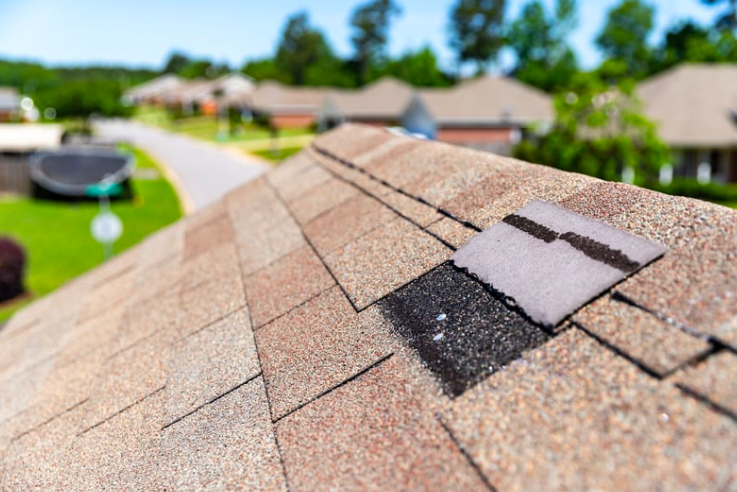
These hidden problems may take weeks or months to reveal themselves, usually when water stains, mold, or structural issues appear inside your home.
This is where a roofing contractor plays a vital role, not just in fixing your roof, but in protecting your insurance claim.
Never climb on your own roof to assess storm damage.
Instead, rely on a qualified roofing professional who can:
- Identify all damage, both visible and hidden, that an untrained eye would miss.
- Document issues thoroughly, with photos and written reports that show the extent of storm-related damage.
- Provide estimates that reflect the true cost of repairs, not just a quick patch job.
- Support your insurance claim by supplying the evidence adjusters require to process coverage fairly.
Think of your contractor as both your roof’s advocate and your insurance partner.
Without proper documentation, you risk adjusters minimizing the damage or refusing coverage altogether.
The Clock Starts After the Last Raindrop
Storm season can be unpredictable, but your response doesn’t have to be. Here’s what to do immediately after severe weather hits your area:
- Document what you can: Take photos of your property from the ground, including shingles, gutters, siding, and any fallen branches.
- Call a professional roofing contractor: Schedule an inspection as soon as possible. Don’t rely on a quick visual check from your yard.
- Notify your insurance company: Start the claim process promptly and let them know you’re working with a licensed contractor for inspection and documentation.
- Follow through quickly: The sooner you act, the smoother the process—and the greater your chances of full coverage.
The worst thing that you can do is attempt to clean up or repair the area on your own.
Documentation is important, but leave the damage site as is and let a professional take care of it.
That way, your insurance won’t have the chance to reduce your payout or refuse your claim.
Protect Your Home and Your Budget
Your roof is too important and expensive to gamble with.
Delays in inspections and claims don’t just risk your coverage.
They risk the safety, comfort, and long-term value of your home.
Even if the damage looks minor, don’t wait.
Contact GP Martini Roofing to stay on top of the damage and get what you deserve from your insurance claim.

FAQs
How long do I have to file a roofing insurance claim after storm damage?
Most insurance policies require homeowners to report roof damage within 30 days of a storm.
Waiting longer can result in denied coverage or reduced payouts, as insurers may argue the damage was caused by neglect or pre-existing issues.
Always check your policy and schedule a professional inspection immediately after severe weather.
Why should I file an insurance claim for minor roof damage?
Even minor issues like missing shingles, small leaks, or bent flashing can lead to major problems if left untreated.
Insurance companies expect homeowners to act quickly.
Filing a claim right away helps ensure coverage, prevents damage from worsening, and protects you from paying out of pocket for what started as a seemingly small repair.
How does a roofing contractor help with my insurance claim?
A professional roofing contractor provides detailed documentation, including photos, inspection reports, and repair estimates.
This evidence is essential for insurance adjusters to approve your claim.
Contractors also identify hidden storm damage homeowners often miss, helping you secure fair coverage and avoid costly out-of-pocket repairs later.
Quick inspections protect both your roof and your claim.