Understanding R-Value in Siding
What You’ll Learn
What is R-value, and why does it matter for my siding?
R-value measures how well a material resists heat transfer, which directly affects your home’s overall insulation performance.
When it comes to siding, a higher R-value can help reduce energy loss, improve indoor comfort, and lower heating and cooling costs throughout the year.
In This Blog:
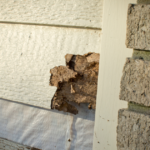
Your siding is stained in some places and warped in others.
It’s more than time for a replacement.
You’ve researched for hours and sorted through piles of roofing jargon, the main one being “R-value.”
If you’re like most homeowners, your eyes may have glazed over the moment you saw it.
Between product brochures, contractor quotes, and online research, that’s understandable.
So let’s break down what R-value is, how it’s measured, and why it matters when choosing siding.
What Exactly Is R-Value?
R-value is simply a measurement of thermal resistance—how well a material slows down heat transfer.
The higher the R-value, the better the material is at insulating.
Think of it as your home’s ability to hold onto conditioned air:
- In winter, a good R-value helps keep warm air inside.
- In summer, it helps keep hot air out.
Every part of your home—walls, windows, attic, doors, and siding—has an R-value that contributes to your overall insulation performance.
How Is R-Value Measured?
R-value is measured using a standardized test that determines how much heat can pass through a material.
The number depends on:
- Material type (vinyl, wood, fiber cement, foam, etc.)
- Thickness
- Density
- Construction method
Most exterior siding materials have relatively modest R-values on their own because the bulk of a home’s insulation comes from what’s behind the walls. But siding still plays a meaningful role—especially when it includes insulation.
How Siding Contributes to Overall Home Insulation
While siding isn’t your home’s primary insulation system, it plays a key role in:
- Reducing air leakage: Cracks, gaps, and seams in poorly installed siding lead to noticeable drafts. Insulated siding helps tighten the exterior envelope.
- Boosting total wall R-value: Even adding an extra R-2 to R-3 across the entire home can noticeably reduce energy usage.
- Reducing thermal bridging: Thermal bridging happens when heat travels through studs rather than insulation. A continuous layer of insulated siding can help offset this energy loss.
- Improving indoor comfort: A better-insulated wall means fewer cold spots and more consistent temperatures from room to room.
Typical R-Values for Common Siding Materials
To understand how siding compares, here are the typical R-values for common options:
Vinyl Siding
R-value: ~0.6 – 0.9
Standard vinyl siding offers minimal insulation on its own. Its energy benefits come mostly from being part of a well-sealed exterior system.
Insulated Vinyl Siding
R-value: ~2.0 – 3.5
A significant improvement. This is often enough to make a real impact on your home’s energy efficiency and comfort levels. It’s one of the best-performing siding materials from an insulation standpoint.
Fiber Cement Siding (e.g., HardiePlank)
R-value: ~0.35 – 0.65
Fiber cement siding is extremely durable but offers very little insulation. Many homeowners pair it with foam board or house wrap to improve performance.
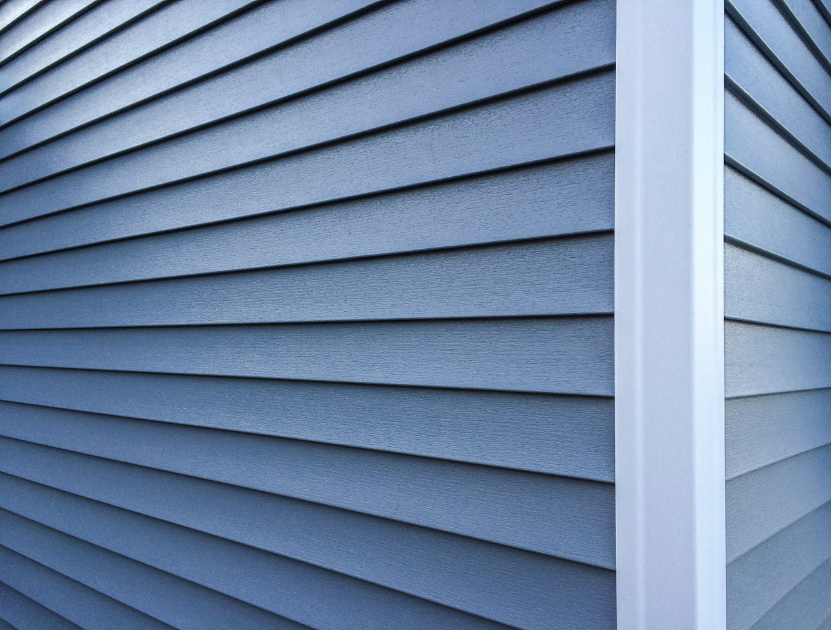
Wood Siding
R-value: ~0.8 – 1.0
Wood naturally insulates better than vinyl or fiber cement, but it requires more maintenance and is not as consistent in performance over time.
Does Higher R-Value Always Mean Better Siding?
Not necessarily.
A common misconception is that you should always choose the siding with the highest R-value. While insulation performance is important, siding needs to strike the right balance between:
- Climate conditions
- Home age and construction
- Moisture management
- Durability
- Maintenance
- Aesthetics
- Budget
- Local building codes
For example:
In warmer climates, extremely high R-value siding may not return enough energy savings to justify the extra cost.
In colder regions, a moderate upgrade in R-value can significantly reduce heating bills.
If your home already has strong wall insulation (R-13, R-15, R-19), you may not need high-performance insulated siding.
If your walls lack insulation—which is common in older homes—insulated siding can make a major difference.
The “best” R-value depends on your home’s actual needs, which is why a professional evaluation is so important.
What’s the Right Choice for Pennsylvania Homeowners?
Pennsylvania experiences four true seasons, with cold winters, humid summers, and significant temperature swings—making balanced insulation performance especially important.
For most PA homeowners, insulated vinyl siding often provides the best value. It adds meaningful R-value, helps reduce drafts, and performs well in both winter and summer conditions without the higher cost of specialty siding systems.
Homeowners in older PA homes, which often lack modern wall insulation, can see particularly great improvements in comfort and energy savings.
Meanwhile, newer homes with solid existing insulation may benefit from insulated siding for its added efficiency and durability, even if maximum R-value isn’t required.
How R-Value Impacts Heating & Cooling Costs
Here’s where you will see real benefits.
1. Lower Energy Bills
The U.S. Department of Energy estimates that exterior wall insulation improvements can cut heating and cooling costs by 10–20% depending on climate.
Increasing your wall system R-value with insulated siding helps:
- Reduce heat loss in winter
- Limit heat gain in summer
- Decrease the workload on your HVAC system
Even small improvements compound over the years.
2. More Even Temperatures Throughout the Home
Homes with low wall R-values often experience:
- Cold drafts
- Hot or cold spots
- Rooms that struggle to maintain temperature
Boosting your exterior insulation helps maintain consistent temperatures and reduces the issues homeowners commonly complain about.
3. Less HVAC Wear and Tear
Better insulation means:
- HVAC cycles less frequently
- Systems last longer
- Fewer repairs over time
Energy efficiency isn’t just about bills—it’s about long-term savings on mechanical equipment.
Why Professional Recommendations Matter When Choosing Siding
Choosing siding isn’t just a color or style choice—it’s a performance decision.
Because R-value is only one part of that decision, professional guidance ensures your home gets exactly what it needs.
A professional siding contractor like GP Martini Roofing can evaluate:
- Your current wall insulation
- Local climate requirements
- Your home’s age and construction style
- Moisture risks
- Your energy-efficiency goals
- Product options and long-term durability
- Your budget
- Your desired look and feel
This approach makes sure you’re not just choosing beautiful siding—you’re choosing siding that performs well over the lifetime of your home.
Get the Right R-Value for Your Home
R-value is a simple measurement, but it has a big impact.
If you’re considering insulated siding or simply want to understand which siding option works best for your home, GP Martini Roofing is here to help.
Contact GP Martini Roofing today for a free siding estimate and get expert guidance on choosing siding that looks great and performs even better.
FAQs
What is insulated siding, and how does it improve home efficiency?
Insulated siding is vinyl siding backed with rigid foam insulation.
It boosts your home’s R-value, reduces heat transfer, and helps eliminate drafts.
Homeowners often choose insulated siding to lower energy bills, increase comfort, and enhance durability compared to standard vinyl siding.
How does siding R-value affect heating and cooling costs?
Siding with a higher R-value slows heat loss in winter and heat gain in summer, reducing the workload on your HVAC system.
This can lead to lower monthly energy bills and more consistent indoor temperatures.
Even a small increase in R-value across the entire exterior can produce long-term savings.
Is a higher R-value always better when choosing siding?
Not always. While a higher R-value improves insulation, the best choice depends on your climate, existing wall insulation, and overall home performance.
In some regions, extremely high R-values provide minimal added benefit.
A professional evaluation helps determine what level of insulation actually meets your home’s needs.
How much insulation does standard vinyl, wood, or fiber cement siding provide?
Most siding materials offer modest insulation on their own. Vinyl and fiber cement provide less than R-1, while wood offers around R-1.
These values are small compared to what’s inside your walls, but siding still contributes to overall comfort, air tightness, and long-term energy performance.
Can upgrading siding increase my home’s value?
Yes. New siding improves curb appeal, reduces maintenance issues, and can improve energy efficiency—features that buyers increasingly prioritize.
Homes with modern, high-performance siding often attract more interest and higher offers, especially when paired with professional installation and warranties that assure long-term durability.