Types of Roofing Materials for Different House Styles in Eastern PA

What You’ll Learn
Why does roof style matter as much as roofing material—especially on East Coast homes?
Pennsylvania homes reflect centuries of architectural history, and the right roof shape and material can enhance curb appeal, protect against harsh weather, and preserve the character of your home.
Choosing the wrong roof style can disrupt proportions, reduce performance in snow and wind, and even hurt resale value.
In This Blog:
Drive down almost any road in Pennsylvania, and you’ll spot three centuries of architecture without trying.
A brick Colonial sits next to a Victorian with a steep, ornate roofline.
A low-slung ranch backs up to a string of cookie-cutter Craftsman homes with wide overhangs.
A modern home with clean lines stands just a few streets away from a stone farmhouse that’s been there for generations.
What many homeowners don’t notice are the various roof shapes, pitches, and materials.
Why Roof Style Matters on East Coast Homes
On the East Coast, roofs do more than keep rain out.
They define a home’s silhouette, protect against snow and wind, and reflect architectural traditions dating back hundreds of years.
Pennsylvania homes face:
- Heavy rain and snowfall
- Freeze-thaw cycles
- Strong seasonal winds
- Occasional hail
Because of this, roof design and material choice aren’t just aesthetic decisions; they directly affect durability, energy efficiency, and long-term performance.
Common Roof Shapes That Work Well in Pennsylvania
Before diving into house styles, it helps to understand the roof shapes you’ll see most often:
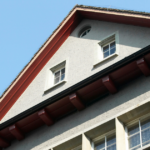
- Gable Roof: Two sloping sides that meet at a ridge. Excellent for shedding snow and rain.
- Hip Roof: Slopes on all four sides. More wind-resistant and stable in storms.
- Gambrel Roof: Two slopes per side, often seen on barns and Colonial homes.
- Mansard Roof: Steep lower slope with a flatter top, common in historic designs.
- Low-Slope/Flat Roof: Found on contemporary homes; requires specialized materials for drainage.
How Pennsylvania Weather Influences Roof Design
Pennsylvania’s climate favors:
- Steeper pitches for snow shedding
- Durable materials that resist moisture intrusion
- Proper ventilation to prevent ice dams
- High-quality flashing to handle rain and freeze-thaw cycles
A roof that looks great but ignores climate realities will fail sooner, no matter how good it looks on day one.
Historic Pennsylvania Home Styles and Their Ideal Roofs
Colonial & Georgian Homes
Colonial and Georgian homes rely on symmetry and proportion.
Simple side-gable or hip roofs complement the clean lines and balanced facades.
In Pennsylvania’s climate, moderate roof pitches help shed snow while maintaining historical accuracy.
Best roofing materials:
- Metal roofing
- Architectural asphalt shingles
- Wood-look synthetic shingles
- Slate (or synthetic slate)
Federal-Style Homes
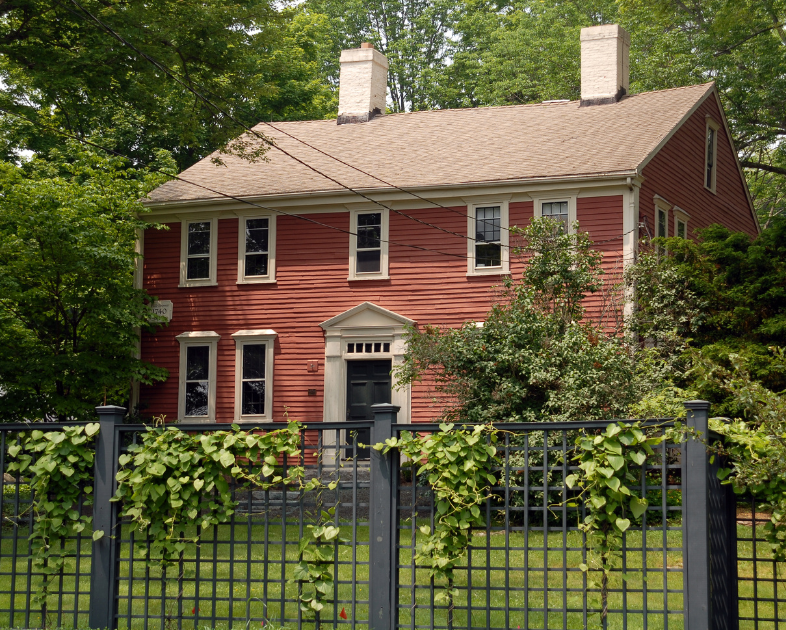
Federal homes often feature flatter rooflines and elegant detailing, such as low-pitched side gables or hip roofs.
Standing seam metal performs especially well here, offering excellent snow shedding and long-term durability without compromising the home’s refined appearance.
Best roofing materials:
- Slate
- Standing seam metal
- High-quality asphalt shingles
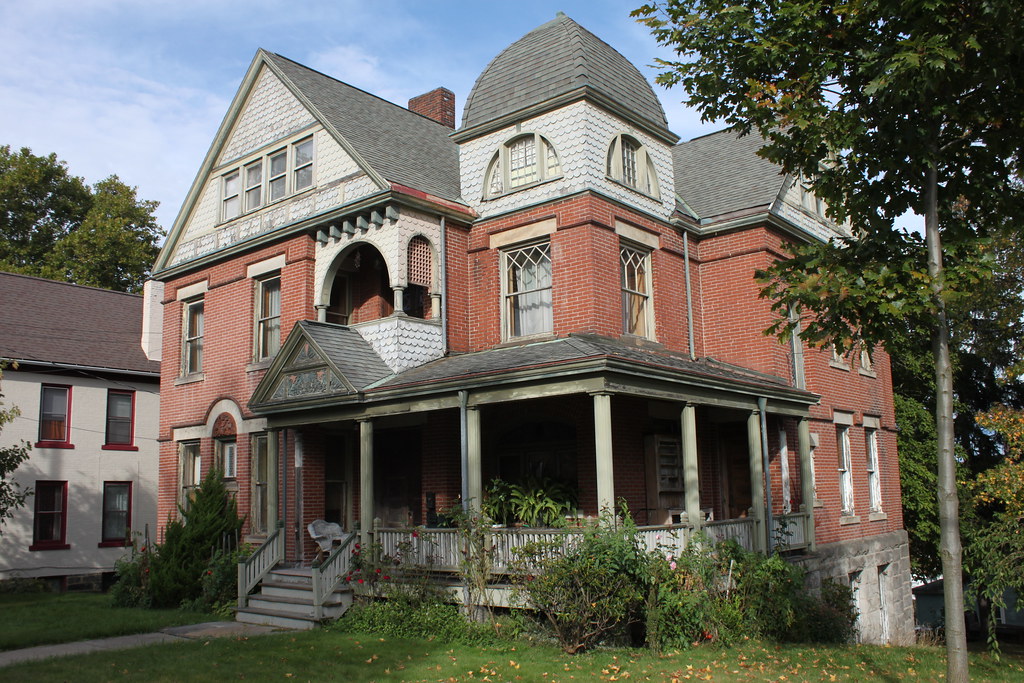
Victorian Homes
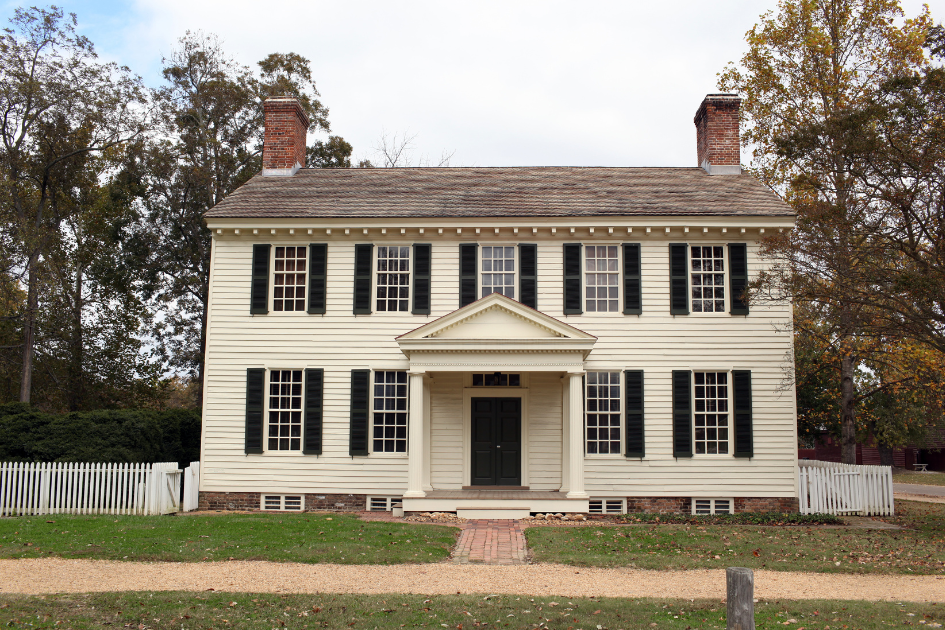
Victorian homes with steep cross-gables, turrets, and complex rooflines demand roofing materials that can handle complex shapes.
Steep pitches shed snow well, but valleys and transitions must be detailed correctly to prevent ice dams during Pennsylvania winters.
Best roofing materials:
- Slate or synthetic slate
- Architectural shingles with texture
- Standing seam metal accents
Popular and More Recent Home Styles
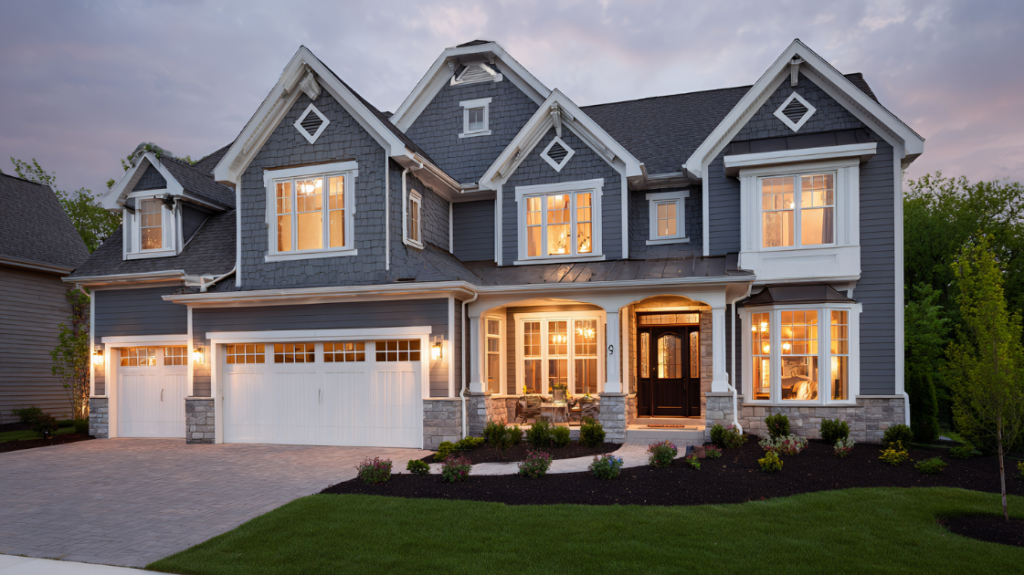
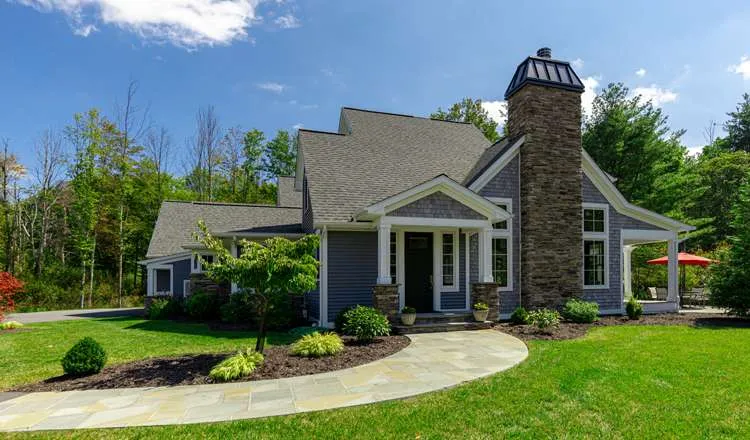
Craftsman Homes
Craftsman roofs often have low-pitched gable roofs with wide overhangs. These shapes need materials that highlight texture and craftsmanship.
Wider eaves require proper ventilation to avoid moisture issues in humid Pennsylvania summers.
Best roofing materials:
- Architectural shingles
- Wood-look composite shingles
- Standing seam metal (accent or full roof)
Ranch Homes
Ranch homes typically feature low-slope gable or hip roofs, which makes efficient water runoff and snow management especially important.
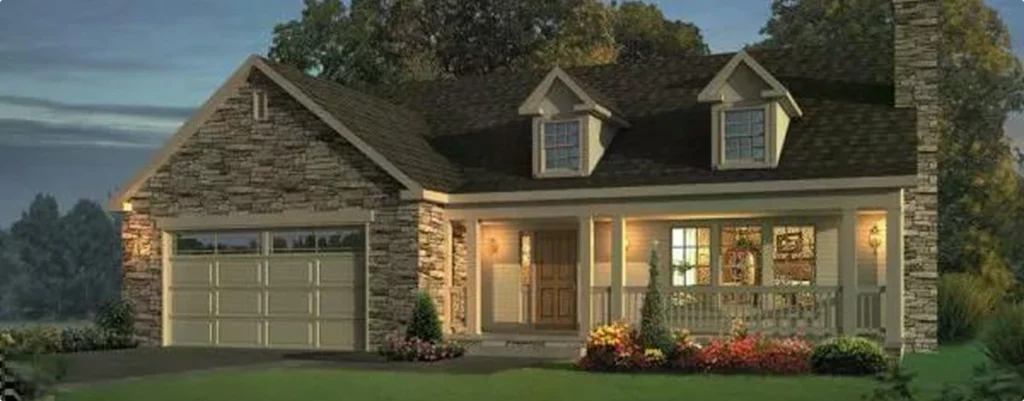
Metal roofing performs especially well for ranch homes due to its strength, durability, and snow-shedding performance, which exceeds that of many traditional materials.
Because the pitch is lower, roofing materials must perform well under snow load and resist moisture buildup.
Best roofing materials:
- Architectural shingles
- Standing seam metal
Tudor Homes
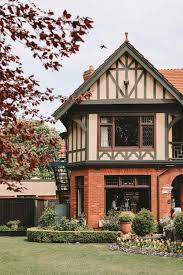
Tudor homes are known for their steep gables and cross gables, which create a dramatic roofline and help shed snow efficiently during Pennsylvania winters.
These roofs benefit from durable materials that can handle long slopes, heavy runoff, and frequent freeze-thaw cycles while still complementing the home’s distinctive, historic character.
Best roofing materials:
- Slate or synthetic slate
- Architectural shingles with deep shadow lines
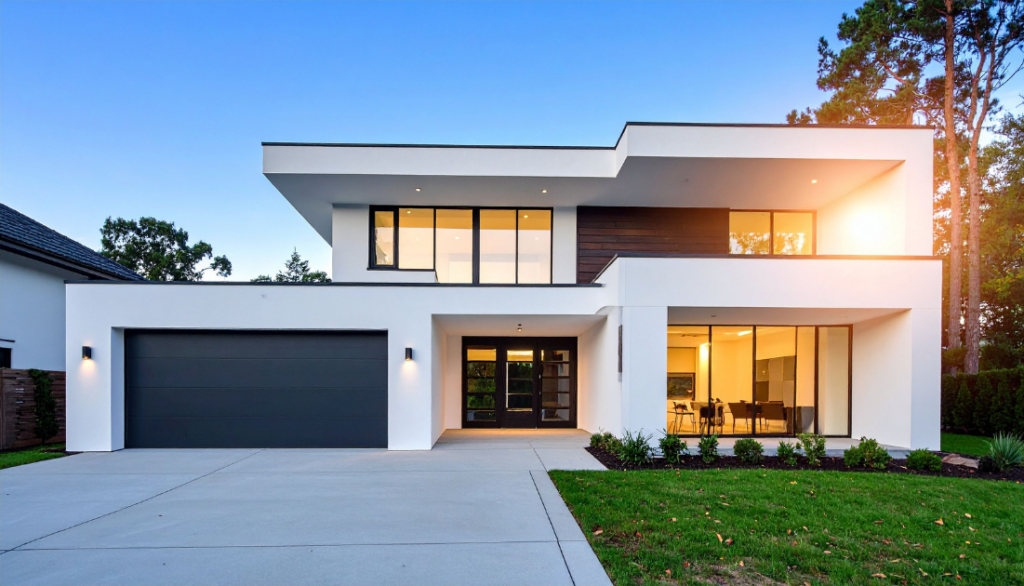
Contemporary Homes
Modern homes often feature unique looks, including flat, low-slope roofs and asymmetrical designs. These require roofing systems engineered for drainage and thermal performance.
Pennsylvania’s freeze-thaw cycles make proper material selection and installation especially critical on low-slope roofs.
Best roofing materials:
- Standing seam metal
- Single-ply membranes
- Specialized flat-roof systems
Choosing the Right Roof for Your Home
The best roof balances:
- Architectural style
- Local climate
- Long-term durability
- Maintenance expectations
- Budget
A professional roofer familiar with Pennsylvania architecture can help you choose materials and designs that protect your home while preserving its character.
Contact GP Martini Roofing for a Free Estimate
Whether you own a historic Colonial or a modern contemporary home, the right roof makes all the difference in performance, appearance, and value.
Our team understands Pennsylvania homes, weather, and architectural details.
We’ll help you choose a roofing system that fits your home perfectly.
Contact us today for a free estimate on your perfect roof.
FAQs
Can I change my roof style when replacing my roof?
Sometimes, but not always. Minor changes—such as switching materials or adjusting ventilation—are usually feasible. Major changes to roof shape (for example, converting a hip roof to a gable roof) typically require structural modifications, permits, and higher costs. A professional evaluation is essential before considering any major roof-style changes.
What roof styles work best in Pennsylvania’s climate?
Gable and hip roofs tend to perform best in Pennsylvania because they shed snow and water efficiently. Steeper pitches help reduce snow load, while hip roofs offer better wind resistance. Low-slope roofs can work, but they require specialized materials and careful drainage design to handle freeze-thaw cycles.
Are historic homes limited to traditional roofing materials?
Not necessarily. Many historic Pennsylvania homes can use modern materials—like architectural shingles, synthetic slate, or standing seam metal—that closely match traditional appearances while offering better durability and weather resistance. The key is choosing materials that respect the home’s proportions and character.
Does roof material matter as much as roof shape?
Yes. Roof shape controls how water and snow move, while material determines durability, lifespan, and maintenance needs. A well-designed roof shape paired with the wrong material can still fail prematurely, especially in Pennsylvania’s wet, seasonal climate.
How do I know what roof is right for my home?
The best approach is a professional evaluation that considers your home’s architectural style, roof pitch, exposure to wind and snow, and long-term goals. A contractor familiar with Pennsylvania homes can help you choose a roof that looks right and performs well for decades.