Rattling Siding: Why Your Siding Is Making Noise During Windstorms
What You’ll Learn
Why does my siding rattle or make noise during windstorms, and is it something to worry about?
If your siding is making noise when the wind picks up, it’s usually a sign that something isn’t quite right. While it may seem minor at first, rattling siding often points to installation issues, loose panels, or underlying structural gaps that can lead to bigger problems over time.
In This Blog:
Jen assumed the rattling was normal.
The wind picked up, and somewhere along the side of her house, she heard it…a rattling sound that wasn’t there before.
She figured it was just part of living in a windy area.
After all, it’s the outside of the house, of course, it’s going to move a little. Every house has its creaks and squeaks, she thought.
She didn’t know that it was her siding, and that it wasn’t supposed to sound like that.
It wasn’t until a small stain started seeping in near the corner of a window that she started to connect the dots.
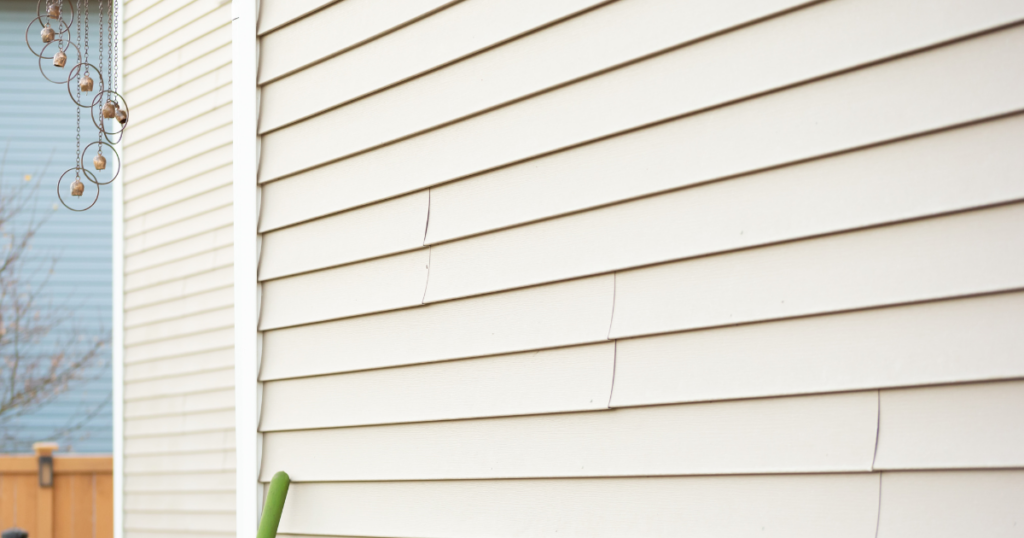
The noise wasn’t just movement. It was a sign that sections of her siding weren’t sealed or secured the way they should be, just enough for wind and moisture to find their way in.
Why Siding Shouldn’t Make Noise in the Wind
Siding is designed to withstand wind, temperature fluctuations, and everyday environmental stressors. While certain materials—especially vinyl—are meant to expand and contract slightly, they should remain secure enough that you don’t hear them.
If the siding is making noticeable noise, it usually means the panels are moving more than they should.
That movement is often a sign of improper fastening, lack of support, or existing damage.
Wind, believe it or not, doesn’t actually cause the problem—it reveals it.
As wind pressure builds against your home, it pushes and pulls on siding panels. If those panels aren’t properly secured or supported, they flex and shift.
That movement creates the rattling, clicking, or tapping sounds you hear during storms.
In calm conditions, these issues may go unnoticed. Once wind is introduced, the weakness becomes obvious.
The Most Common Causes of Rattling Siding
Rattling siding doesn’t happen randomly—there’s always an underlying cause. In most cases, the issue traces back to how the siding was installed, how it’s supported, or how it has responded to weather over time.
1. Improper Installation (Most Common Cause)
Siding must be installed with precise spacing and fastening techniques. If nails are driven too tightly, too loosely, or placed incorrectly, panels can’t move the way they’re designed to.
Instead of expanding and contracting smoothly, they shift unevenly, producing noise when the wind exerts pressure.
2. Missing or Misaligned Studs
Siding panels are typically fastened to studs behind the wall. If fasteners miss those studs, or if there isn’t adequate backing, the panels lack proper support.
In windy conditions, unsupported sections can flex more than they should, causing movement and noise.
3. Thermal Expansion and Contraction
Vinyl siding expands and contracts with changing temperatures.
If it wasn’t installed with proper spacing, panels may bind in some areas and loosen in others. When wind hits, those stressed panels can shift suddenly, creating clicking or popping sounds.
4. Loose or Damaged Panels
Over time, siding can loosen due to age, weather exposure, or minor storm damage.
Slightly loose panels may not be noticeable on a calm day, but during a windstorm, that movement becomes much more apparent.
How Professionals Fix Rattling Siding
Fixing noisy siding requires more than simply tightening things down. In fact, improper fixes can restrict movement and cause additional damage.
A professional contractor will identify the root cause and apply the appropriate solution.
Securing Panels with Proper Fasteners
In many cases, rattling siding comes down to how the panels are fastened.
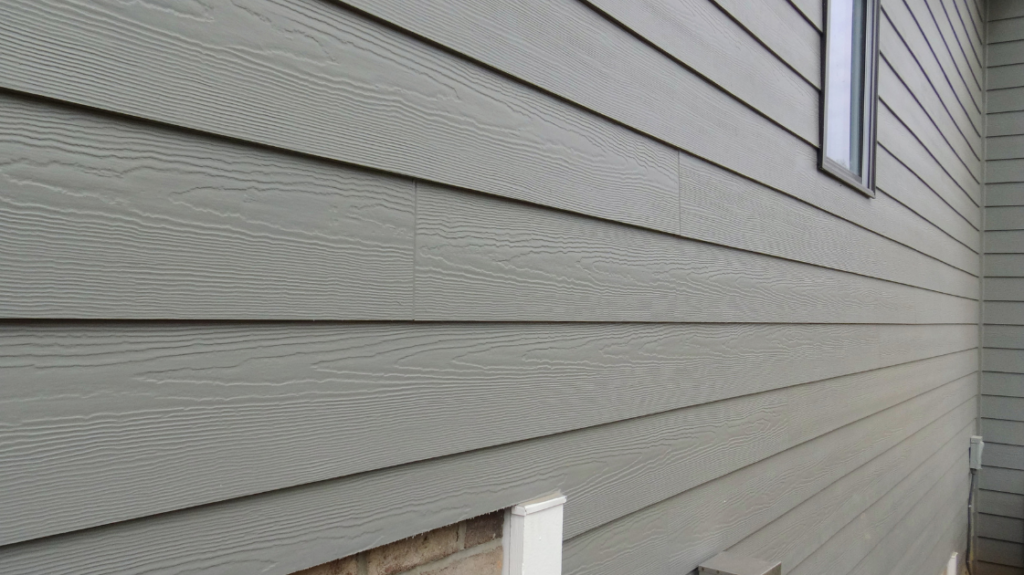
A professional will inspect whether the correct type of fasteners was used, whether they’re properly spaced, and whether they’re anchored into solid backing, such as studs or sheathing.
Loose or improperly placed fasteners are replaced or reinforced so panels sit securely, while still allowing the slight movement siding needs to handle temperature changes without warping.
Adjusting Nail Placement
Siding—especially vinyl—is designed to “hang” rather than be tightly pinned in place.
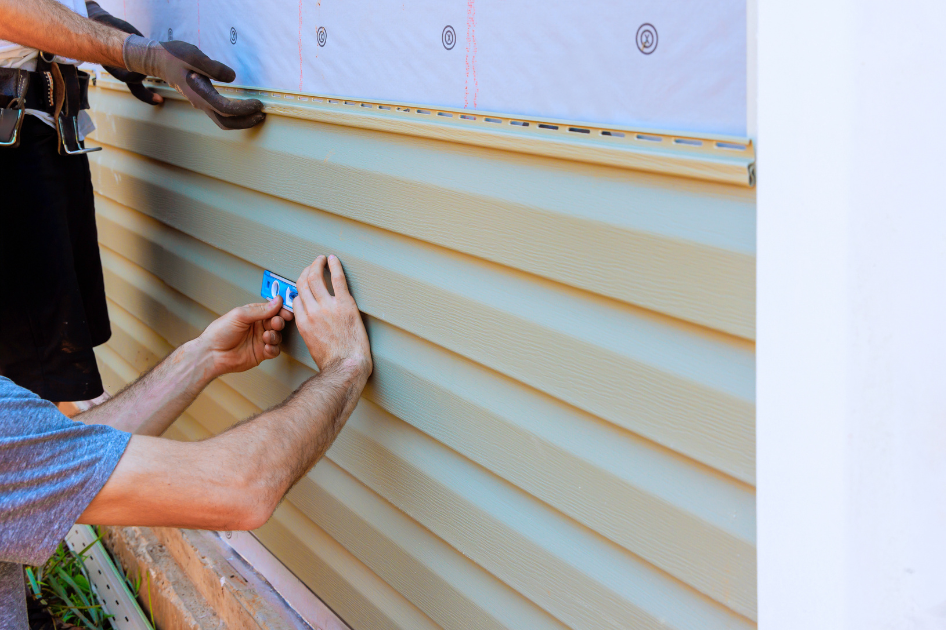
If nails are driven too tightly or placed incorrectly within the nailing slots, panels can’t expand and contract as intended. A contractor may remove and reposition nails, ensuring they’re centered in the slots and not overdriven.
This allows the siding to move naturally with temperature changes while preventing excessive movement that can cause wind noise.
Adding Support or Insulation
If sections of siding lack proper backing, they can flex more than they should under wind pressure.
In these cases, professionals may add structural support or install insulated backing boards behind the panels. This not only stabilizes the siding and reduces movement but also improves energy efficiency and creates a more solid, quieter exterior overall.
Why This Isn’t a DIY Fix
Siding systems are designed with a very specific balance: secure enough to stay in place, but loose enough to move with temperature changes.
Attempting to fix rattling siding without understanding that balance can lead to:
- Warping or buckling panels
- Cracking or damage
- Reduced the lifespan of the siding
- Increased noise over time
Professional repair ensures the problem is fixed correctly without creating new issues.
When to Call a Contractor
You should have your siding inspected if:
- You hear consistent rattling during the wind
- The noise is getting worse over time
- Panels appear loose or misaligned
- Your siding was recently installed and is already making noise
Addressing the issue early can prevent more serious damage and costly repairs later.
Stop the Rattling Before It Becomes a Bigger Problem
Rattling siding is often an early warning sign, not something to ignore.
What starts as a minor annoyance during a windstorm can signal installation issues or structural weaknesses that worsen over time.
Contact GP Martini Roofing for a free estimate. We’ll inspect your siding, identify the cause of the noise, and recommend the right solution to keep your home secure, quiet, and protected.

FAQs
Is it normal for siding to make noise in the wind?
No. While siding is designed to expand and contract, it should not make noticeable rattling or clicking sounds. Noise usually indicates improper installation, loose panels, or structural support issues that should be addressed.
Can wind damage siding over time?
Yes. Repeated wind exposure can loosen improperly installed siding or worsen existing issues. Over time, this can lead to panels detaching, moisture intrusion, or increased wear on the siding system.
Can I fix rattling siding myself?
It’s not recommended. Siding must be installed with precise spacing and fastening to allow movement without causing damage. Improper DIY fixes can lead to warping, cracking, or further loosening of panels.
Will loose siding let water into my home?
It can. Loose or shifting panels may create gaps where wind-driven rain can enter, potentially leading to moisture damage behind the siding.