How Drought Conditions Can Impact Your Roof in Pennsylvania
You live on the East Coast.
You’re used to the humid summers, the seemingly constant showers in the spring, and the ice and snow in the winter.
You don’t worry about dry weather.
Although droughts aren’t a frequent concern in the Keystone State, they can and do happen, and their effects on your home’s roof can be more significant than you might expect.
What You Need to Know.
- Drought Conditions in Pennsylvania: Not Common, But Possible
- How Drought Damages Your Roof
- Why Dry Weather Is the Best Time for Roof Maintenance
- Warning Signs of Heat and Drought Damage
Drought Conditions in Pennsylvania: Not Common, But Possible
It’s true that Pennsylvania isn’t typically associated with drought. Our state experiences all four seasons, with regular rainfall and snow.
But that doesn’t mean we’re immune.
In fact, the Pennsylvania Department of Environmental Protection periodically issues drought watches or warnings, especially in late summer or early fall when rainfall is low, and temperatures are high.
We experienced a burn ban just last fall, remember?
When these drought conditions set in, homeowners are often more concerned about watering their gardens or conserving water than protecting their roofs.
But your roof, especially if it’s older, is quietly taking a beating from the sun and dry air.
How Drought Damages Your Roof
Just like your lawn, trees, or wood deck, roofing materials can dry out, crack, and deteriorate under prolonged heat and dryness. Here’s how drought conditions put your roof at risk:
1. Extreme Heat Dries Out and Damages Shingles
Shingles—especially asphalt shingles—are designed to withstand harsh weather, but they’re not invincible.
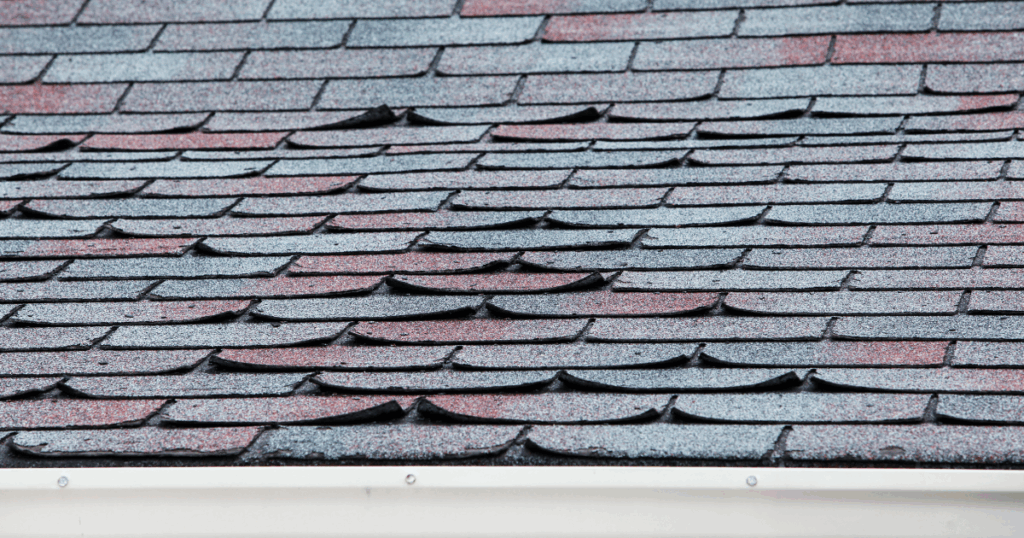
Prolonged exposure to intense sunlight and high temperatures can dry out the oils in the shingles, making them brittle.
When this happens:
- Cracks and curling begin to appear.
- Shingles lose flexibility and become prone to breaking.
- The protective granules on the surface may loosen or fall off.
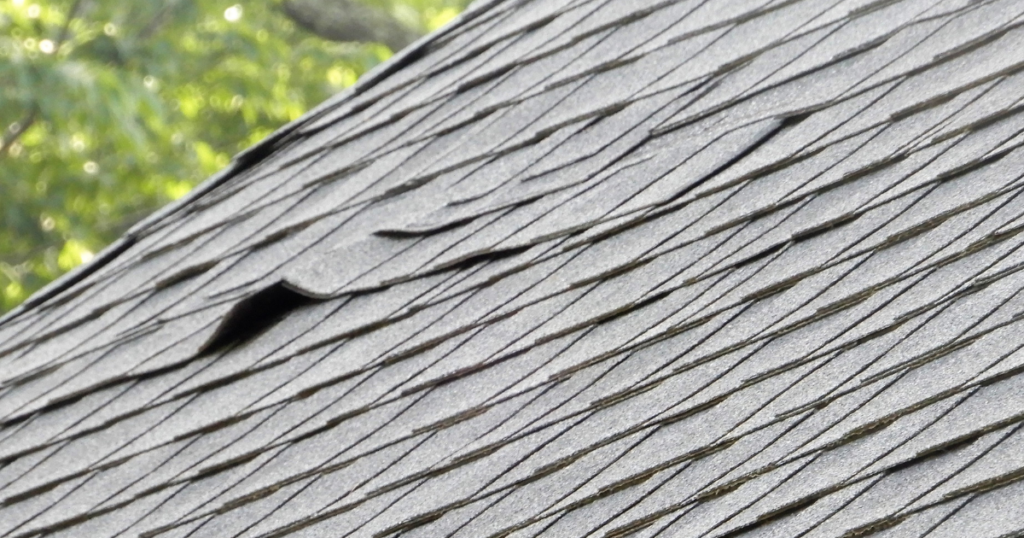
This damage shortens the lifespan of your shingles and compromises their ability to shed water when rain finally returns.
A roof that looks fine today could start leaking after the next storm, simply because it’s been weakened by the sun.
2. Thermal Expansion and Contraction Can Loosen Materials
During a heatwave, your roof experiences wide temperature swings—scorching hot during the day and much cooler at night.
These fluctuations cause roofing materials to expand and contract repeatedly. Over time, this constant movement can:
- Loosen shingles or nails.
- Create small gaps between roofing components.
- Allow flashing to warp or pull away from vents and chimneys.
These gaps might seem small, but they’re perfect entry points for water once the drought ends and the rains return.
They can also invite pests, mold, and even structural issues if left unchecked.
3. Increased Vulnerability to Leaks After the Drought
Ironically, a long period without rain can set your roof up for major water damage later.
When materials are dried out and compromised by the sun, they don’t seal out moisture as effectively. That means:
- The first major rainstorm after a drought is more likely to result in leaks.
- Damaged shingles won’t channel water properly.
- Underlying roof layers may already be weakened, allowing water to seep into your attic or walls.
This is especially dangerous because many homeowners assume their roof is fine if there hasn’t been any rain.
But water damage doesn’t always appear right away—it may show up weeks or months after the initial compromise, often in the form of mold, stained ceilings, or warped wood.
4. Effects on Roofing Support Structures
While much of the damage from drought conditions occurs on the surface, your roof’s support structures—like the decking and rafters—can also be affected.
High heat can cause wood to dry out and contract, which may:
- Lead to minor shifts or warping in the structure.
- Cause nails or fasteners to pop out or loosen.
- Reduce the overall strength of your roof system.
All of this adds up to a roof that is less stable, less watertight, and less protective of your home.
Warning Signs of Heat and Drought Damage
Even if you haven’t noticed any problems yet, it’s a good idea to take a quick look at your roof or schedule an inspection if your area has experienced a heatwave or dry spell.
Take a few minutes to grab your binoculars, go outside, and scan your roof from the safety of the ground.
Watch for:
- Curled or cracked shingles
- Missing granules or bald spots
- Loose flashing or roofing nails
- Visible gaps near vents or chimneys
- Dark patches or uneven texture on the roof
These signs don’t necessarily mean you need a full roof replacement, but they do mean it’s time for professional attention.
Why Dry Weather Is the Best Time for Roof Maintenance
The upside to drought is that it gives you a window of opportunity. When the weather is dry and predictable, it’s much easier—and safer—for roofing professionals to inspect, repair, or replace your roof.
If your roof is already showing signs of wear and tear from drought conditions, scheduling maintenance now can prevent more costly problems down the line.
Some key reasons to act now include:
- Avoiding emergency repairs: Fixing issues before they turn into leaks saves money and reduces stress.
- Faster scheduling: Roofing companies often get backed up after big storms. During dry periods, you’re more likely to get a quick appointment.
- Safer working conditions: Dry roofs are easier to inspect and repair without the added risks of moisture or slippery surfaces.
- Better sealing: New shingles, caulking, and flashing materials adhere more effectively in dry conditions, ensuring a longer-lasting repair.
Schedule a Free Roof Inspection Today
Just because you don’t see dramatic storm damage doesn’t mean your roof is in the clear. Drought conditions can quietly erode your roof’s effectiveness, creating the perfect storm of hidden damage that only becomes obvious once the rain returns.
At GP Martini Roofing, we’ve seen firsthand how Pennsylvania’s changing weather patterns—including unexpected dry spells—can catch homeowners off guard.
That’s why we offer free inspections and honest assessments to help you understand exactly what your roof needs to stay strong and leak-free year-round.
Contact GP Martini Roofing today for a free estimate or roof inspection.

FAQs
1. Can drought conditions really damage my roof, even if it doesn’t rain?
Yes—drought conditions can be harmful due to prolonged exposure to extreme heat and UV rays.
Over time, this can dry out your shingles, cause them to crack or curl, and lead to weakened seals around vents or flashing.
These issues may not cause immediate leaks but can significantly reduce your roof’s lifespan and make it more vulnerable once rain returns.
2. What are the warning signs of heat or drought damage on a roof?
Look for cracked, curled, or brittle shingles, areas where granules are missing, and loose or warped flashing.
You may also notice discolored patches or uneven surfaces. If you spot any of these, it’s a good idea to schedule an inspection before the next storm.
3. How does heat affect older roofs differently than newer ones?
Older roofs are more vulnerable because their materials are already weathered and less flexible.
The extreme expansion and contraction caused by temperature swings during drought conditions can loosen older shingles, nails, and seals more easily, increasing the risk of leaks and structural issues.
5. Is this a good time to schedule roof work if it’s not raining?
Absolutely. Dry conditions provide the safest, most predictable environment for roof inspections and repairs.
Roofing materials also adhere better in warm, dry weather. If you’ve noticed intense heat this season, now’s the ideal time to schedule a check-up before the next storm hits.
 Overcoming HOA Challenges to Deliver Cost-Saving GAF Solar Roofing
- Solar Roofing vs. Traditional Roofing: What Homeowners Should Know
- Siding Warping: Why Your Home’s Shield is Failing and How to Fix It
- Metal Roofing Cost Breakdown: Materials, Labor, and Lifespan
- Siding Problems: How to Spot (and Stop) Damage Before It Starts