Roof Enhancements to Hurricane-Proof Your Roof
What You’ll Learn
What does “hurricane-proof” really mean for Chester County and other PA area homes?
“Hurricane-proof” doesn’t mean invincible—especially in Pennsylvania.
It means making smart choices that lower your risk when the remnants of a storm push heavy rain and gusty winds into Chester County. Get a clear picture of the upgrades that are realistic and actually make an impact in protecting your roof.
In This Blog:
The forecast shifts overnight.
What looked like a distant system is now tracking up the coast.
By morning, tropical-storm-force gusts are ripping across Phoenixville, and sheets of rain are pounding Downingtown.
Your shingles are holding—for now—but the real threat is water pushing under every seam it can find.
This is where a few smart upgrades make the difference between a dry attic and a week of cleanup.
Reality Check: Chester County’s Real Storm Risk
We’re not the Outer Banks. Chester County rarely sees Category 4 or 5 hurricanes.
But the remnants that ride up the coast still deliver the problems roofs hate most:
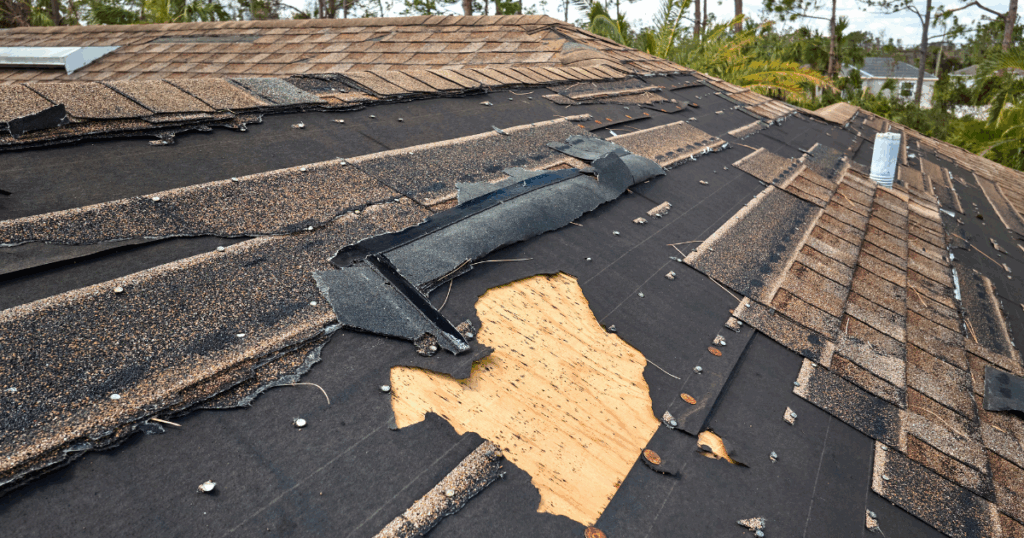
- Prolonged, wind-driven rain that forces water sideways under laps and edges
- Gusts strong enough to tug at poorly fastened shingles and ridge caps
- Overwhelmed gutters that back up water into fascia, soffits, and walls
From Ardmore to King of Prussia to Phoenixville, the roof storm failures tend to be:
- Edge/lap uplift, which leads to water intrusion
- Unsealed deck seams, causing attic leaks when shingles momentarily lift
- Undersized or clogged drainage, creating overflow where you can’t see it
As a Chester County homeowner, you don’t need coastal-code rebuilding, but investing in targeted roof enhancements, like better water management and better uplift resistance, can save you from major and expensive repairs when those tropical winds come our way.
The Core Storm Upgrades That Actually Help
1. Impact-Resistant Shingles (Class 3/4)
Think of impact-rated shingles as the “tougher” version of a familiar product.
They’re designed to stand up better to hail, wind-driven debris, and repeated gust loading. In practice, the rating matters—but so does how they’re installed.
These shingles are far less likely to tear or lift in the places storms tend to attack first, especially when paired with:
- A proper starter course at the eaves and rakes
- A manufacturer-approved six-nail pattern (often with ring-shank nails where appropriate)
- Reinforced ridge caps.
GP Martini Roofing can help you choose a UL 2218 Class 4 option available in a style that matches your home, so you get durability without sacrificing curb appeal.
2. Sealed Roof Deck (SRD)
A sealed roof deck is exactly what it sounds like: taping or sealing every plywood or OSB seam of the decking/sheathing before the underlayment goes down.
During a nasty blow, shingles can momentarily lift, or a tab can break free. If that happens, the sealed deck significantly limits the amount of water that can reach your attic.
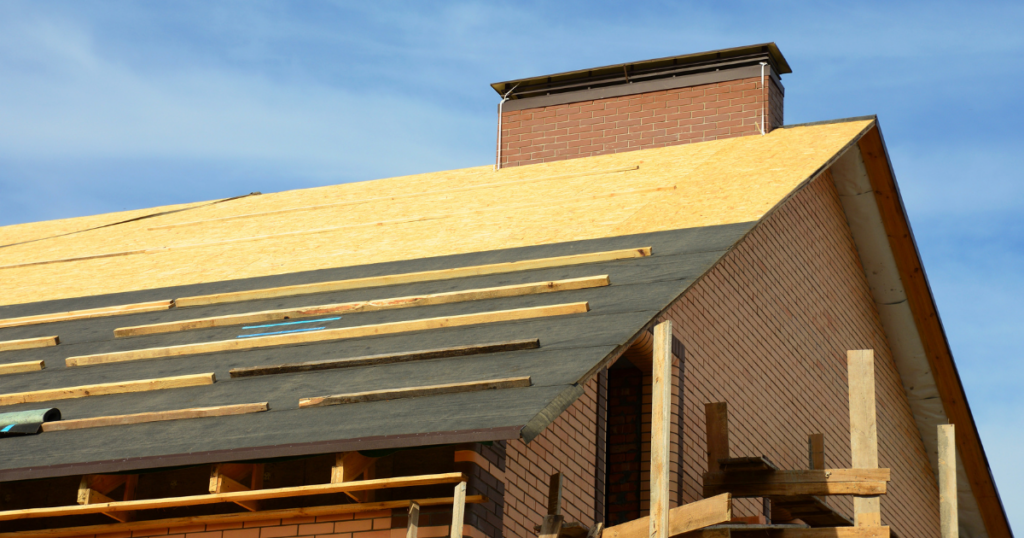
It’s a behind-the-scenes upgrade that can only be done during a replacement or major repair, but it’s one of the best ways to reduce the risk of leaks from wind-driven rain.
3. Secondary Water Barrier (SWB)
A Secondary Water Barrier (SWB) is a peel-and-stick membrane, used either across the entire deck or at high-risk areas. This blocks water from sneaking under the shingles and into the wood.
In Chester County, going beyond the bare minimum pays off—especially in valleys, along rakes and eaves, and around every penetration (vents, stacks, skylights).
If you want maximum resilience, a full-deck SWB pairs beautifully with a sealed deck, so even if shingles lift, water still has a hard time finding a way in.
4. Strong Drainage System (Gutters/Downspouts/Details)
Most interior storm damage starts because water never leaves the roof edge.
Upgrading to six-inch gutters with three-by-four-inch downspouts moves a lot more water, and details like correct pitch, rigid hangers, and sealed miters keep the system performing when it’s raining outside.
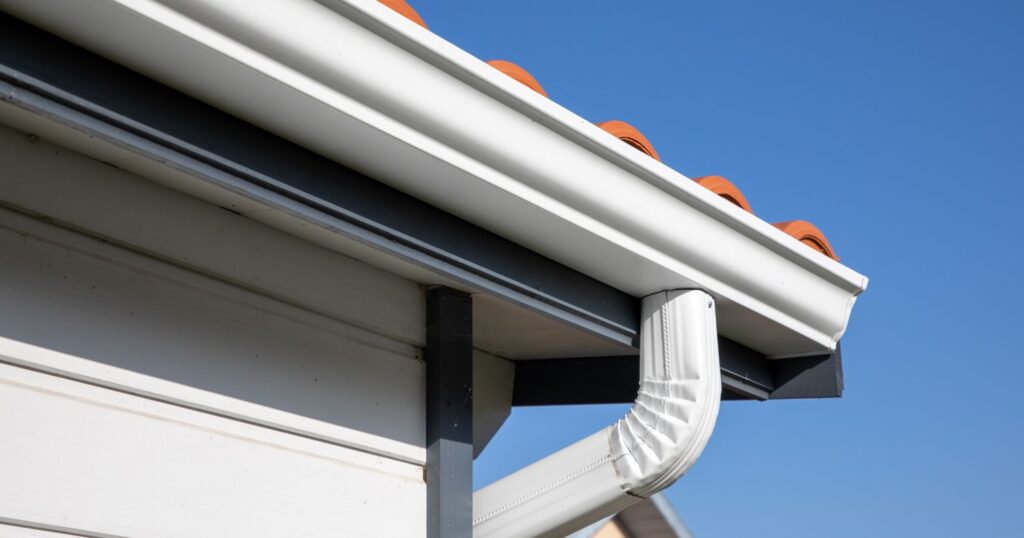
Downspout extensions carry water away from your foundation, and a properly integrated drip edge (installed in the right sequence with underlayment and shingles) helps usher water into the gutter instead of behind it.
Keep the inlets at valleys clear and guarded so they don’t clog in the first heavy band of rain.
Optional Extra Roof Enhancements
Not every home needs every upgrade. But if you’re looking to squeeze out a little more resilience—or you’re already replacing the roof—these add-ons can make a noticeable difference.
Enhanced Edge Protection
The edges of a roof are usually where wind damage starts.
To prevent this, contractors can use a special high-wind starter strip along the bottom (eaves) and sides (rakes) of the roof.
They’ll finish the edges with sturdy trim and seal all the cut-off points carefully. This helps stop wind from getting underneath the roofing system in the first place.
Valley & Flashing Upgrades
Roof valleys handle a huge amount of water during storms, so they need extra protection.
Using open metal valleys or reinforced “W”-style valleys, along with wide ice-and-water barriers, helps keep water flowing safely off the roof.
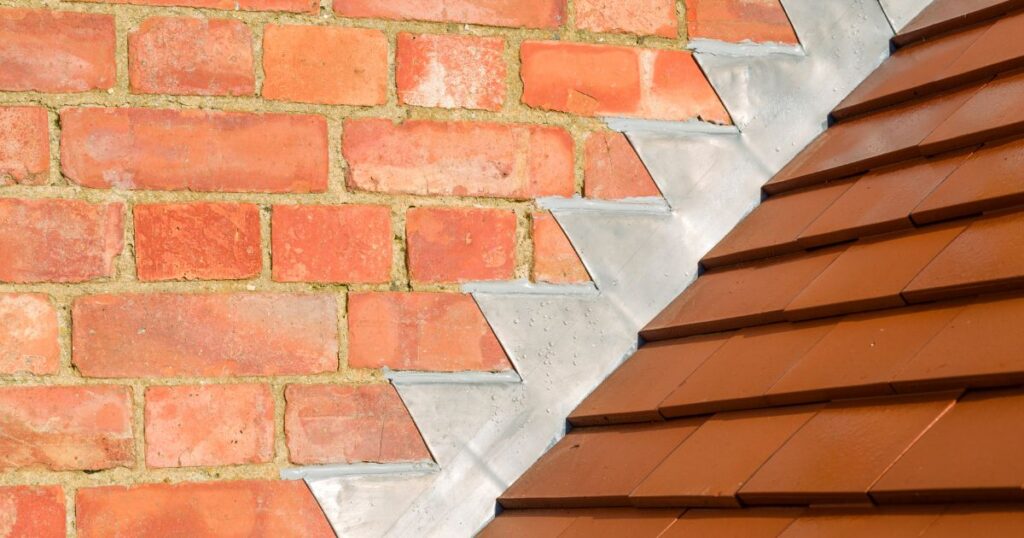
At the walls, you can request “fresh step flashing” and properly installed “kick-out flashing” to guide water away from the siding and prevent it from seeping into the framing behind the walls.
Vent & Penetration Hardening
Low-profile, baffled vents resist driven rain better than older styles, and upgraded pipe boots with snug storm collars protect those little places water loves to test.
Attic Ventilation Balancing
Balanced intake and exhaust keep air flowing in the right direction through your attic.
That reduces pressure differences that can exacerbate uplift, and it helps dry things out if moisture does appear briefly.
Hurricane Straps/Ties
For most Chester County homes, full tie-downs are overkill and hard to retrofit.
They make more sense during a complete replacement when framing is open, or for smaller structures like patio covers and porticos, where strap kits can add meaningful hold-down.
Since this area does not generally experience category 4 storms, investing in them may be unnecessary unless determined otherwise by a contractor.
Before-the-Storm Checklist
A little attention 48–72 hours before the weather turns can save you a lot of stress.
Take these actions before the storm arrives:
- Clear your gutters and downspouts, and make sure the hangers are snug and there aren’t any obvious leaks.
- Sweep or blow leaves and twigs out of roof valleys, and confirm that any guards aren’t choked off at the inlets.
- Trim loose branches that hang over the roof so they don’t become surprise debris.
- Bring in or secure patio furniture, grills, and planters—anything light can become wind-borne.
- Take a quick peek in the attic for old stains or damp insulation you might have missed, and snap a few photos of the roof and exterior. If you ever need to talk to insurance, you’ll be glad you did.
After-the-Storm: What to inspect (and when to call)
From the ground, look for lifted or curled shingle edges, missing tabs, or ridge caps that look cracked or displaced. A pair of binoculars can help you check these details safely without having to climb up.
Check whether debris has piled up in valleys or at downspout outlets—both are signs your drainage system is struggling.
Walk the perimeter and glance at the fascia and soffits for fresh staining, then head into the attic and trust your nose as much as your eyes: musty odors, damp insulation, or new water marks all tell a story.
If anything seems off—even if you’re not sure what you’re seeing—schedule a professional inspection.
Hidden moisture travels quickly, and catching it early is always cheaper than waiting.
Let’s Talk About Your Roof—Contact GP Martini Roofing for a Free Estimate
No roof is truly “hurricane-proof,” but the right upgrades can dramatically lower your risk of leaks and major damage when the next system runs up the coast.
We’ll assess your current roof, explain which improvements make sense for your Chester County home, and help you build a clear, budget-smart plan that boosts storm resilience without overspending.
Contact us today for a free estimate on your roof upgrades.

FAQs
Are impact-resistant shingles worth it in PA?
Yes. Between wind-driven debris and the occasional hail event, impact-rated shingles add durability that you’ll appreciate during storm season.
Pair them with proper starters, nailing patterns, and ridge components, and you get a system that’s tougher where it counts.
What wind rating should I expect for my roof?
Many roofing systems offer enhanced wind warranties when installed to exact specifications.
That means approved accessories, a six-nail pattern, and the correct starters and ridge pieces.
Can you retrofit hurricane ties without a replacement?
Usually not in a meaningful way.
Ties make the most sense during a full replacement when the framing can be accessed. For small structures, such as porticos or patio covers, strap kits may be a feasible option.
Will my insurance discount roof storm upgrades?
Sometimes, particularly for impact-rated shingles. Discounts and requirements vary by carrier, so it’s best to ask yours directly.