Installing New Siding Over Old: Is It Safe or a Risky Shortcut?
What You’ll Learn
Can I install siding over existing siding, or do I need a full tear-off?
In some cases, you can install siding over existing siding if the current material is flat, dry, structurally sound, and free of moisture damage. However, if there are signs of rot, mold, trapped moisture, layered siding, or structural concerns, a full tear-off is usually the safer and smarter long-term solution.
In This Blog:
You’ve finally decided it’s time to replace your siding.
You’ve picked the color. You’ve got a contractor in mind. You’re picturing that fresh, clean exterior.
But then the quote comes in… and there’s a choice you didn’t expect:
Do you tear off the old siding first, or just install the new right over it?
At first, covering it sounds easier. Cheaper. Faster.
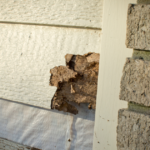
But here’s the thing: we’ve seen what’s hiding behind old siding, and sometimes, it’s not pretty.
That one decision can mean the difference between a smart investment… and expensive repairs down the road.
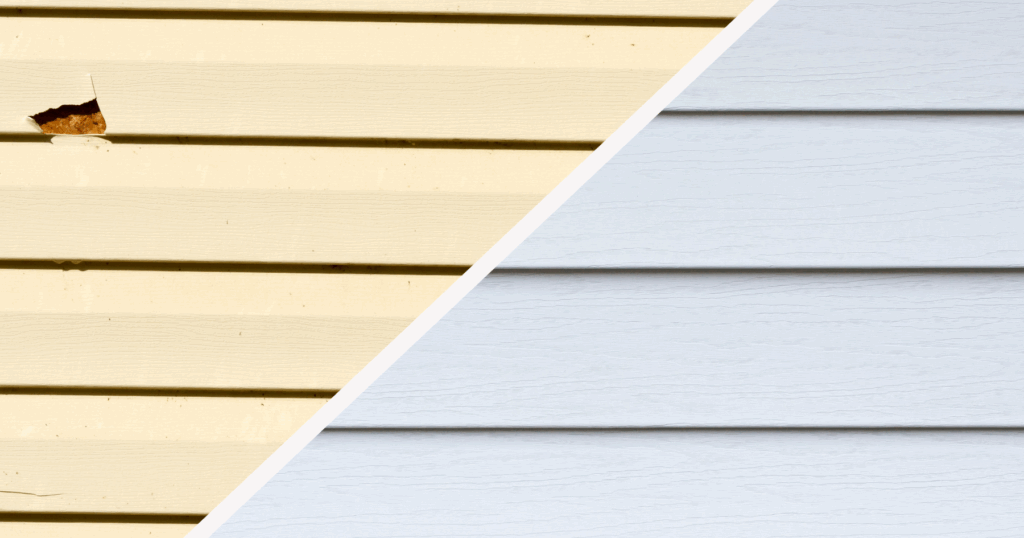
Yes, You Can Put New Siding Over Old, But That Doesn’t Mean You Should
Most building codes allow you to install new siding over existing siding, and on paper, it sounds like a smart way to save money.
You skip demolition. You save on labor. Your home still gets a fresh new look.
But whether it’s advisable depends entirely on the condition and type of siding that’s already there.
In some cases, the existing siding is flat, dry, structurally sound, and undamaged, making it a solid base.
In others, it’s concealing problems that new siding can’t solve and might even make it worse.
When A Tear-Off Is The Safer (And Smarter) Move
The short and easy answer is: if you’re replacing your siding for any other reason than cosmetic, then you almost always need a full tear-off.
At GP Martini Roofing, we often recommend a full tear-off when:
- There are signs of rot, mildew, or pest damage underneath
- The old siding is vinyl or fiber cement, or has it already been covered once before
- You want to add or upgrade wall insulation
- There’s a history of leaks, poor ventilation, or moisture problems
- You want full eligibility for manufacturer warranties and increased resale value
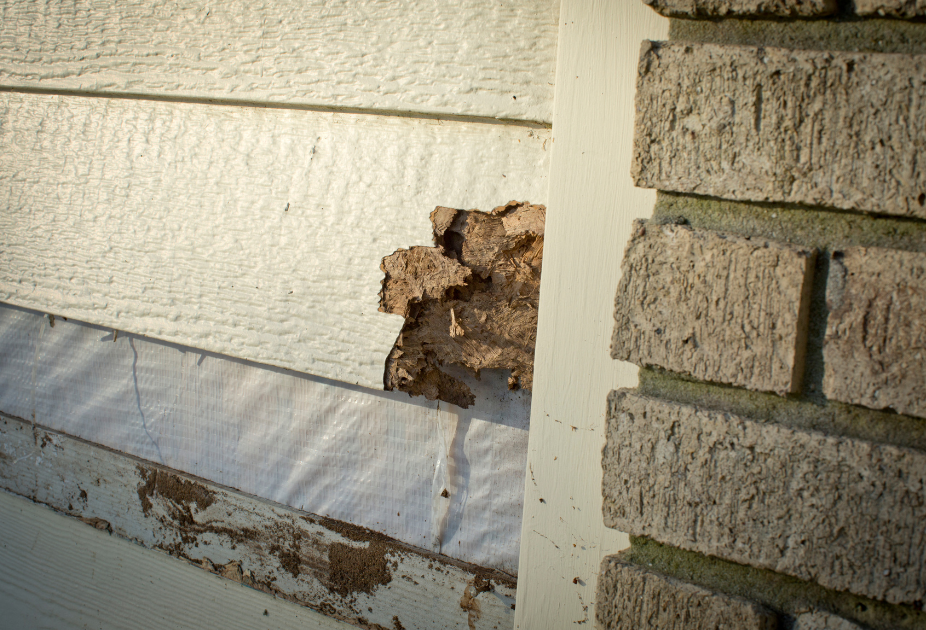
Removing the old siding gives you a clean slate.
It allows your contractor to inspect the wall structure, repair any hidden issues, and install everything correctly, from flashing to house wrap to insulation.
When It’s Safe to Install New Siding Over Old Siding
There are scenarios where it’s okay to skip the tear-off—if the conditions are just right.
You may be able to cover old siding if:
- The existing siding is flat, dry, securely fastened, and damage-free
- The home has no history of moisture issues
- You’re using a reputable contractor who knows how to install proper ventilation and moisture barriers
- You’re not installing over vinyl, fiber cement, or already-layered siding
- Furring strips and house wrap are included in the new installation to manage airflow
Even then, the job has to be done carefully. Cutting corners—such as skipping inspections or moisture control steps—can turn a cost-saving move into a long-term headache.
The Risks of Going Over Old Siding
Even if the old siding looks okay, here’s what could happen when you layer new material on top:
- Trapped Moisture: Without proper ventilation, water vapor can get stuck between layers, leading to rot, mold, and poor indoor air quality.
- Hidden Structural Damage: You may not see soft spots or deteriorating sheathing behind the old siding, but they’re still there—and can worsen over time.
- Uneven Appearance: Bumps, dips, or misaligned panels from the original siding may show through, especially with thinner materials.
- Voided Warranties: Many siding manufacturers won’t honor warranties if their product is installed over old siding.
- Weight Issues: Multiple layers can put unnecessary strain on your home’s framing.
What a Good Contractor Will Do Before Deciding
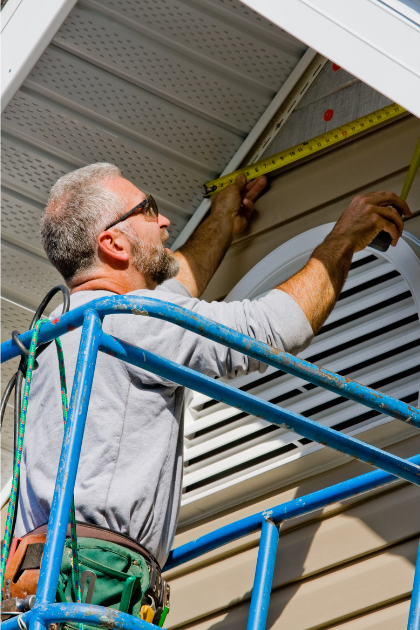
Don’t make this decision alone, and don’t let your contractor make it up as they go. Before recommending either option, a qualified siding professional should:
- Conduct a detailed inspection of the existing siding and wall sheathing
- Look for hidden moisture, insect damage, rot, or signs of settling
- Check and explain whether your installation qualifies for full warranty coverage
- Provide honest guidance on long-term durability, not just short-term savings
Contact GP Martini Roofing for a Free Estimate on Your Siding Project
Siding does more than boost curb appeal. It protects your home from moisture, pests, and the elements.
If your old siding is damaged or layered, don’t bury the problem.
At GP Martini Roofing, we’ll inspect your existing siding, explain your options clearly, and help you choose the safest, smartest path forward.
If you’re planning a siding upgrade, let us take a look first—no pressure, no obligation. Contact us for a free estimate.
FAQ
Can you put new siding over old siding?
Yes—but only if the existing siding is flat, dry, and damage-free. If there is rot, mold, warping, or the old siding is vinyl or already layered, a full tear-off is usually required. Always have a licensed contractor inspect it first.
Is it cheaper to install siding over old siding?
It can be since you save on demo and disposal costs. However, skipping the tear-off can lead to trapped moisture, hidden damage, and future repair costs that outweigh the initial savings.
Will installing siding over old siding void my warranty?
It might. Many manufacturers only honor warranties when their siding is installed directly over approved substrates, such as OSB or plywood. Installing over old siding can disqualify you unless specific prep work is done.
How do I know if my current siding is in good enough shape to cover?
A thorough inspection is the only way to know for sure. Your contractor should look for signs of moisture, insect damage, soft spots, or uneven surfaces that could affect the new installation.
What’s the best type of siding to install over old siding?
If the existing surface is sound, materials such as vinyl or engineered wood can be installed over older wood siding with proper preparation. Never install over old vinyl, fiber cement, or already-covered layers.