Architectural Shingles vs 3-Tab: Is the Upgrade Worth It?
The neighbors just got a new roof.
At first, you don’t think much of it.
Until you glance at it during your morning walk and notice how different it looks, the shingles aren’t flat and uniform like most of the roofs on the block. They have dimension, depth, and a slate-like texture that actually enhances the house’s appearance.
Suddenly, your own almost-20-year-old roof looks… tired.
Now that it’s time to replace yours, you’re wondering: Should I also upgrade to architectural shingles instead of builders-grade 3-tab?
What You Need to Know About Shingle Types
- What Are 3-Tab Shingles?
- What Are Architectural Shingles?
- Side-by-Side Overview: 3-Tab vs. Architectural
- Appearance: Subtle, But Powerful
- Which Type Handles Pennsylvania’s Weather Better?
- Lifespan and Value Over Time
- When a 3-Tab Roof Does Make Sense
What Are 3-Tab Shingles?
For decades, 3-tab shingles were the go-to choice for residential roofs.
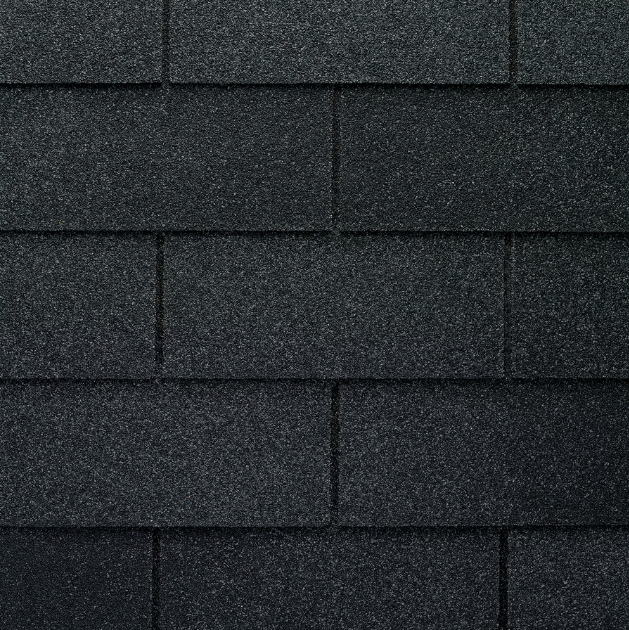
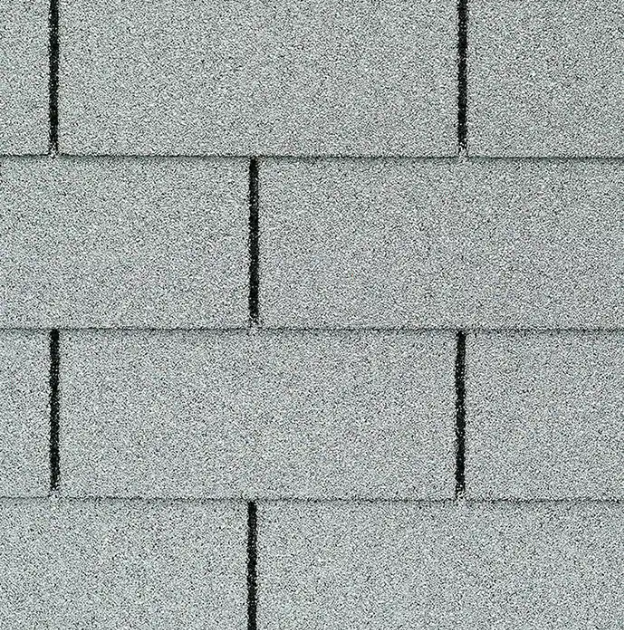
They’re flat, lightweight, and have a single layer of asphalt with cutouts (or “tabs”) that give a uniform, brick-like look.
They’re the more affordable option upfront, but also thinner and less robust.
If you’ve ever driven through a neighborhood and noticed older homes with flat, brick-patterned shingles—that’s the 3-tab look.
What Are Architectural Shingles?
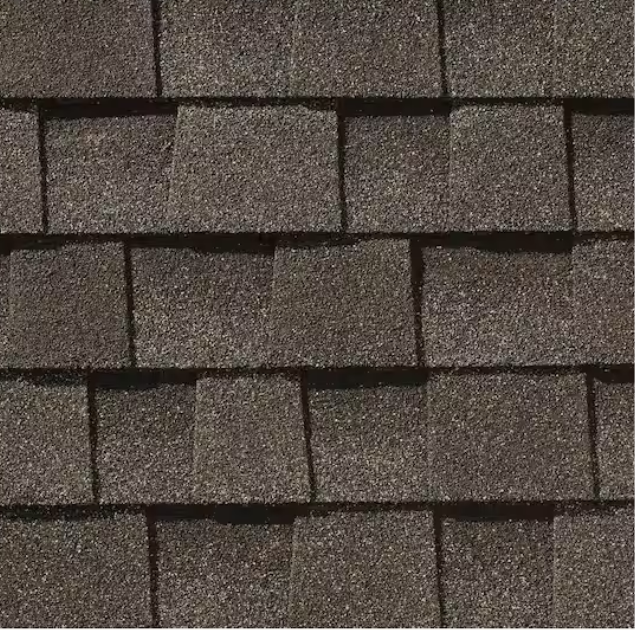
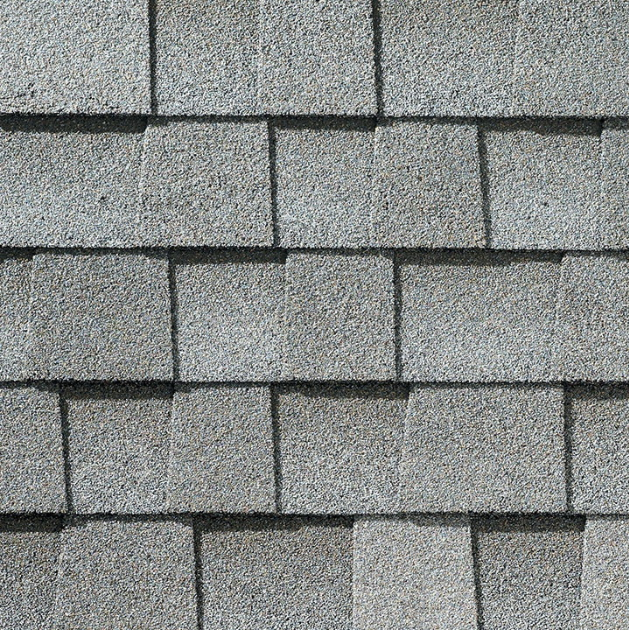
Also known as dimensional or laminate shingles, architectural shingles are a newer product composed of multiple layers of asphalt fused together.
We often describe architectural shingles as the “middle class” of roofing materials—more affordable than high-end metal or slate, but dramatically better than the basic 3-tab.
That extra thickness gives them a more dimensional, high-end look and a noticeable boost in performance.
They’re heavier, stronger, and generally better at withstanding harsh weather.
Because of this, most reputable roofing companies (including us) now default to architectural shingles for full replacements.
Here’s why:
- Manufacturers are phasing out 3-tabs in favor of longer-lasting, better-looking products
- Insurance carriers may offer incentives or require modern materials
- Warranties on architectural shingles are more generous and reliable
- The resale market expects it, and buyers often ask what kind of shingles are on a home
We still work with 3-tab shingles for repairs and matching purposes, but for new installs, architectural is almost always the better choice.
| Feature | 3-Tab Shingles | Architectural Shingles |
|---|---|---|
| Layers | Single-layer | Multi-layered (laminated) |
| Wind Rating | ~60–70 mph | Up to 130 mph |
| Impact Resistance | Moderate | High (some rated Class 4) |
| Moisture Resistance | Basic | Better layered protection |
| Appearance | Flat, uniform look | Textured, dimensional look |
| Lifespan | 15–20 years | 25–30+ years |
| Cost Range (Materials Only) | $6,400 to $15,500 | $3,300 to $30,000 |
| Value Over Time | More frequent replacements | Longer lifespan + resale value |
Appearance: Subtle, But Powerful
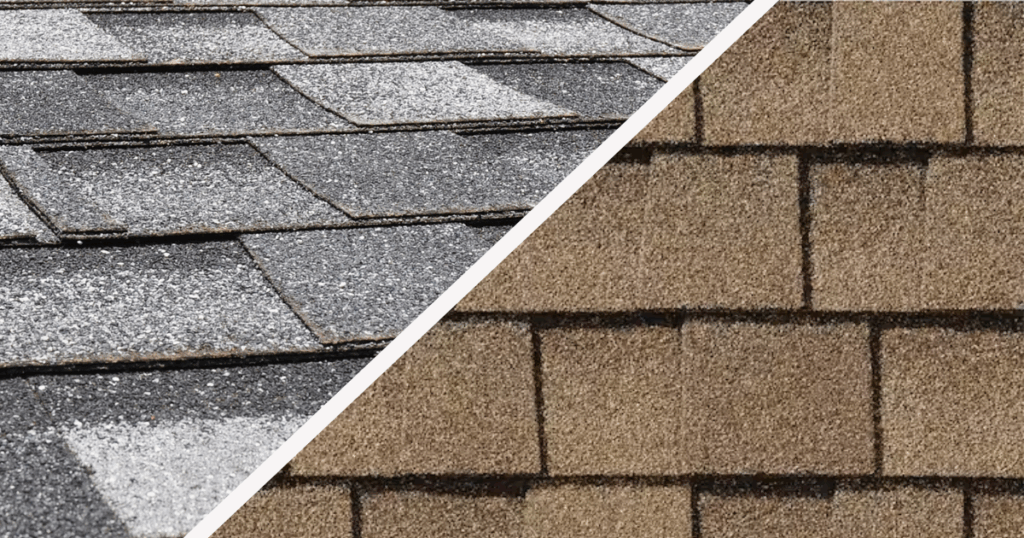
At first glance, shingles are just shingles. But side-by-side, the difference is clear.
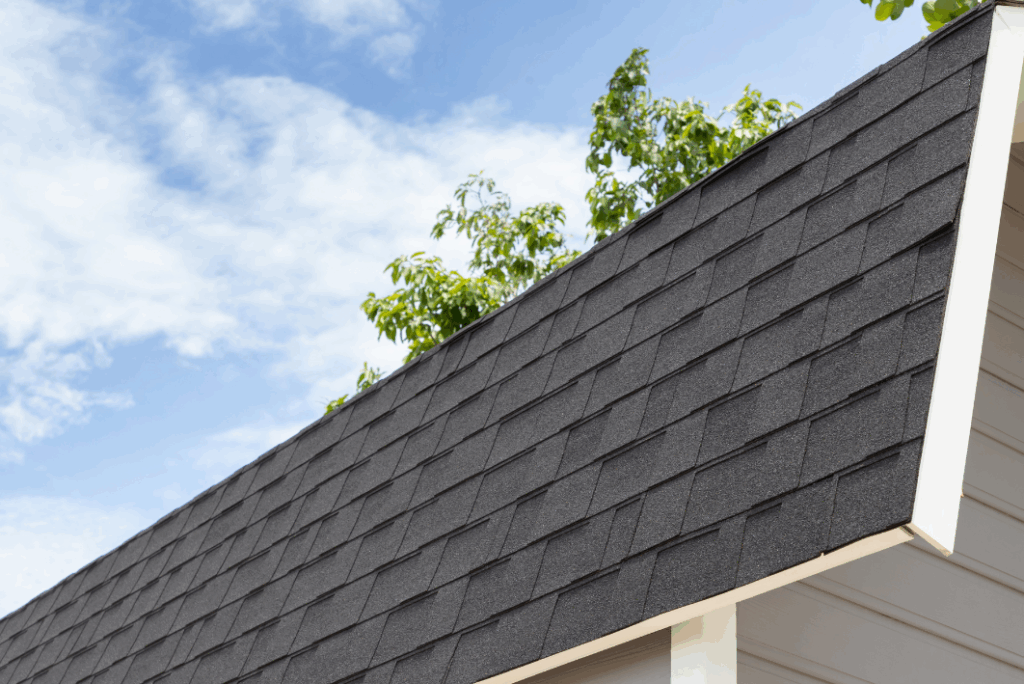
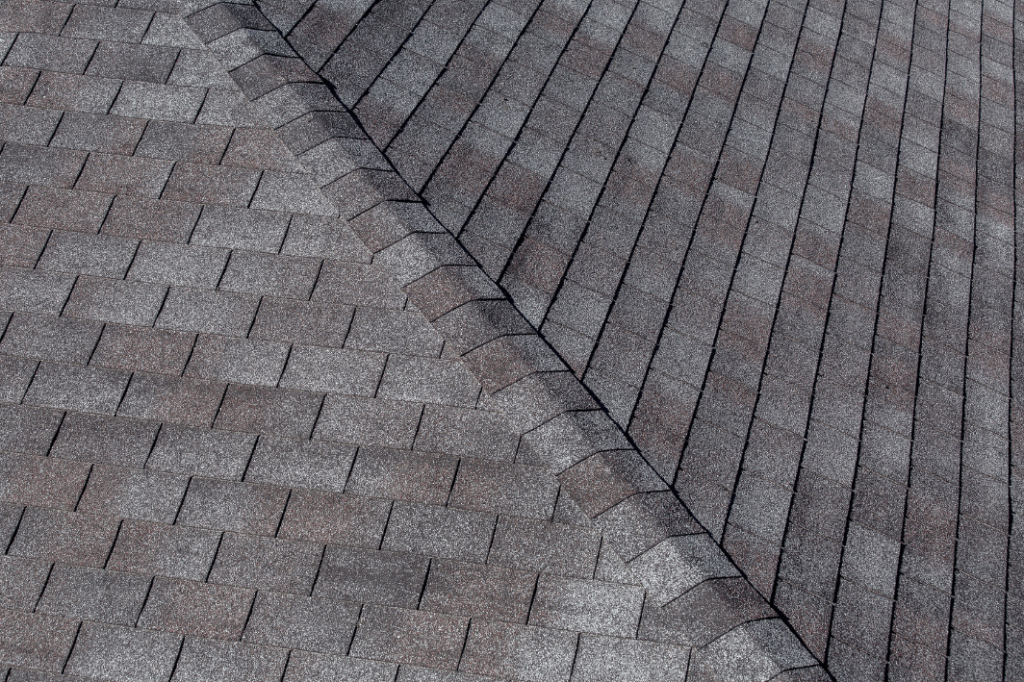
3-tab shingles create a flat, repetitive pattern—fine from a distance but lacking dimension.
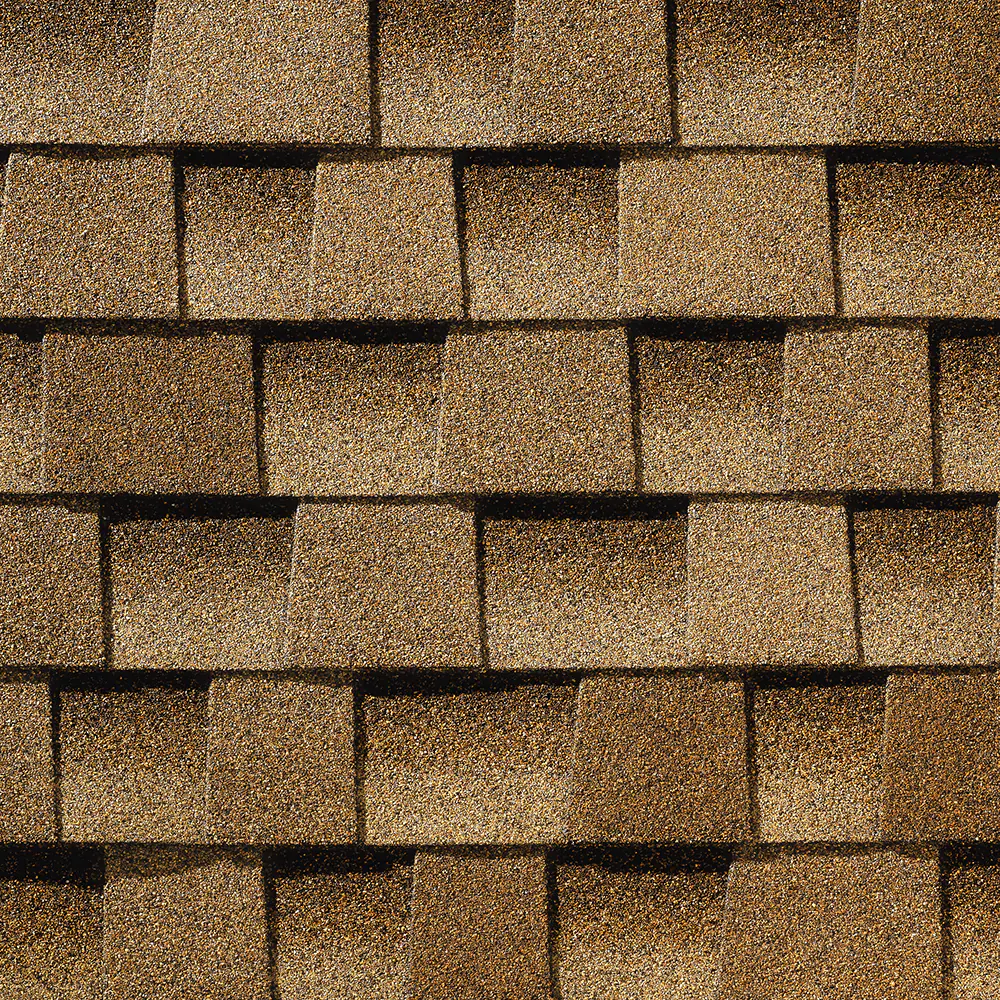
Architectural shingles have varied shapes, shadow lines, and depth. They add curb appeal. The roof becomes part of your home’s exterior design, not just a cover on top.
We’ve seen it firsthand: after a new roof with architectural shingles is installed, homeowners often say their home looks years newer.
It’s a visual upgrade that can rival a fresh coat of paint or new siding.
Which Type Handles Pennsylvania’s Weather Better?
From spring hail to winter snow loads, roofs in southeastern Pennsylvania see their fair share of punishment.
In our experience:
- 3-tab shingles are more prone to lifting in high winds.
- The thinner profile makes them more vulnerable to hail and impact damage.
- Architectural shingles provide better protection and last longer between storms.
That’s why almost every full roof replacement we do today uses architectural shingles.
For homes in Chester County, the added durability just makes sense.
Lifespan and Value Over Time
If you’re leaning toward 3-tab shingles for budget reasons, you’re not alone.
They’re one of the most affordable roofing options on the market, with costs generally between $6,400 and $15,500 for most homes.
The upfront savings can be appealing, especially for homeowners trying to stick to a tight budget.
Architectural shingles, on the other hand, do cost more per square foot. The average is anywhere from $9,200 to $22,500.
The materials themselves are thicker and heavier, which also means more labor is involved. And, depending on your roof size and the product line you choose, the final bill can run several thousand dollars higher than a comparable 3-tab roof.
Here’s what that extra investment buys you:
- A roof that lasts 10–15 years longer
- Stronger protection against wind and weather
- A more modern, upscale appearance
- Better resale appeal and, in many cases, better warranties
We often talk to homeowners who initially went with 3-tab shingles to save money, but ended up replacing the roof years sooner than expected. Between patch jobs, blown-off tabs, and accelerated wear, those initial savings disappeared quickly.
Architectural shingles may cost more on day one, but they’re built to go the distance. In the long run, they often prove to be the more economical (and less stressful) choice.
When a 3-Tab Roof Does Make Sense
There are still a few scenarios where 3-tab shingles might be the right choice:
- Budget constraints. For a low-cost rental or shed, they can do the job.
- Small repair jobs. If you’re matching an existing 3-tab roof, repairs or partial replacements may be a sensible option.
- Short-term homeownership. If you’re planning to sell within the next year and just need the roof to meet inspection requirements, a three-tab shingle roof can provide a budget-friendly solution.
For most homeowners, though, the slightly higher upfront cost of architectural shingles pays off in performance, looks, and peace of mind.
Let’s Talk About The Shingles for Your Next Roof Project
Whether you’re planning a full replacement or exploring your options, we’ll walk you through the pros and cons based on your home, budget, and long-term plans.
At GP Martini Roofing, we treat your roof like it’s our own—and that means making sure you understand the materials going on your home.
Contact us today for a free estimate. We’ll help you choose the right shingles, avoid surprise costs, and get the job done right, start to finish.
FAQs
Are architectural shingles really worth the extra money?
Yes, for most homeowners, they last longer, hold up better to weather, and boost curb appeal. Over time, they’re a smarter investment.
Can I upgrade to architectural shingles if I have 3-tab shingles now?
Absolutely. We’ll remove the old shingles and install new ones to the manufacturer’s specifications, including any needed decking or ventilation upgrades.
Do architectural shingles need special maintenance?
No special care is required. In fact, they often need less maintenance because they’re more weather-resistant than 3-tabs.
Can I mix 3-tab and architectural shingles on my roof?
We don’t recommend it. Visually, the styles clash. Structurally, the materials don’t align well either. For consistent performance, opt for a single type.
Do architectural shingles come in different colors?
Yes! They’re available in a wide range of shades and textures, some of which mimic the look of slate or cedar. Your contractor can help you find a look that matches your home’s style.