Solar Roofing 2025: End of the Tax Credit Doesn’t Mean the End of Savings

What You’ll Learn
What happens when the federal solar tax credit ends in 2025, and is solar roofing still worth it?
The 30% federal solar tax credit expires on December 31, 2025, but that doesn’t mean the savings stop there.
Even without the incentive, solar shingles remain one of the smartest home upgrades available—offering long-term energy savings, higher resale value, and protection from rising utility rates.
In This Blog:
You’ve seen the headlines: “Solar tax credit ends December 31, 2025.”
It’s easy to read that and think, “Well, I guess I missed my chance.”
Across Pennsylvania, homeowners are weighing the same question: Is solar still worth it without the credit?
A Deadline, Not a Dealbreaker
The 30% federal solar tax credit is ending on December 31, 2025. That’s led many homeowners to hit pause on their solar roofing plans.
If you’ve been waiting for the “right time” to invest, this deadline might feel like your last chance to make it pay off.
The end of the tax credit doesn’t mean the end of savings.
Solar roofing technology has come a long way in the last few years.
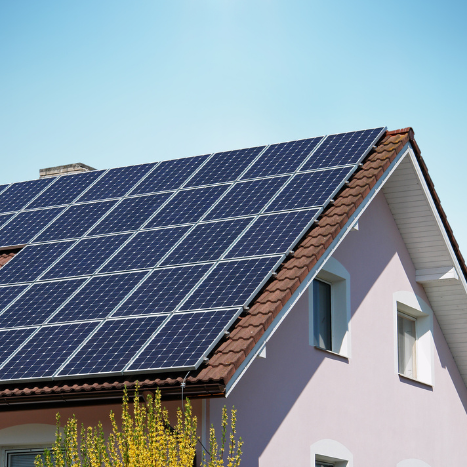
Today’s solar shingles do more than just generate power; they protect your home and lower your energy costs for decades.
The financial value of solar is now baked into the system itself, not just tied to a federal incentive.
What’s Actually Changing with the Solar Tax Credit
The federal Investment Tax Credit (ITC) for residential solar has covered 30% of installation costs since the Inflation Reduction Act extended it in 2022.
That credit applies through December 31, 2025, and will officially phase out for homeowners starting in 2026.
That means:
- Installations completed in 2025 still qualify for the full 30% credit.
- Projects started but not finished by year-end may still qualify under “begin construction” rules.
- After 2025, federal incentives for residential solar drop to 0%.
Local incentives, however, will remain.
Pennsylvania homeowners can still take advantage of net metering, state rebates, and utility programs designed to reward clean energy generation.
Bottom line: The big federal credit is ending, but the savings potential from solar shingles is not.
Solar Roofing Still Makes Financial Sense
It’s easy to see the tax credit as the make-or-break factor.
In reality, solar roofing’s long-term payback comes from three main sources, none of which depend on federal incentives.
Energy Savings
Your roof becomes your own mini power plant. Every kilowatt-hour you generate is one less you buy from the grid.
With electricity rates in Pennsylvania steadily climbing, locking in your own energy source creates predictable, lower bills year after year.
Over 25 years, that often means tens of thousands of dollars in avoided utility costs.
Home Value
Homes with solar systems consistently sell for 4–6% more on average, according to national real estate studies.
Obviously, buyers value lower bills and newer roofing systems when investing in a home.
Even if you sell your home before you’ve finished paying off the financing or getting the full return on investment, much of that value transfers directly to your resale price.
Energy Independence
Solar shingles or panels don’t just provide cost savings; they provide a level of control you simply don’t have when solely relying on the grid.
You’re producing your own power, relying less on the grid, and insulating yourself from unpredictable utility hikes or outages.
With or Without the Credit: The Return on Investment Still Works
Let’s look at a simplified example:
| Scenario | Total Cost | 30% Tax Credit | Net Cost | Est. Payback |
|---|---|---|---|---|
| Install in 2025 | $40,000 | -$12,000 | $28,000 | 8–10 years |
| Install in 2026 | $40,000 | $0 | $40,000 | 10–12 years |
Even without the credit, the system still pays for itself over time through lower energy bills and added home value.
The difference is just a couple of years on the payback timeline, then decades of free energy ahead.
There’s Still Time to Claim the Credits in 2025
If you do want to take advantage of the 30% federal solar tax credit, there is still time.
Knowing that solar will deliver a return on your investment, with or without a federal credit, means you don’t have to rush into a same-day decision.
But if you want a chance to claim the credit, don’t wait until the last minute.
Solar roofing projects require planning, evaluating your roof, finalizing the design, and scheduling installation. However, homeowners who start now in 2025 still have the chance to qualify for the full credit.
Even if your installation happens in early 2026, a signed contract and documented project start in 2025 can still meet IRS “begin construction” guidelines.
Start the conversation now, gather the facts, and move at a comfortable pace.
You’ll lock in your eligibility and make a confident investment that continues to pay off well beyond the credit’s expiration.
The New Era of Solar Shingles
Solar roofing has evolved far beyond the bulky panels.
At GP Martini, we recommend solar shingles as the best investment for homeowners who want both exceptional performance and modern curb appeal.
While panels are still a reliable energy choice, today’s more advanced integrated solar shingles are an option that combines aesthetic appeal, durability, and energy performance in one streamlined system.
Here’s what’s different with solar in 2025:
- Higher efficiency: More energy from fewer shingles.
- Better integration: Solar cells built right into your roofing material—no clunky panels or racks.
- Durability: Shingles protect against wind, rain, and snow like a premium asphalt roof.
- Longevity: Warranties now match or exceed traditional roofing systems, often 25 years or longer.
For many homeowners, solar shingles are the ideal two-in-one solution: a roof replacement and solar upgrade in one project.
Contact GP Martini Roofing for a Free Solar Roofing Estimate
Our team can evaluate your roof, explain your financing and incentive options, and help you understand your real long-term savings.
We’ll help you:
- Determine if your home qualifies for the 2025 credit
- Estimate your lifetime energy savings
- Design a roof that pays you back
Get your free estimate today and turn your roof into a long-term investment.

FAQs
Is solar still worth it without the tax credit?
Yes. Even without the federal incentive, solar roofing delivers long-term value through lower utility bills, higher resale value, and lasting energy independence.
Over 25+ years, the savings often exceed what the credit would have covered, making it a smart, stable investment either way.
Can I still claim the credit if I sign in 2025 but install in 2026?
Possibly. If your project “begins construction” in 2025, you may still qualify under IRS rules.
Documentation like permits, deposits, or material purchases can confirm eligibility, so work with your contractor to ensure your project meets those guidelines.
Are solar shingles or panels better?
It depends on your goals. Solar shingles replace traditional roofing materials for a clean, integrated look.
Panels typically offer slightly higher output but sit above the roof. If you’re replacing your roof anyway, shingles often deliver the best all-in-one upgrade.
Will financing options still exist after 2025?
Yes. Many lenders and roofing contractors offer low-interest or zero-down financing even after the tax credit ends.
That means you can spread out payments, protect your budget, and still enjoy the long-term savings solar roofing provides.