How Long Do Roofs Last? Materials, Installation, and Climate Tips for a Longer Roof Life
What You’ll Learn
What factors affect my roof’s lifespan?
Your roof’s longevity depends on the materials used, the local climate it faces, the quality of the installation, how well ventilated your attic is, and how good your warranty is.
Understanding how each of these factors affects your roof will help you predict how long your roof will last, as well as give you suggestions on how to extend its life.
In This Blog:
You noticed it during the last storm.
The curling of shingles.
The damp smell in your attic as the rain kept falling and saturating every inch of your roof.
You keep telling yourself, “It’s fine, it’s just wear and tear,” but deep down, you’re wondering if your roof will hold up through the next cycle of bad weather.
There are several factors—materials, environment, installation quality, and warranty coverage—that can help you predict how long your roof will last and how to extend its life.Roof’s Lifespan Based on Material
Residential roofs can last for decades, and on rare occasions, centuries. However, how long your roof lasts depends on the materials used.
Here’s an overview of common roofing materials and their expected lifespans:
Asphalt Shingles
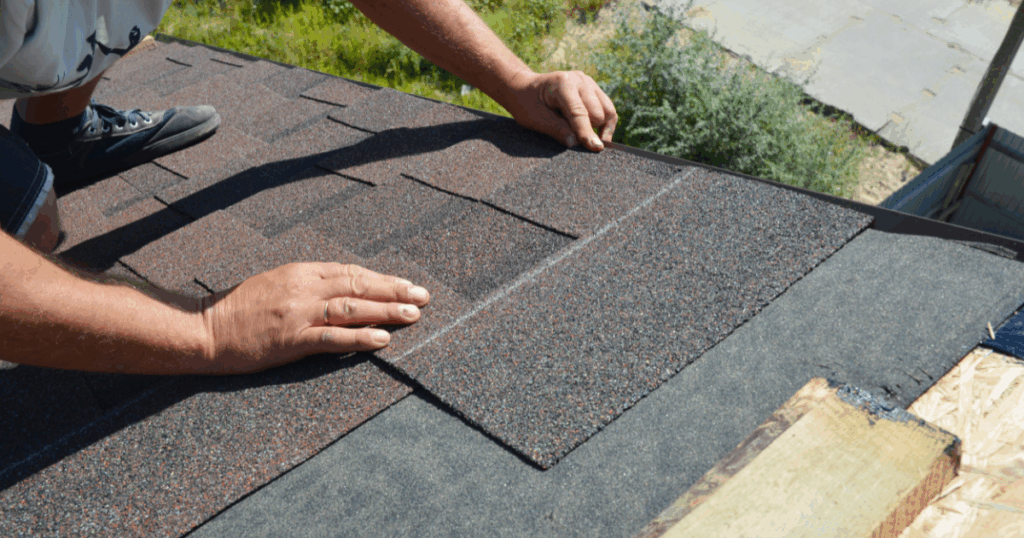
Asphalt shingles are the most common roofing material, and they can last for 15-40 years, depending on the type of shingle.
- 3-tab shingles: 15-20 years
- Architectural shingles: 20-30 years
- Premium shingles: 25-40 years
Metal Roofing
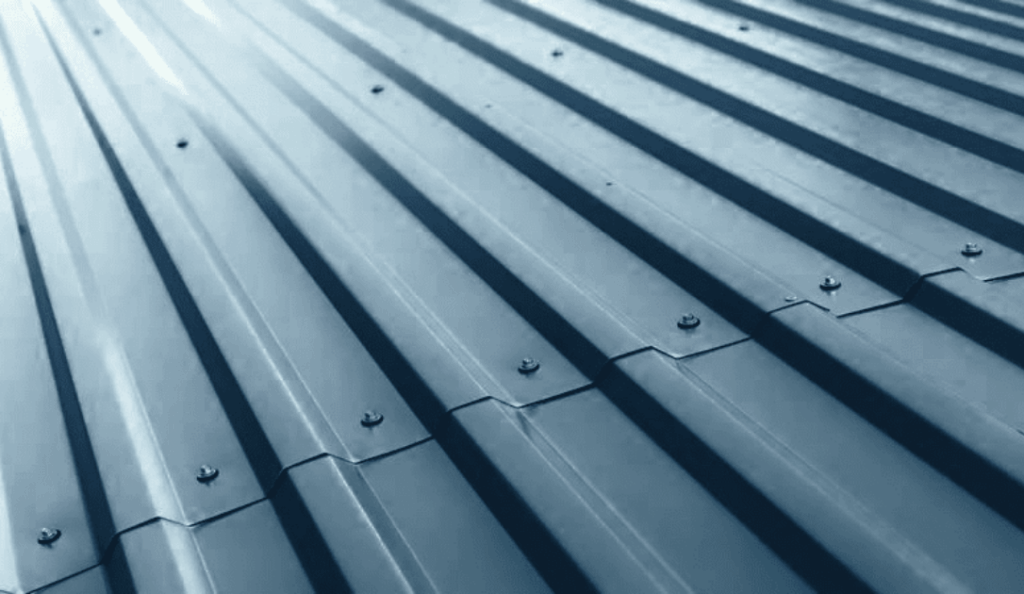
Metal roofing is great for durability and energy efficiency. These roofs can last for 40-70 years.
- Ribbed metal panels: 25-50 years
- Stone-coated steel tiles: 30-50 years
- Standing seam systems: 50 years
- High-quality copper and zinc roofs: 100+ years
Slate Roofing
A slate roof is one of the most long-lasting roofs, with a lifespan between 40 and 150 years.
- Traditional slate roofing: 150 years
- Synthetic slate roofing: 40-50 years
How Weather Kills Your Roof
Even the best materials with the longest lifespans are not foolproof, as Mother Nature has a mind of her own.
Be it Pottsville or Chadds Ford, in Southeastern Pennsylvania, the weather is relentless, we have a bit of everything—freeze-thaw cycles, snow, hail, and humid summer heat.
All of these affect your roof in different ways.
- Freeze-thaw cycles: As detailed in our blog “How Freeze-Thaw Cycles Affect Your Roof Over Time,” repeated freezing and melting cause shingles and slate to expand and contract, weakening seals and leading to cracks over time.
- Snow accumulation: Heavy snow adds significant weight and stress to your roof’s structure. Without proper support, this can shorten the roof’s lifespan.
- Hail damage: Hail causes instant damage—dents, cracks, and granule loss—leading to leaks and reduced protection.
- Sun and heat exposure: Exposure to UV and heat for a prolonged period of time can break down asphalt granules, fade materials, and make roofs brittle.
- Humidity: Excess moisture on your roof encourages moss growth, which traps even more water and can lead to more serious issues like mold.
- Wind: Strong winds can rip shingles away, though other roof types withstand them better due to weight and tight installation.
You can’t really control the weather, but choosing the right material for your area (and maintaining it properly) can help you preserve your roof for as long as possible.
The Foundation of Durability
Weather-proof materials alone do not determine the life of your roof.
The installation of your roof and the state of your attic both play a key role in supporting your roof’s life.
Installation Quality
It doesn’t matter how durable or “premium” your materials are if they are installed poorly.
In fact, an improper roof installation can cut down the lifespan of your roof by half.
Some very common installation mistakes include:
- Misaligned flashing
- Inadequate underlayment
- Weak structural support
It’s essential to choose a contractor with proven craftsmanship and a focus on long-term reliability.
Attic Ventilation
Maintaining balance inside your home is crucial to the life of your roof.
When warm air and moisture get trapped in the attic, they cause mold growth, rot, and shingle degradation.
Lack of proper ventilation kills a roof.
Ensuring that your attic is well-ventilated—and insulated—is the key to preventing your roof from taking damage from the inside of your home.
Protecting Your Roof
Not all warranties are created equal. It’s important to understand what type of warranty or warranties your roof has, who the provider is, what they cover, and what can void them.
Product vs. Labor Warranties Explained
There are two main types of warranties: product warranties and labor warranties.
Product or material warranties: These come from the manufacturer of your roof materials, and they cover any defects or failures in the materials. They cover the cost of materials to repair or replace.
Labor warranties: These come from your contractor and protect you from installation-related problems.
Together, these types of warranties guarantee:
- No defects in materials
- Coverage in the case of material failures or installation issues
- Reliability and quality
- Protection for your long-term investment
In the end, a good warranty protects you and your roof. When shopping for a new roof, make sure you ask for a detailed explanation of the warranty.
What Voids Warranties
If you aren’t familiar with all the conditions of your roof warranties, it can be easy to void them.
Something as simple as hiring a new contractor without communicating with your old one, or using different materials to patch up your roof, can void your warranty.
There are quite a few other ways that you can lose your warranty, and they can vary based on your contractor and manufacturer, but your warranty is typically void if you:
- Ignore manufacturer installation guidelines
- Fail to follow cleaning and inspection guidelines
- Do your own repairs
Many contractors also do not include extreme weather conditions in their warranties, meaning that if your roof is damaged by unusually high winds or a particularly bad storm, repairs aren’t covered.
However, your homeowner’s insurance should help you in the case of this type of disaster.
Make Your Roof Last
Whether you’re in the market for a new roof or just want to know how to make your current one last as long as possible, there are some things you can do.
Some actions you can do on your own include:
- Keeping your gutters clean
- Using a roof rake to remove ice and snow
For others, you’ll need an expert hand:
- Scheduling regular roof inspections
- Repairing any issues quickly
- Ensuring proper ventilation and insulation
Making the Right Long-term Choice
Maximizing your roof’s lifespan comes down to understanding what truly matters:
- Choosing the right materials for your weather patterns and needs
- Ensuring professional installation and ventilation
- Protecting your roof with regular maintenance and comprehensive warranties
Do you want to secure a long-lasting roof for your home?
Contact GP Martini Roofing for a Free Roofing Estimate today.
FAQs
What’s the average lifespan of a residential roof?
Most asphalt shingle roofs last around 20-25 years, but metal roofs can last up to 50 years with proper maintenance.
Slate roofs have the longest lifespan by far, with synthetic slate roofs lasting a minimum of 40 years and traditional slate roofs lasting for up to 150 years with proper care.
Can weather shorten the lifespan of my roof?
Yes! Freeze-thaw cycles, heavy snow, hail, wind, and intense sun exposure can cause shingles to crack or lose granules, accelerating wear and tear.
It’s important to choose the right roof materials for the right weather in your area.
How does installation affect my roof’s lifespan?
Installation can make or break your roof.
An improper installation can have severe consequences, from a drop in the lifespan of your roof due to misaligned flashing, inadequate underlayment, or having weak structural support, to voided warranties because of the misuse of materials.
What can I do to make my roof last longer?
You can schedule annual or bi-annual inspections, keep your gutters clear, and ensure proper ventilation—among other things. Preventive maintenance can significantly extend the lifespan of your roof.
Additionally, in the case of “minor” damage, make sure to have a contractor repair those as quickly as possible, as they can become a real problem if ignored.
What voids a roofing warranty?
Improper installation, unapproved repairs, or even hiring a new contractor can void manufacturer warranties. Always work with a certified, reputable, and approved contractor to maintain full coverage.