Licensed, Insured… and Underinsured? What Every Homeowner Should Ask

It starts with a confident promise: “Don’t worry, we’re licensed and insured.”
You breathe a little easier, sign the contract, and assume you’re covered.
A few weeks later, a worker slips, a ladder falls, or your gutters get crushed. Suddenly, you find out their “insurance” wasn’t enough to protect anyone. Especially not you.
In roofing, “licensed and insured” can mean a fully protected, professional operation…or just the bare minimum needed to book jobs.
Unless you ask the right questions before work begins, you might not know the difference until it’s too late.
What You Need to Know About License and Insurance
- Watch: What Licensed and Insured Should Mean
- Why Roofing Insurance Matters
- The Four Types of Insurance Every Roofing Contractor Should Have
Watch: What Licensed and Insured Should Mean
In this short video, GP Martini Roofing owner Gary Martini breaks down why “licensed and insured” isn’t enough—and what real protection looks like for homeowners.
Why Roofing Insurance Matters
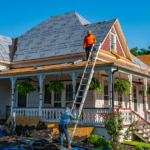
Roofing isn’t just dangerous work—it’s risky business. Workers are climbing ladders, using heavy equipment, and working on top of your home.
If a roofer is underinsured, and someone gets hurt or something gets damaged, you could be held financially responsible.
A professional roofing contractor should carry multiple types of insurance to protect both their crew and your property.
The Four Types of Insurance Every Roofing Contractor Should Have
1. General Liability Insurance
This protects your home from damage caused by the contractor’s work.
If a roofer accidentally breaks a skylight, damages your gutters, or causes a leak that damages your ceiling, this policy covers the repairs.
What to ask:
- “Can I see your Certificate of Insurance with my property listed as the job site?”
- “What is your liability coverage limit? Is it at least $1 million?”
2. Workers’ Compensation Insurance
If a roofer falls or gets injured on your property, this policy covers their medical bills and lost wages. Without it, you could be sued for damages, especially if the contractor tries to claim they were an “independent contractor” rather than an employee.
What to ask:
- “Can you provide a workers’ comp certificate showing coverage for all employees and subcontractors?”
- “What happens if someone gets injured on my property—how is that handled?”
3. Commercial Auto Insurance
Roofers use trucks, vans, and trailers to transport equipment and materials. If one of those vehicles damages your property or is involved in an accident during your project, commercial auto insurance covers it.
What to ask:
- “Do you carry commercial auto insurance for all company vehicles used on the job?”
- “Has there ever been a claim involving a vehicle during a roofing project?”
4. Umbrella or Excess Liability Insurance
This is a layer of protection that kicks in if a claim exceeds the policy’s primary limits. For large homes, high-end materials, or complex jobs, it’s a smart— and often necessary —safeguard.
What to ask:
- “Do you carry an umbrella or excess liability insurance for larger claims?”
- “What’s the total coverage available across all your policies?”
- “Have you ever needed to use your umbrella policy on a past job?”
Work With a Roofer Who is Professional, Responsible, and Willing to Invest in Protecting You and Their Team
A roofer who’s properly insured is telling you something: they’re professional, responsible, and willing to invest in protecting you and their team. One who isn’t? That’s a risk you don’t want to take.
At GP Martini Roofing, we carry full insurance coverage for every job—because it’s not just about compliance. It’s about doing right by our customers and standing behind our work.
Don’t risk your home—or your finances—with an underinsured contractor. Contact us today for a free estimate from a fully insured, trusted local roofer.

FAQ
What insurance should a roofing contractor have?
A professional roofer should carry four types of insurance: general liability (covers property damage), workers’ compensation (covers worker injuries), commercial auto (covers company vehicles), and umbrella/excess liability (for larger claims).
These protect both you and the crew from legal and financial risk during your roofing project.
Can I ask to see proof of insurance before hiring a roofer?
Yes. You absolutely should. Ask for a Certificate of Insurance (COI) that lists your property as the job location.
Ideally, it should be provided directly by the insurance provider, not just as a PDF from the contractor. This ensures the coverage is real, current, and applies to your project.
How much liability insurance should a roofing contractor carry?
At a minimum, a roofer should carry $1 million in general liability insurance. For larger homes or complex projects, look for higher coverage limits or an umbrella policy.
This ensures there is sufficient protection in the event of major property damage or a high-value claim.
Do subcontractors need to be insured separately?
Yes. If your contractor uses subcontractors, make sure they’re covered under the same policy or have their own valid insurance. Uninsured subcontractors create a serious risk.
If they get injured or damage your home, you could be liable unless the contractor’s coverage extends to them.
Can a roofer’s insurance expire before my job is done?
It can, which is why you should always check the policy dates on the Certificate of Insurance.
Ensure coverage remains active throughout the entire duration of your project. If a policy lapses mid-job, the protection disappears—and so does your peace of mind.
Is it safe to hire a roofer without workers’ comp?
No. Without workers’ compensation insurance, you could be sued if a worker gets injured on your property.
Even if the roofer says they’re a contractor or “won’t file a claim,” the liability can fall on you. Always confirm that workers’ compensation coverage is in place before work begins.
 Seasonal Siding Maintenance: Spring, Summer, Fall, and Winter Tips
- Roof Insurance Claims: A Homeowner’s Step-by-Step Guide to Getting Your Roof Replaced
 Why Your Siding May Be Buckling in the Heat
 Why Proper Housewrap Matters More Than You Think
 Rattling Siding: Why Your Siding Is Making Noise During Windstorms