Prevent Ice Dams Before They Start: Don’t Let Them Ruin Your Winter
![Blog Images [MR]](https://eadn-wc03-9721172.nxedge.io/wp-content/uploads/Blog-Images-MR-3-1024x538.png "Blog Images [MR]")
What You’ll Learn
Should I be concerned if there are ice dams on my roof?
Yes. Ice dams act as a solid barrier that blocks water from draining, forcing it to seep under your shingles and into your walls.
They are also a sign that your attic is not properly insulated.
In This Blog:
In the days after the snowstorm, snow sticks to your roof for a few days.
It’s scenic until you notice a wet spot on your ceiling.
The snow will melt off evenly over time if your roof and attic are well-maintained.
In cold climate regions, ice dams can form and put an uneven amount of pressure on your roof, damaging it during its most vulnerable season.
What is an Ice Dam?
An ice dam is a ridge of ice forming at the roof’s edge, preventing melting snow from draining properly.
Ice dam formation occurs when:
- Snow accumulates on your roof after a winter storm, whether in January or March.
- Temperatures fluctuate, like when it’ll sometimes be 70°F in December, and a blizzard will hit our area next week.
- When temperatures change drastically, the snow on your roof melts. If temperatures go below freezing again, at night or the next day, the melted snow will refreeze and become ice.
- Now, a solid ice barrier is weighing on part of your roof. It’s blocking water from draining into the gutter, which causes water to seep into your roof.
Are Ice Dams Common?
Ice dams are common in our area and northern climates in general.
If 1 inch of snow covers your roof after a snowstorm, your home is susceptible to ice dams.
The north side is most susceptible.
Ice dams are usually seen on the north side of roofs because it receives the least amount of direct sunlight. Direct sunlight is crucial in melting the accumulated snow on your roof.
Ice dam formation has much to do with the materials used to make your roof.
Asphalt shingles are particularly vulnerable to ice dams. The ridges and layers of shingles create traction where ice can stick, whereas metal roofs will allow snow to glide right off.
Poor ventilation is the main culprit.
Poor ventilation can also make your attic hot, causing uneven snow melting above your attic.
If the top of your attic has deteriorating insulation and the edges have sufficient insulation, the snow at the peak of your roof will melt. However, it will be trapped by the snow on the edges, melting more slowly. When night falls and the temperatures drop, the melted snow at the top will refreeze into ice.
What Damage do Ice Dams Cause?
- Roof damage, such as shingle deterioration. When water is trapped on your roof, it will back up under your asphalt shingles and refreeze. The weight of the ice and the expansion caused by its formation can make shingles crack, lift, break, and curl.
- Gutter damage due to ice buildup. Ice dams are heavy, so when they eventually land in your gutter, they can rip it off your roof’s edge.
- Interior water damage, leading to stains and structural issues. Water will find the path of least resistance. It follows gravity in that it won’t slide up and over the ice dam but down between the imperfections in your roof closest to the ground. So, when snow melts, and there’s a tiny flaw in your roof, that water will seep down from your roof and into your walls and foundation.
The damage caused by ice dams varies greatly, so it’s best not to ignore this issue before it becomes a financial and structural burden on your home. Ice dams may be small, but they halt the crucial drainage steps affecting your house’s integrity.

What are the Signs of Ice Dams?
You can identify ice dams through the following signs:
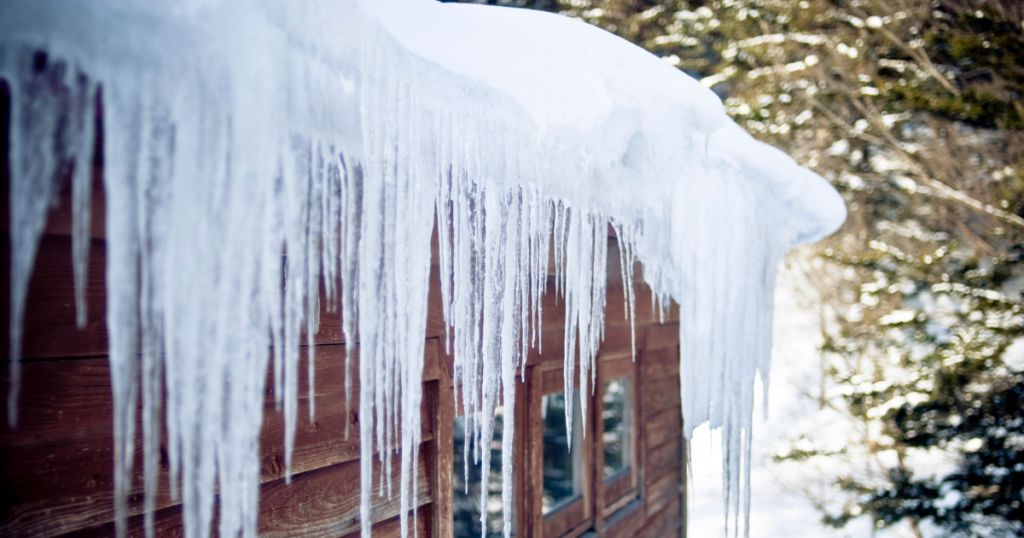
- The presence of icicles along the roof’s edge.
- Water stains on interior walls and ceilings.
- Ice buildup on the eaves and gutters.
It’s essential to regularly inspect your roof, especially during the winter months, to prevent damage and reveal warning signs you might not have noticed beforehand.

What are the Solutions for Ice Dams?
Short-Term
Use some heat source, from hot water to heating cables, to melt the ice dams and allow the rest of the melted snow to drain off your roof.
You can also remove the ice dams with a roof rake, which is a specialty rake that you can buy at most hardware stores so that you don’t scrape your shingles.
Long-Term
If you’re continually having problems with ice dams, it may be best to look for professional solutions. This would mean revamping your attic with proper insulation or ventilation to keep it at an equal temperature so that all the snow on your roof melts equally.
Prevention through Attic Insulation
Attic insulation is the primary preventive measure against ice dams.
When your attic is evenly insulated, the snow above it melts evenly, too. Equally distributed heat from your attic prevents snow from sticking on your roof for too long.
The various types of attic insulation include:
- Fiberglass
- Cellulose
Our area’s recommended insulation levels (R-values) are between R38-60 for attics, translating to about 17 inches of insulation.
Maintenance and Replacement
Attic insulation should be replaced or upgraded every 15 years to ensure functionality. Over time, insulation loses the qualities that make it retain heat so well, like its density and structure.
If your insulation is wet, damaged, or deteriorated, it must be removed and replaced. Otherwise, a new layer can be placed on the old insulation for extra protection.
This job should be left to a professional roofer, given that some attic insulation can be harmful when touched or inhaled by accident.
GP Martini Roofing is Here to Help
Ice dams are a harsh reality for the cold winters ahead in our area. You’re in the clear if you’ve taken the proper preventative measures regarding your attic insulation.
Proper maintenance and inspection of your roof and attic insulation are crucial.
GP Martini Roofing, your local roofer, can help you ensure your roof is ready for the upcoming winter season.
Don’t delay; request a free estimate with us today!

FAQs
What is an ice dam?
An ice dam is a ridge of ice that forms at the edge of a roof, blocking melting snow from draining into the gutters.
This trapped water can seep under shingles, damaging your roof and interior.
How do ice dams form?
They form when snow melts unevenly due to poor attic insulation or ventilation.
The melted snow refreezes near the roof edge—especially on the colder, north-facing side—creating a heavy ice barrier that prevents proper drainage.
What damage can ice dams cause?
Ice dams can cause roof damage, such as cracked, lifted, or curling shingles, gutter damage like bending or tearing away from the roof, and interior damage like leaks, stains, and structural issues inside walls and ceilings.
How can I tell if I have ice dams?
Look for icicles along your roof’s edge, water stains on ceilings or walls, and ice buildup around the gutters or eaves.
Are some roofs more at risk?
Yes. Asphalt shingle roofs are especially vulnerable due to layered textures that hold snow and ice.
Poorly insulated attics or those with uneven ventilation also increase the risk.
How often should attic insulation be replaced?
Every 15 years, or sooner if it’s damaged or compacted. R-values of R38–60 (about 17 inches) are recommended in our region for optimal performance.