The Ultimate Checklist for Spring Roof Maintenance
What You’ll Learn
What can I safely check myself on my roof this spring?
When it comes to spring roof maintenance, you can safely handle key tasks from the ground: inspecting for visible shingle damage, cleaning gutters, and trimming branches.
Knowing these steps helps you spot problems early and understand when to call a professional.
In This Blog:
Do some spring cleaning outside of your house.
And I’m not talking about weeding, raking leaves, or mowing—give your roof a checkup!
After a long season of wind, rain, and snow, some spring roof maintenance makes sure that your roof is ready to handle anything that comes its way.
Put these tasks on your spring cleaning checklist. You won’t have to get on your roof for any of them.
We’ll cover everything you need to know so that you can make an informed decision about what tasks can be tackled as DIY projects and which ones are best left to the professionals.
Inspect the Roof for Damage
Shingles
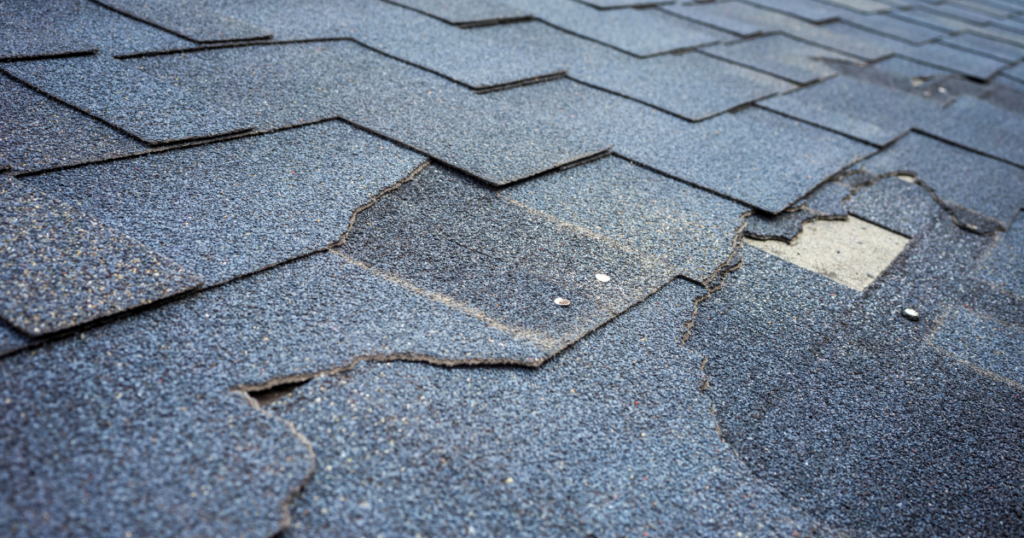
Arm yourself with binoculars and look at your roof from the ground.
Look specifically for missing, damaged, or curling shingles.
- Each missing shingle is like an open door, inviting water to seep in and create a potential for leaks that can cause extensive damage to your home’s interior.
- Curled shingles, on the other hand, signal that your roof is getting older (among other causes), making it less effective against weather.
Flashing
But your inspection doesn’t stop at the shingles.
Your roof has metal flashing around chimneys, vents, and valleys—critical areas where your roof’s slope changes. Flashing acts as a waterproofing bridge between roofing materials and protrusions or joins.
Damage here could mean water has a direct path into your home, bypassing shingles entirely.
Algae or Moss Buildup
Similarly, algae or moss buildup isn’t just an aesthetic concern.
It’s a symptom of moisture retention on your roof, which leads to shingle deterioration over time.
DIY or Professional?
Most homeowners can conduct a basic inspection from the ground or safely from a window.
However, spotting an issue is far from solving it.
If you inspect your roof and it needs a repair, call a professional.
Additionally, professionals can perform a more detailed assessment, spot subtleties you might miss, understand the underlying causes of visible damage, and recommend the best course of action.
Clean the Gutters and Downspouts
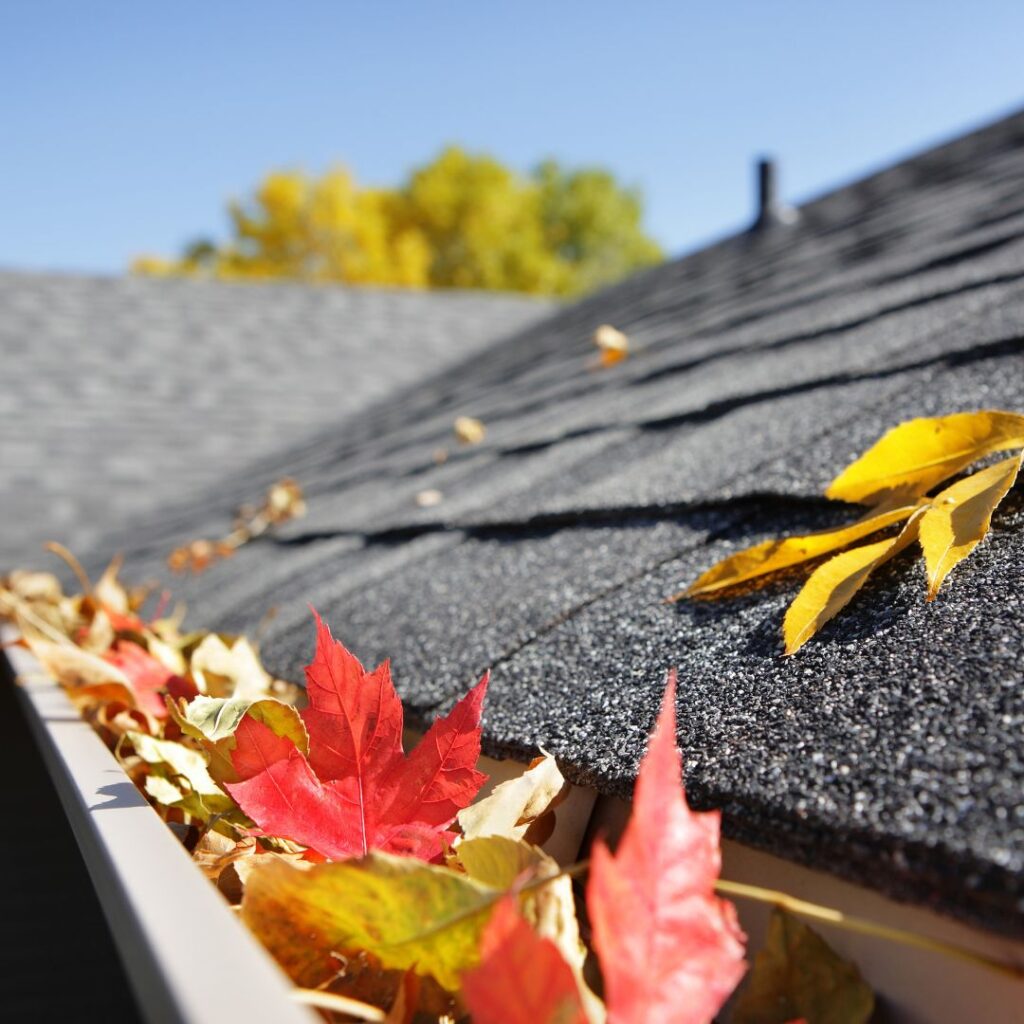
Gutters and downspouts form the backbone of your home’s drainage system.
Their primary role is to channel water off the roof and safely away from the foundation, protecting your home from potential water damage.
When gutters are clogged with debris, water can’t flow freely, leading to overflow. This overflow can result in water creeping under your shingles or pooling around your foundation. You’ll probably notice water in your basement first when your gutters are overflowing since water takes the path of least resistance.
Regular cleaning ensures that water is efficiently whisked away from your house, maintaining the integrity of your roof and foundation.
It requires:
- a sturdy ladder
- a pair of gloves
- a garden hose
- a handheld leaf blower
You’ll then remove debris from the gutters and flush the downspouts so water flows unimpeded.
While cleaning, inspect your gutters for any signs of wear—cracks, holes, or areas where they might be pulling away from the house. These are early warnings that your gutters may require more than just a clean-up.
DIY or Professional?
For many, cleaning gutters is a manageable DIY task, especially for single-story homes where the gutters are easily accessible.
However, if doing this seems intimidating or your home towers over you, call a professional.
Trim Overhanging Tree Branches
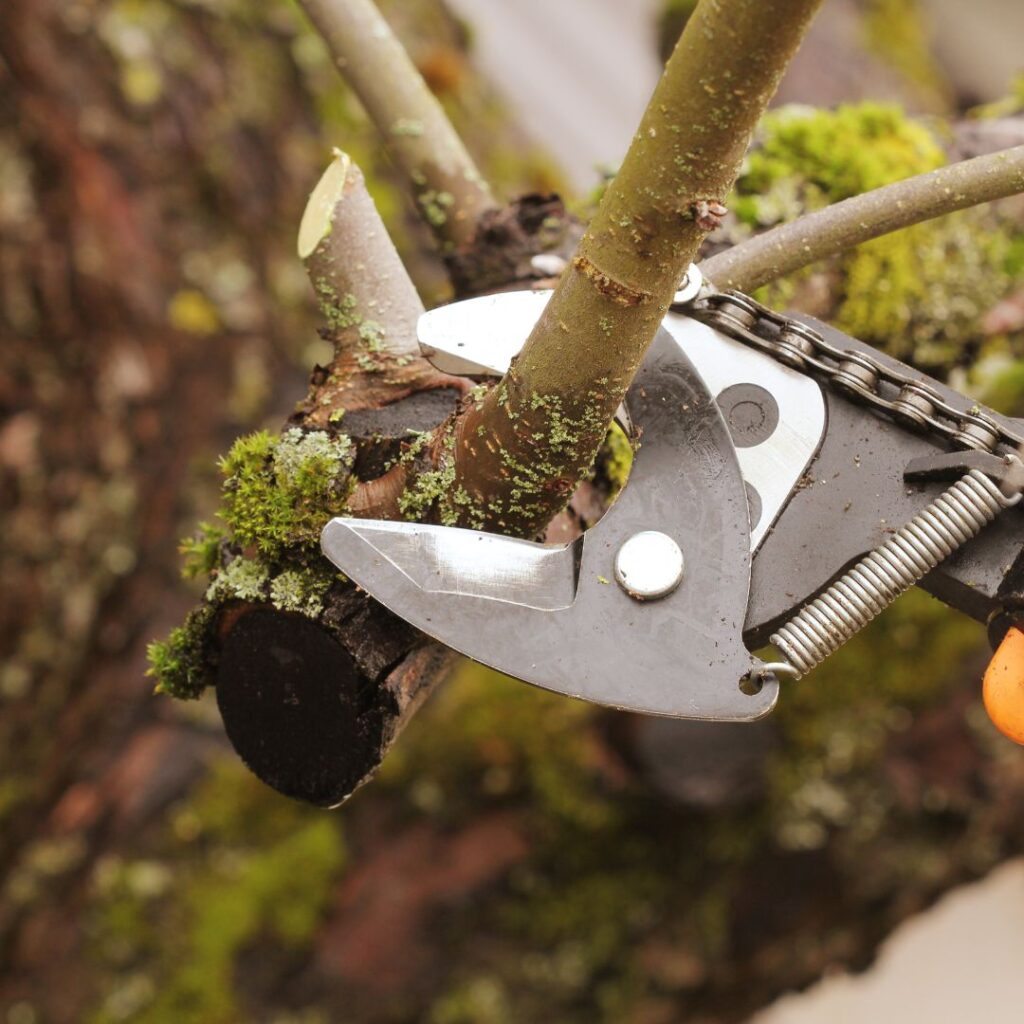
Trees near your home, especially those with branches extending over your roof, walk a fine line between asset and liability.
During storms, these overhanging branches sway dangerously close to your roof, leading to damage. Moreover, leaves, twigs, and other natural debris from these branches find their way into your gutters.
You can trim tree branches any time of the year, but it’s easiest in the spring when the trees haven’t had a chance to grow leaves yet.
Using a ladder, you can use a handheld saw and proceed with trimming. You can also use pruning shears while standing on the ground.
DIY or Professional?
If this sounds feasible, trimming smaller branches might be just another weekend project.
However, when the branches are larger or if the trees are too close to your home for comfort, call a professional.
Check Attic Ventilation and Insulation
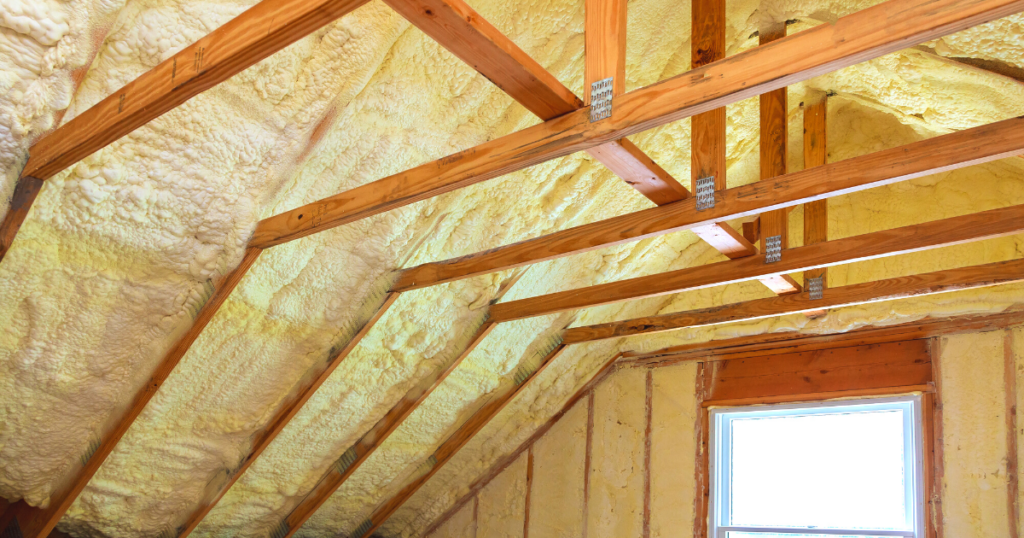
Proper attic ventilation allows for a continuous flow of outside air through the attic, which helps keep the temperature inside your home stable and prevents moisture from becoming trapped and creating mold that causes structural damage.
Insulation complements ventilation by maintaining your home’s internal temperature. In the winter, it keeps warmth in; in the summer, it acts as a barrier to heat.
Without adequate insulation, your heating and cooling systems must work overtime, increasing energy bills.
Lookout for any signs of moisture:
- water stains
- mold
- or a musty smell
Similarly, check the state of your insulation:
- Is it evenly distributed?
- Are there gaps?
DIY or Professional?
Even without technical expertise, these are signs you can identify that indicate potential problems.
Resolving problems related to attic ventilation and insulation, though, calls for professional intervention.
They’ll be able to assess whether your attic has sufficient intake and exhaust ventilation and ensure that insulation meets the recommended R-value for your geographical location. They can also identify less obvious issues, such as blocked vents or insulation compressed over time.
Look for Signs of Pest Infestation
Rodents, birds, and insects cause damage to roofing materials and block ventilation if they nest in your roof or attic.
- Look for telltale signs such as droppings, which can indicate the presence of rodents or even larger pests.
- Search for nests, made from materials like twigs, leaves, or even stolen insulation, that house birds or squirrels.
- Listen for sounds of scurrying or rustling.
- Additionally, inspect the exterior of your roof for any damage or openings that could serve as entry points.
DIY or Professional?
While identifying signs of a pest infestation might be within your capability, eradicating these intruders and preventing their return is a task best left to professionals.
When you realize pests are within your roof or attic, don’t delay calling a professional! Holding off can only lead to escalated damage.
Schedule a Professional Roof Inspection
A DIY roof inspection can uncover some apparent issues—missing shingles, visible damage from fallen branches, or areas where water appears to be pooling.
Even if you’re diligent in your inspection, some issues may only be detectable by a professional.
Roofs are complex systems that consist of more than just shingles and flashing. They include underlayment, ventilation pathways, and seals critical to the structure’s integrity and your home’s overall well-being.
DIY or Professional?
You can schedule the professional inspection but leave the actual inspection itself to the professionals.
A professional inspection doesn’t stop at identifying problems.
Beyond fixing immediate issues, professionals can advise on measures to extend your roof’s lifespan, enhance its performance against the elements, and even improve your home’s energy efficiency.
Spring into Roof Maintenance with GP Martini Roofing
Maintaining your roof can seem daunting, but breaking it down into manageable tasks simplifies the process.
Knowing what you can handle yourself and when to call in the professionals is key to ensuring your home is well-protected.
GP Martini Roofing is here to support your roof maintenance needs.
Our team of licensed and insured professionals is equipped to provide a comprehensive range of services, from inspections to repairs.
Contact GP Martini Roofing today!

FAQs
How do I protect my roof for spring?
Start by removing debris from the roof and gutters. Inspect for any winter damage, such as missing shingles or leaks. Ensure gutters are securely attached, and water can flow freely.
Consider a professional inspection to identify potential issues before they become major problems.
What is routine roof maintenance?
Routine roof maintenance includes inspecting your roof regularly for signs of damage, cleaning gutters and downspouts to prevent blockages, trimming overhanging branches, checking attic insulation and ventilation, and ensuring all roofing materials are in good condition.
Addressing minor issues promptly can prevent larger repairs later.
What is the upkeep on a metal roof?
Metal roof upkeep involves periodic inspections to ensure no fasteners are loose or missing, sealing gaps or seams to prevent leaks, and removing debris or leaves that may accumulate.
It’s also important to check for any signs of rust or corrosion and treat them accordingly.
How often should a flat roof be maintained?
Flat roofs should be maintained at least twice a year, typically in the spring and fall. Inspect for pooling water, cracks, or blistering in the roofing material.
Ensure drainage systems are clear and functioning properly to prevent water accumulation, which can lead to leaks and structural damage.