How to Ensure a Smooth Roof Replacement Experience: Preparation and Planning
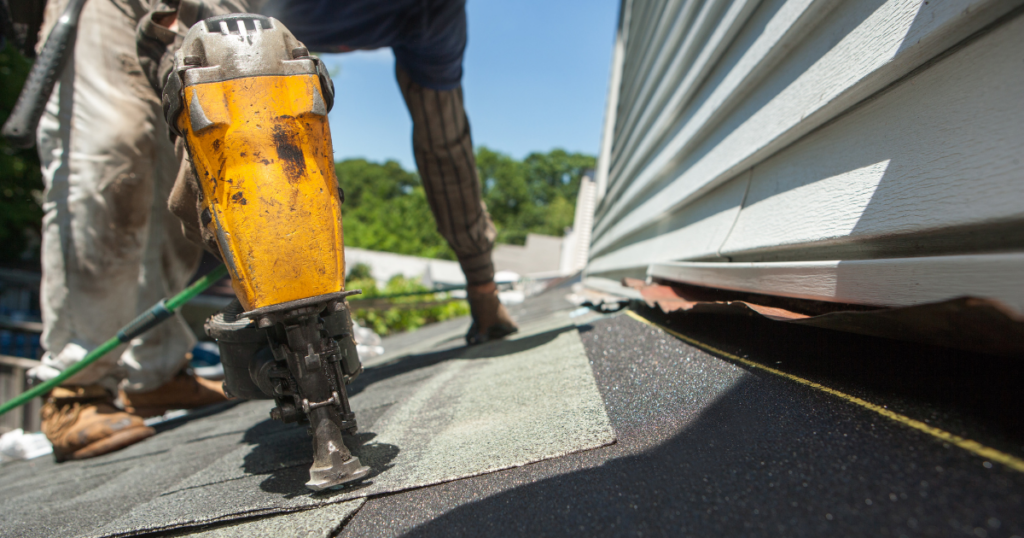
You’re looking up at your home’s aging roof with a mix of concern and determination.
After years of weathering storms, the shingles have faded and warped.
You know it’s time for a change, not just to safeguard against the next winter but to enhance your home’s energy efficiency and curb appeal.
It’s time for a roof replacement.
So, how do you prepare for one?
This is a journey that many homeowners embark on, filled with decisions about materials, costs, and timing.
If you’re preparing for a roof replacement, this guide is tailored for you, outlining each step to transform this daunting task into a manageable project.
What you’ll find in this guide:
- Picking the right contractor for your roof replacement
- Getting your roofing finances in order
- Preparing your home for your roof replacement
Picking the right contractor for your roof replacement
Make sure your contractor is fit for the job
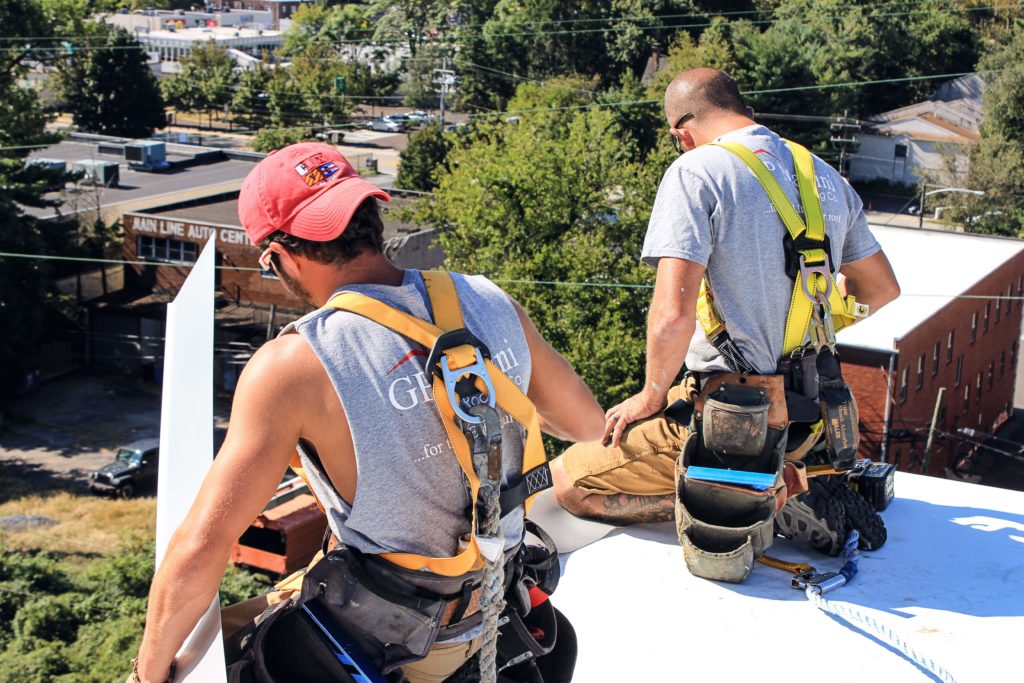
Confirm that your contractor:
- is licensed to perform roof replacements in your area
- carries insurance to protect against accidents or damage to your property
Request and check references to gauge the contractor’s experience and reliability. Checking references and reviewing past projects provides insight into the contractor’s reliability, quality of work, and customer service.
Inquire about the contractor’s methods for debris disposal and property protection. Reliable contractors have systems in place to minimize mess and disruption.
Finding a strong warranty
More often than not, your roof’s warranty will come from your contractor—so it’s important to choose the right one. Extended and workmanship warranties depend on your contractor, while manufacturer warranties vary with your chosen brands and materials.
Material and Labor Warranties
Ensure you understand what the warranties cover and how long they last. Warranty activation may require paperwork or online registration.
Maintenance for Warranty Validity
Regular maintenance is essential to keep your warranty valid.
Discuss with your contractor the specific maintenance they recommend for your new roof.
Getting your roofing finances in order
What goes into the total cost of a roof replacement
The total cost of your roof replacement is broken down into these key components:
- Labor: This is a significant portion of the total cost. It includes the removal of the old roof, preparing the work area, installing the new roof, and cleanup.
- Materials: The type of roofing material you choose (asphalt shingles, metal roofing, slate, etc.) significantly affects the price. Higher-quality or specialty materials cost more.
- Size and Complexity of the Roof: Larger roofs and those with more complex designs (e.g., multiple levels, steep slopes, skylights, or chimneys) require more time and materials to replace, increasing the cost.
- Permits: Depending on your location, you need to obtain permits for a roof replacement, which adds to the cost.
Requesting a Detailed Quote
Ensure the quote includes all potential expenses, including materials, labor, permits, and waste disposal, so as to minimize the surprise of hidden costs.
Ask for the quote in writing to have a clear record of what is included and any potential additional costs.
Financing your new roof with different types of loans
Contractor Financing: Some roofing companies offer financing plans, which are convenient but could have higher interest rates. Understand the terms, such as interest rates, monthly payments, and loan length.
Home Equity Loans or Lines of Credit: These allow homeowners to borrow against the equity in their homes, often at lower interest rates than personal loans or credit cards.
Choosing the Right Financing Option
Consider the interest rates, repayment terms, and any fees associated with the financing option.
Determine how the monthly payments fit your budget without compromising other financial goals.
What can be covered by insurance?
Review Your Policy
Contact your insurance provider before starting the project to understand what roof repairs or replacements are covered.
Some replacements could be covered under your policy, especially if damage is storm-related.
Documentation and Claims
Take “before” photos of your roof and document any existing damage.
If you need to file a claim, detailed documentation is invaluable.
Your roofing contractor should assist in providing the necessary estimates and documentation for insurance purposes.
Preparing your home for your roof replacement
Gauging how long your replacement will take
Roof replacements take 1-2 days, depending on the roof size and material complexity.
Contractors accommodate your schedule, aiming to minimize household disruption. Discuss with your contractor the best time for the work to proceed, considering your family’s schedule and any events that the construction could disrupt.
Set expectations by talking with your contractor
Establish a clear point of contact for the duration of the project. Knowing who to contact for updates or concerns keeps communication clear.
Discuss how the contractor will inform you of progress and any issues. Regular updates on the project’s progress help manage expectations and keep you informed of any changes or delays.
Understand the procedure for requesting changes once the project is underway. Flexibility varies between contractors, so it’s crucial to have clear communication about how changes are handled.
Securing items around the outside of your house
Provide contractors with unobstructed access to your roof.
This means moving these items away from the work area:
- vehicles
- patio furniture
- grills
- children’s toys
Ideally, create a buffer zone of at least 15 to 20 feet around your house.
Preparing landscaping and outdoor features for your roof replacement
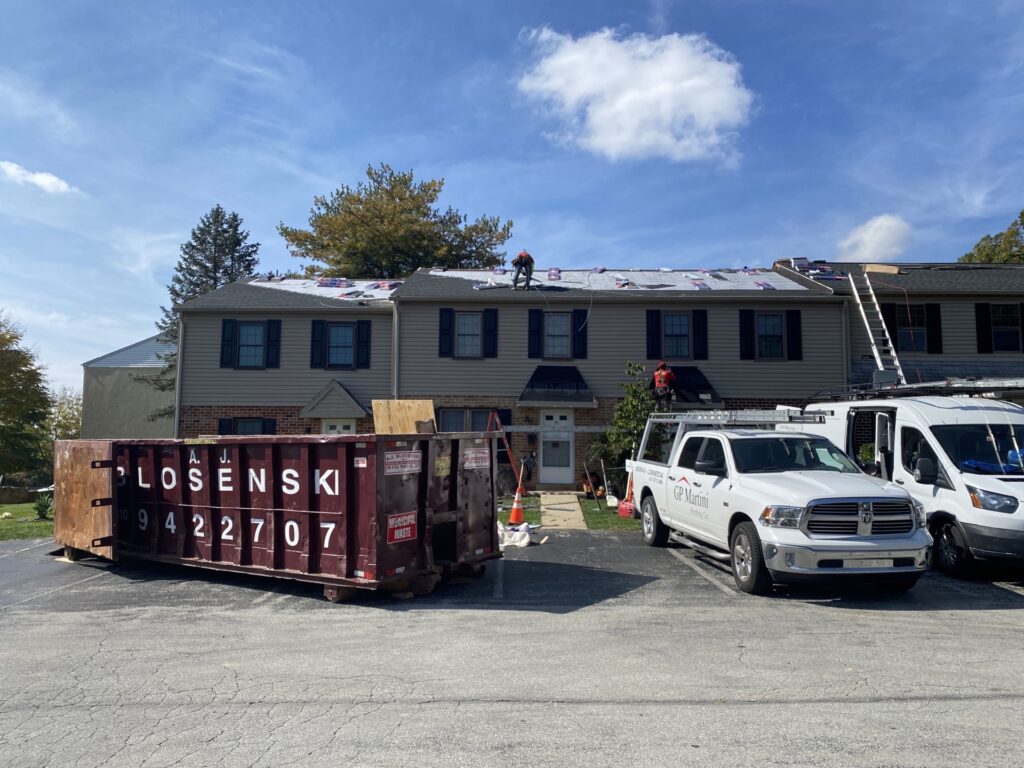
Your roofer will cover plants, gardens, and decorations with tarps or protective sheeting.
For high-value plants or immovable features close to the house, discuss with your contractor any specialized protection measures to implement.
Let your contractor know about the best access points to minimize disruption to your landscaping. Strategically placing dumpsters and material deliveries protects your garden and lawn.
If you have underground sprinkler systems, mark and turn them off to avoid accidental damage.
How to prepare and protect your attic
Personal Items
Roof replacement dislodges dust or small debris with all the hammering and drilling, so covering belongings with tarps or plastic sheeting is wise.
Consider temporarily relocating valuable items. This is especially important if the roof damage has compromised the integrity of the ceiling. Any ceiling fixtures stay where they are unless the ceiling is being repaired (just make sure they function properly afterward).
Ventilation and Insulation
Ask your contractor to assess the current state of your attic’s ventilation and insulation.
They’ll recommend improvements or adjustments to be made during the roof replacement process.
- Insulation Types: Batt insulation, loose-fill, or spray foam
- Ventilation Types: Ridge vents, soffit vents, and gable vents
Roof Replacement with GP Martini Roofing
GP Martini Roofing offers a comprehensive range of services tailored to meet your specific needs.
From selecting the right materials to providing detailed quotes and flexible financing options, we ensure a seamless and satisfying roof replacement experience.
Our licensed and insured team is equipped to handle any challenges, ensuring your project is completed efficiently and effectively.
Ready to take the next step in protecting and enhancing your home?
Contact GP Martini Roofing today!
FAQs
How do I prepare for a Reroof?
To prepare for a reroof, clear the area around your house to provide contractors with unobstructed access. Move vehicles, patio furniture, and outdoor decorations.
Inside, remove or cover items in the attic to protect them from dust. Inform your contractor of special considerations, such as landscaping or sprinkler systems.
What happens if it rains while getting a new roof?
If it rains while getting a new roof, contractors pause the installation and cover the roof with a waterproof tarp to protect your home from water damage. Work resumes once conditions are safe and dry enough to continue.
How messy is getting a new roof?
Getting a new roof can be quite messy. Contractors remove the old roof, generating debris and dust.
However, reputable companies clean up the work area daily, and upon completion of the project, they remove all debris and use magnets to collect nails from your yard.
What time of year is best to replace a roof?
The best time to replace a roof is during the spring or fall. These seasons typically provide the ideal weather conditions for roofing installations – moderate temperatures and minimal rain.
However, professional roofing companies perform replacements year-round, weather permitting.