Why You Need a Roofing Cleanup Job Done Right
The last nail is hammered, and the final shingles are laid.
The echo of construction work fades, leaving behind a new roof and…a mess.
A once pristine lawn now hosts a blend of debris like old shingles and nails.
In this piece, we’ll go over why a professional cleanup after a roofing job is a critical step in safeguarding your property and your investment.
What to know about the roofing cleanup process:
The Essentials of a Professional Roofing Cleanup
Here’s what you should expect from a thorough cleanup process.
Removal of Debris and Materials
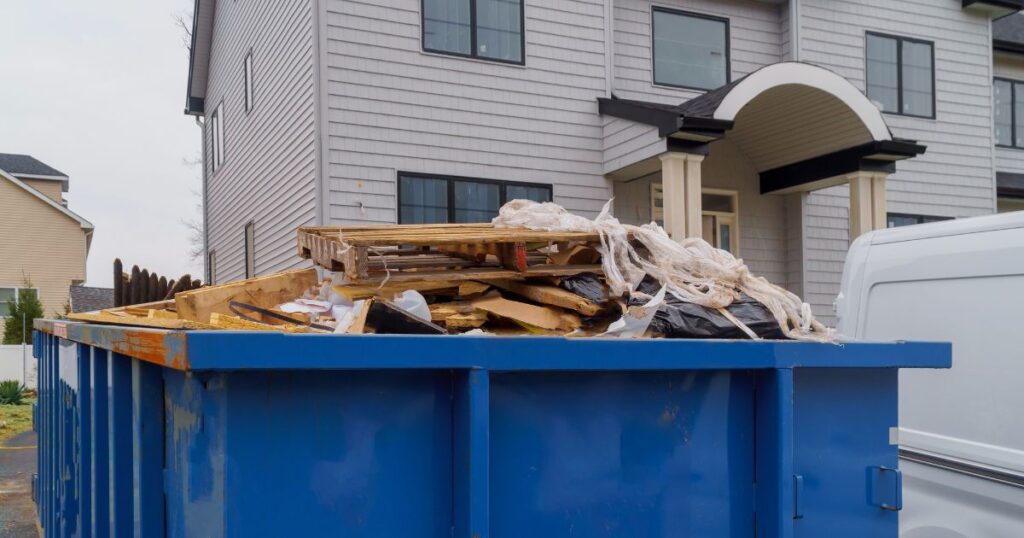
Once the roofing job is complete, the first task for the crew is to remove all leftover debris.
This includes not just the obvious materials like old shingles and underlayment but also small items.
Every nail, scrap of wood, and bit of packaging material needs to be cleaned up.
These materials scatter across your property—on your driveway, lawn, and around your home’s perimeter.
A top-tier roofing crew will systematically go through these areas to collect every piece.
Use of Specialized Tools: Magnetic Sweepers
One tool that stands out in professional cleanups is the magnetic sweeper.
These are heavy-duty devices used to scan over surfaces and pick up metal objects, primarily nails and screws.
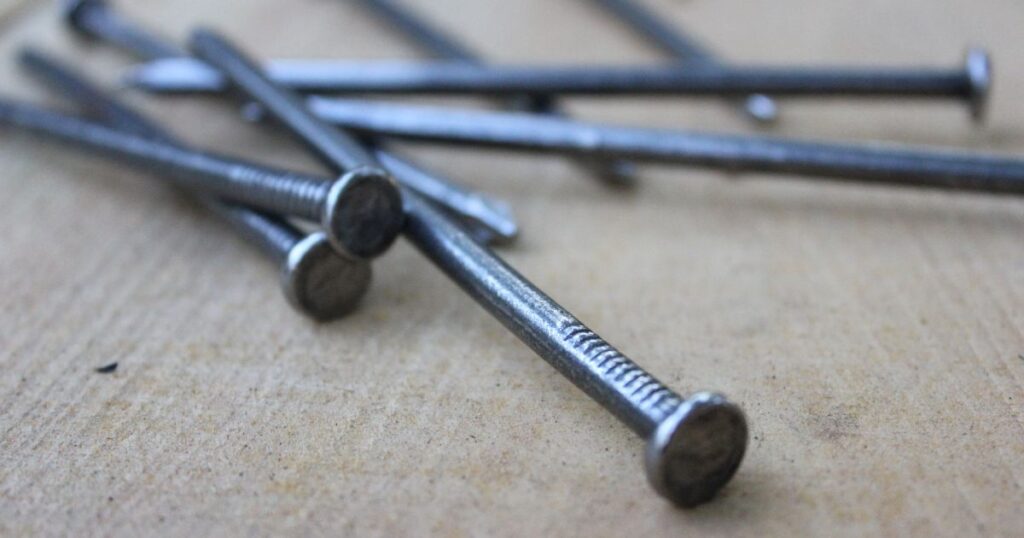
Nails, in particular, pose a significant risk if left behind.
The magnetic sweeper ensures that even these small, hidden hazards are removed.
Gutter and Downspout Clearing
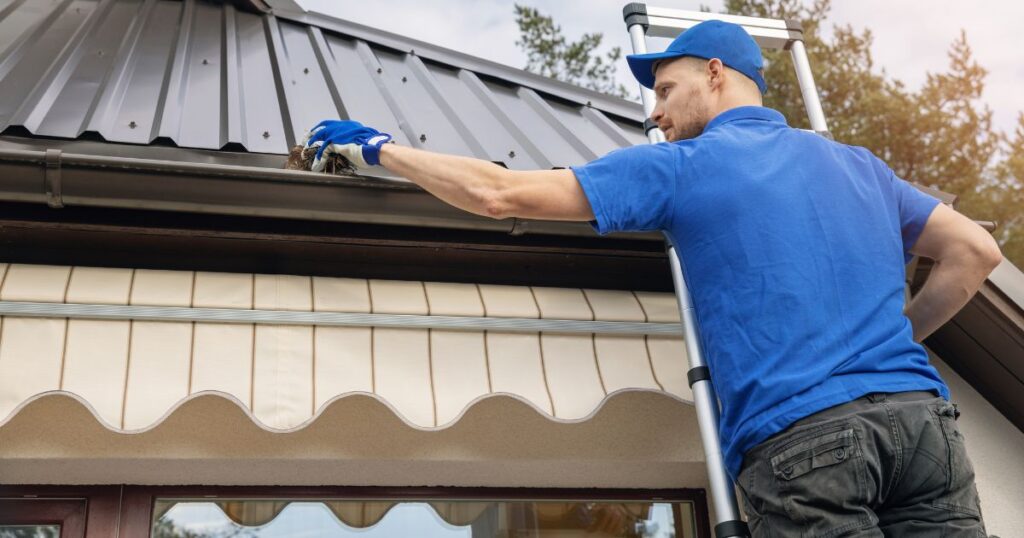
Roofing work often dislodges debris, old shingles, and small pieces of material that end up clogging your gutters and downspouts.
If left unaddressed, this causes water drainage problems, leading to roof and foundation damage.
A good roofing crew will inspect and clear your gutters to make sure they are functioning.
Attention to Landscaping and Outdoor Features
During roofing projects, materials and debris end up on your lawn, flower beds, or even in your pool.
Professional crews take precautions to ensure no damage is done to these areas.
Any tarps or protective coverings placed over plants and bushes will be carefully removed.
Proper Disposal of Waste Materials
A responsible roofing contractor will ensure that all materials are disposed of properly.
This includes sorting materials for recycling, particularly asphalt shingles, metal flashing, or other recyclable materials.
Proper disposal helps reduce landfill waste and minimizes the project’s environmental impact.
Final Walkthrough
A truly professional roofing crew will conduct a final walkthrough with you to ensure that every part of the cleanup meets your expectations.
This step ensures accountability and provides you with the opportunity to raise any concerns before they leave the site.
The Risks of an Inadequate Roofing Cleanup
Inadequate cleanup after roofing work introduces a range of hazards that compromise safety and functionality.
Physical Hazards: Nails and Sharp Debris
Nails easily find their way into gutters, lawns, driveways, and garden beds during a roofing project.
Stepping on a stray nail or metal shard leads to painful puncture wounds, while debris left in the driveway damages tires or lawnmower blades.
Ensuring that all materials, no matter how small, are removed is essential for keeping your home environment safe.
Functional Risks: Blocked Gutters and Water Damage
Blocked gutters create a domino effect.
Water that can’t properly drain will overflow, seeping under the roof’s protective layers or pooling around the base of your home.
This results in water damage to your roof’s underlayment, interior leaks, or even basement flooding.
Pest Problems: An Invitation for Unwanted Guests
Piles of leftover materials provide shelter for rodents, birds, and insects.
Rodents, in particular, gnaw through electrical wires or damage insulation if they find their way inside your home.
Moreover, roofing debris left around gutters and downspouts contributes to standing water, attracting mosquitoes and other insects.
Signs of a Professional-Grade Roofing Cleanup
A well-executed cleanup job means you shouldn’t be able to tell that contractors were there.
Look for these signs:
- the ground looks exactly as it did before the crew began working
- gutters and downspouts are clear and draining properly
- your yard, driveway, and walkways are neat and spotless
- all waste is disposed of properly—no unsightly piles at the curb
- landscaping and outdoor features are left completely untouched
Ensuring Cleanup in Your Roofing Contract
While many roofing contractors include basic cleanup as part of their service, the definition of “cleanup” varies between companies.
Some crews consider picking up large debris sufficient, while others will go the extra mile by clearing gutters, running magnetic sweepers, and disposing of waste off-site.
This is why it’s vital to specify exactly what you expect in terms of cleanup before the job begins.
Start by having a detailed conversation with your contractor about the scope of the cleanup.
Ask questions such as:
- Will the team remove all debris, including nails and small materials?
- Will they clean the gutters and inspect for clogs?
- How will waste be disposed of, and will it be removed from the site?
- Will the landscaping be protected and restored?
Once these points are discussed, ensure each detail is included in the written contract.
A well-documented agreement removes ambiguity about who is responsible for the post-job cleanup and sets standards for the crew.
What Should Be Included in the Cleanup Clause?
A thorough cleanup clause in your contract should outline specific tasks that the contractor is expected to meet.
By ensuring cleanup is part of the contract, you have a formal, legally binding document to back your claims if the job isn’t up to par.
Here’s what the cleanup clause might include:
- Removal of all debris
- Magnetic sweeping
- Gutter and downspout cleaning
- Waste disposal
- Landscaping care
Handling an Unsatisfactory Roofing Cleanup
Even with a well-drafted contract, sometimes the cleanup doesn’t meet your expectations.
When that happens, it’s important to address the issue immediately and professionally.
Here’s how to handle it with confidence.
Step 1: Document the Issues Thoroughly
Before addressing the contractor, you need to have concrete evidence of what went wrong.
Start by documenting the problem areas.
Take clear photos of any debris left behind, uncollected materials, or any damage caused during the job.
Make sure the pictures are time-stamped to show they were taken immediately after the project was completed.
The more thorough your documentation, the easier it is to demonstrate the extent of the unsatisfactory cleanup.
Step 2: Communicate Directly with the Contractor
Once you have clear documentation, the next step is to communicate with the contractor.
Most reputable roofing contractors will address issues promptly, but it’s important to approach the conversation in a constructive manner.
Start by referencing the agreed-upon terms in your contract regarding the cleanup.
Clearly outline the specific issues and reference the evidence (e.g., photos) you’ve collected.
Be firm but polite, giving the contractor the opportunity to correct the problem.
Step 3: Give the Contractor a Chance to Rectify the Issue
Once the contractor is aware of the problem, most professionals will take quick action to resolve it.
Agree on a specific timeframe for when the issues will be resolved.
You can also request a follow-up walkthrough afterward to ensure that everything has been addressed.
Step 4: Escalating the Issue if Necessary
If the contractor refuses to rectify the problem, you may need to take further steps.
Start by escalating the issue to the company’s management, if applicable.
If the problem persists and your requests are ignored, you have additional avenues to explore:
- file a complaint with a local Pennsylvanian consumer protection agency or the Better Business Bureau (BBB)
- consult an attorney
- post a review online
GP Martini Roofing Cleans Up Right the First Time
A roofing project should leave your home in better shape than when your roofing contractor arrived.
We know that you’ve invested in both the aesthetics and protection of your home.
By choosing GP Martini Roofing, you’re choosing a roofing partner who understands the full scope of a successful project—down to the cleanup.
Trust us to protect and respect your home from start to finish.
Contact GP Martini Roofing today!

FAQs
How messy is getting a new roof?
Roofing projects can be quite messy due to the removal of old shingles, nails, underlayment, and other materials.
Debris can scatter across your yard and driveway, but a professional crew will take measures to contain the mess, clean up thoroughly afterward, and leave your PA property looking spotless once the job is finished.
Why does my house smell after getting a new roof?
The smell you notice after getting a new roof often comes from the asphalt in the shingles or other roofing materials. When exposed to sunlight and heat, these materials can emit odors. While the smell may be noticeable at first, it typically fades over time as the materials cure and the roof settles.
What do roofers use to clean up nails?
Roofers typically use magnetic sweepers to collect nails and other metal debris after a job. These sweepers are rolled over the ground to attract and pick up stray nails, ensuring no sharp objects are left behind in the yard, driveway, or garden, reducing the risk of injury or damage.