Best Practices for Metal Roof Maintenance
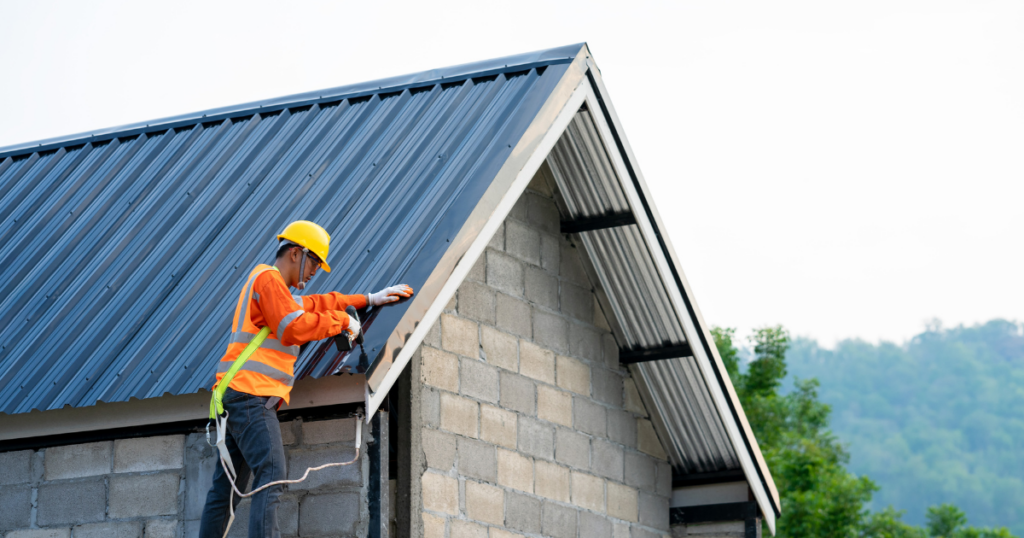
Your metal roof is a beast.
It handles wind, snow, hail, and rain with ease—but it isn’t invincible.
So don’t forget to give your roof a little TLC every once in a while!
Metal roofs have unique maintenance needs, although minimal, to keep them performing beautifully in all seasons.
What to know about maintaining your metal roof:
- How Often You Should Inspect Your Metal Roof
- The Best Way to Clean a Metal Roof
- How to Prevent Rust and Corrosion on a Metal Roof
- How to Protect Your Metal Roof from Tree Branches
- Signs That Your Metal Roof Needs Repairs
- Ensure the Fasteners on Your Metal Roof Remain Secure
- How to Handle Minor Dents or Scratches on a Metal Roof
- The Lifespan of a Metal Roof with Regular Maintenance
How Often You Should Inspect Your Metal Roof
Inspecting your metal roof twice a year—ideally in spring and fall—is the best way to stay ahead of potential issues.
Pennsylvania’s weather makes this timing especially important, as spring inspections follow winter snow and ice, and fall checks prepare your roof for the cold months ahead.
In addition to these routine inspections, it’s wise to perform a quick visual check after severe weather events like snowstorms, hail, or high winds.
While homeowners can conduct basic inspections—looking for obvious issues like visible rust, missing screws, or bent panels with binoculars from ground level—professional evaluations are invaluable.
Roofing experts have the tools and expertise to detect subtle damage missed during a DIY assessment.
The Best Way to Clean a Metal Roof
Start with a gentle approach—use a soft-bristle brush or broom to remove loose debris like leaves, twigs, or dirt.
For more stubborn grime, algae, pollen, or mildew, mix warm water with a mild, non-abrasive detergent. Adding a small amount of white vinegar to your cleaning solution can effectively combat algae as well.
Apply this solution with a low-pressure sprayer or a soft sponge to avoid scratching the roof’s surface or stripping its protective coating.
Avoid harsh cleaning tools or chemicals.
- pressure washers can cause dents or peel off protective coatings
- abrasive brushes or scouring pads can leave scratches that expose the metal to rust
Stick to biodegradable, water-based cleaners formulated specifically for metal roofs.
Safety is key when cleaning a metal roof. Its smooth surface becomes slippery, especially when wet.
Use safety harnesses if climbing onto the roof, or better yet, hire a professional to handle the cleaning.
How to Prevent Rust and Corrosion on a Metal Roof
While most metal roofs are treated with protective coatings to resist rust, consistent maintenance ensures this protection remains effective.
Over time, a roof’s factory-applied protective coating wears thin.
Consider having a professional recoat your roof with weather-resistant paint or sealant every 10–15 years.
Products with UV protection are especially beneficial, as they prevent sun damage that weakens the roof’s surface and makes it more susceptible to rust.
In climates prone to high humidity or frequent rainfall, anti-corrosion sprays or primers add an extra shield against moisture.
These treatments bond to the metal surface, forming a barrier that prevents water and oxygen—the two culprits of rust—from reaching the metal.
How to Protect Your Metal Roof from Tree Branches
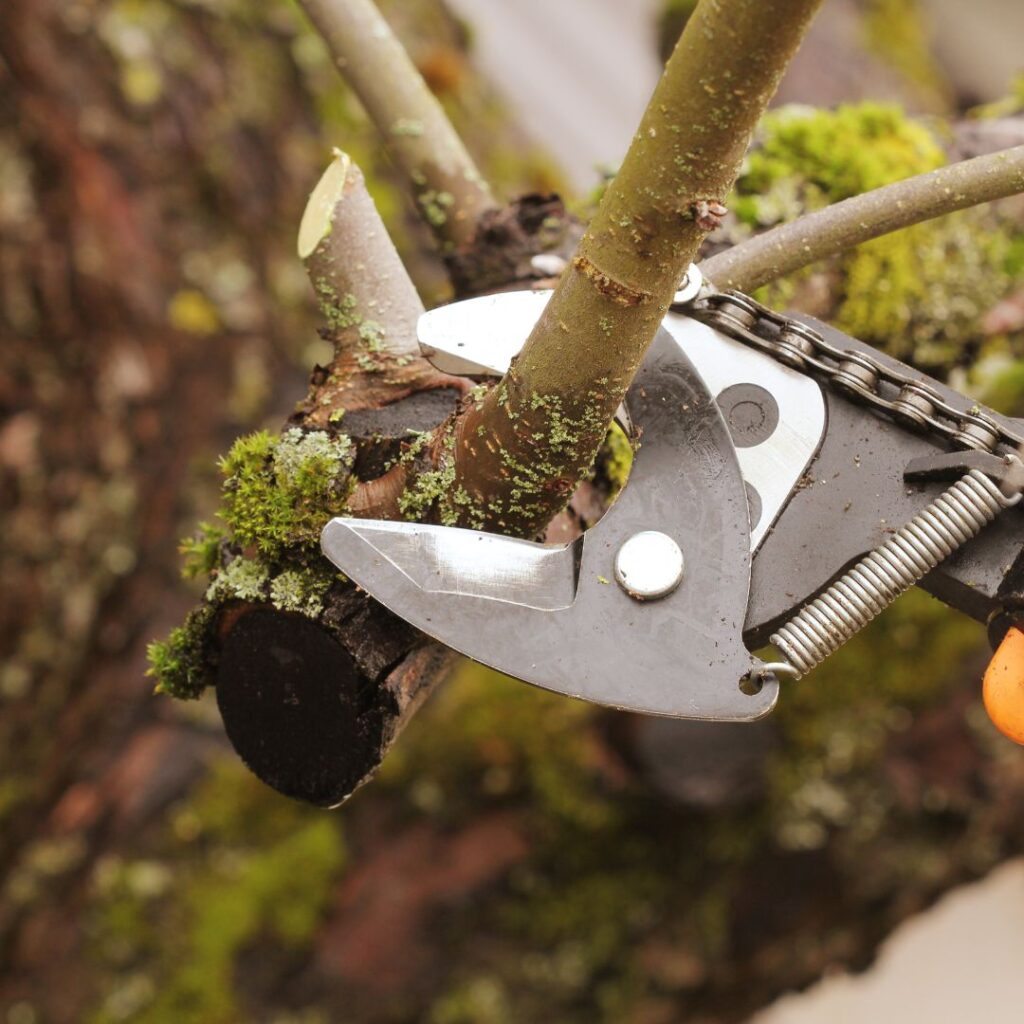
Tree branches are common culprits of roof damage, especially during Pennsylvania’s stormy seasons.
Overhanging branches can scrape against the roof, damaging the protective coating or even denting the metal.
Trim back branches so they’re at least 6–10 feet away from your roof.
If you have large, mature trees near your property, consider scheduling an arborist to inspect their health.
Weak or diseased branches are more likely to break during storms, posing a greater risk to your roof.
Signs That Your Metal Roof Needs Repairs
Even minor issues snowball into more significant problems if left unchecked.
If you notice any of these warning signs, don’t delay in addressing them.
A few telltale signs indicate your roof needs attention:
Loose or Missing Fasteners
Fasteners hold your metal panels securely in place, and over time, they can become loose or fall out due to:
- expansion
- contraction
- weather events
Missing fasteners leave your roof vulnerable to wind uplift, water infiltration, and structural instability.
Pay close attention to areas near edges and joints, where fastener wear is most common.
Small Leaks or Water Stains Inside the Home
Even minor leaks can signal a bigger issue with your roof.
Water stains on ceilings or walls indicate that moisture is making its way past the roof’s protective layers.
Leaks can quickly worsen and cause damage to insulation, drywall, or framing.
Discoloration or Peeling of the Protective Coating
The protective coating on your metal roof plays a vital role in preventing rust and corrosion.
Discoloration, peeling, or chalking on the surface is a sign that this barrier is breaking down, leaving the metal exposed to the elements.
Warped or Dented Panels
Panels that are visibly warped, bent, or dented may have been impacted by debris, wind, or even foot traffic during maintenance.
Warped panels compromise the roof’s ability to shed water properly, while dents trap moisture, increasing the risk of rust.
Gaps or Damage in Flashing and Seals
Flashing and sealant protect vulnerable areas like:
- chimneys
- skylights
- roof edges
Cracks in sealant or gaps in flashing allow water to seep beneath the roof, leading to leaks and structural damage.
Ensure the Fasteners on Your Metal Roof Remain Secure
Fasteners hold the entire system of your metal roof in place against wind, rain, and temperature fluctuations.
Fasteners near roof edges, ridges, and valleys are more prone to loosening due to wind pressure and water flow.
Fastener Repair
If you notice any screws or fasteners starting to back out, use a screwdriver or drill to tighten them gently.
Over-tightening can damage the roofing panels or strip the fastener threads, so aim for a firm but not overly tight fit.
If the fastener doesn’t hold securely, it may indicate damage to the underlying material, requiring replacement.
Fastener Replacement
Fasteners that are rusted, bent, or stripped should be replaced promptly to prevent leaks or panel detachment.
Use fasteners that match your roofing system, such as stainless steel or galvanized options, which resist corrosion and provide a durable hold.
Check your roof’s manufacturer guidelines to ensure you’re using compatible materials, as mismatched fasteners can void warranties.
If you find multiple loose fasteners or suspect damage to the roof decking, it’s time to call in a professional.
How to Handle Minor Dents or Scratches on a Metal Roof
Minor dents and scratches on your metal roof seem cosmetic, but addressing them promptly helps preserve your roof’s integrity and longevity.
If dents or scratches span a large area or compromise the roof’s structural integrity, it’s time to call in the experts.
Here’s how to handle these common issues effectively:
Fixing Small Dents
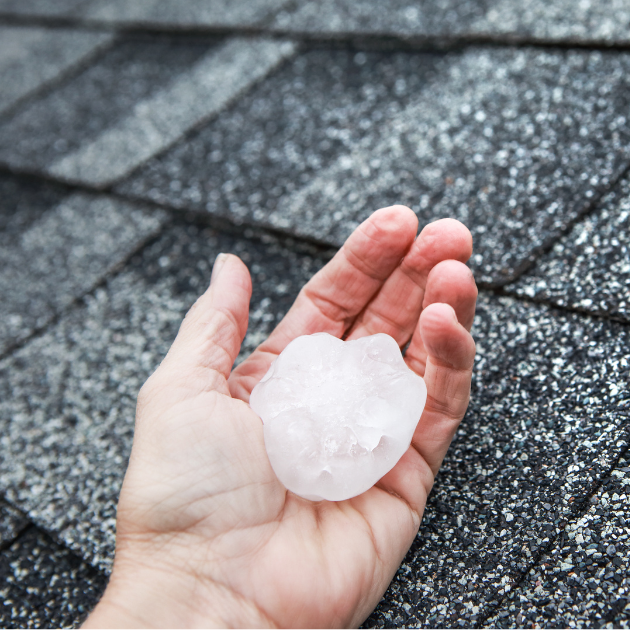
For minor dents, such as those caused by falling branches or hail, you can restore the panel’s shape on your own.
A suction cup dent puller—commonly used for car repairs—works wonders.
Treating Scratches
Scratches on a metal roof are more than just aesthetic—they expose the underlying metal to moisture and increase the risk of rust.
Start by cleaning the scratched area with soap, water, and a soft cloth to remove dirt or debris.
Once dry, apply touch-up paint or a color-matched sealant designed for metal roofs.
The Lifespan of a Metal Roof with Regular Maintenance
A well-maintained metal roof is a true investment in durability, outlasting other roofing materials by decades.
Routine maintenance is key to maximizing your metal roof’s lifespan.
Simple tasks like clearing debris, preventing rust, and addressing minor issues early prevent small problems from becoming costly repairs.
The type of metal also plays a role in longevity:
- Steel Roofs: Last 40-60 years with regular maintenance, including rust prevention and repainting when necessary.
- Aluminum Roofs: Known for their resistance to rust, aluminum roofs last 50 years or more with minimal upkeep.
- Copper Roofs: The premium choice, copper roofs last over 70 years and develop a patina that enhances their durability.
Without regular upkeep, even the most durable metal roof develops issues like corrosion or loose fasteners, which shortens its lifespan.
Make Your Metal Roof Last With GP Martini Roofing
A metal roof is a durable, long-term investment that protects your home while enhancing its aesthetic appeal.
To maximize its lifespan and performance, regular maintenance and expert care are essential.
At GP Martini Roofing, we’re proud to offer comprehensive metal roofing services tailored to the unique needs of Chester County homeowners.
Trust us to keep your metal roof strong, energy-efficient, and visually stunning for years to come.
Contact GP Martini Roofing today to schedule your consultation.
FAQs
What kind of maintenance is needed on a metal roof?
Regular maintenance for a metal roof includes inspections twice a year to check for loose screws, rust, or damaged panels. Cleaning debris with a soft brush and addressing scratches with touch-up paint or sealant helps maintain its protective coating. Promptly repairing minor issues prevents long-term damage and ensures peak performance.
What is the biggest problem with metal roofs?
One common issue with metal roofs is thermal expansion, which can cause screws or panels to loosen over time. Improper installation may exacerbate this problem. Additionally, scratches or dents from debris can lead to rust if left untreated, so regular maintenance is key to minimizing these risks.
How often should you change screws on a metal roof?
Metal roof screws should be inspected twice annually and replaced as needed. Typically, screws last around 10-15 years, but their lifespan depends on weather exposure and roof movement. Upgrading to corrosion-resistant screws when replacing them can improve durability and protect against leaks caused by loose fasteners.
How can I make my metal roof last longer?
To extend your metal roof’s lifespan, conduct regular inspections, keep the surface clean of debris, and reapply protective coatings as needed. Maximize durability and resistance to weather-related damage by:
- trimming nearby branches to prevent scratches
- addressing minor issues like loose screws immediately
- ensuring professional installation
- inspecting twice annually and after storms