The Best Roof Structures for High Wind Areas
What You’ll Learn
What type of roof structure performs best in high-wind areas?
Certain roof shapes and fastening methods are much better at resisting wind uplift.
Features like hip roofs, stronger connections, and proper bracing help reduce the chances of wind-related damage.
In This Blog:
Montgomery County is no stranger to powerful wind gusts.
They can tear tree branches and hurl debris through the air.
Some homeowners even wake up to shingles scattered across their yards in this part of Pennsylvania.
A strong roof structure is essential for protection, especially if you live in a wind-prone area.
What Makes a Roof Strong Enough to Withstand High Winds?
A roof capable of withstanding high winds involves strategic bracing and precise installation.
Here are the structural elements that help fortify a roof against powerful winds:
Structural Elements
Roof Bracing
Well-designed bracing helps to distribute wind pressure across the entire roof, preventing isolated stress points that lead to weaknesses.
Trusses and cross-bracing reinforce key areas, minimizing the likelihood of sections lifting off under intense wind gusts.
In high-wind areas, reinforced bracing is an upgrade that adds strength and stability to the roof.
Roof Decking and Sheathing
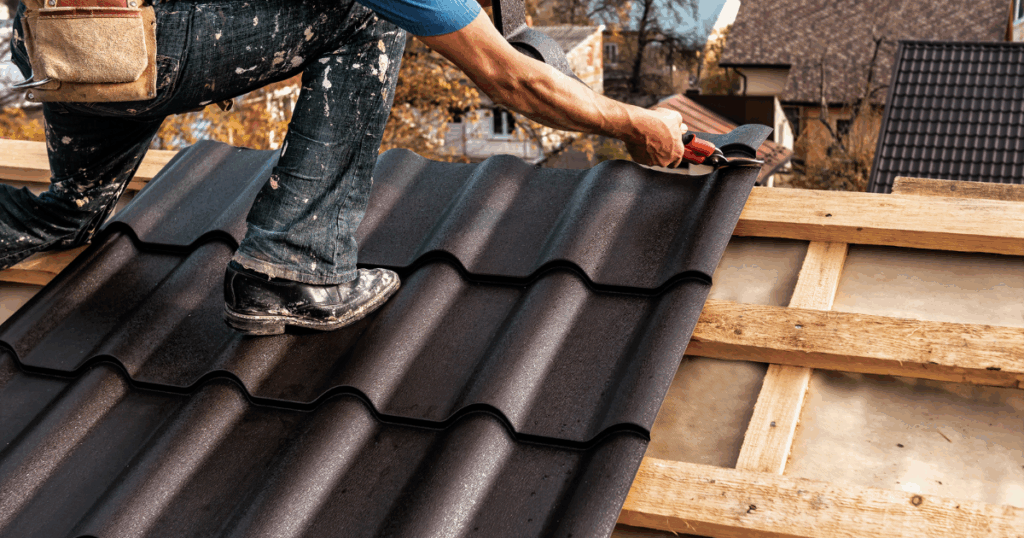
The sheathing, or the layer of plywood or similar material beneath the roof’s outer surface, plays a role in resisting wind uplift.
In high-wind-prone areas, thicker sheathing (often plywood at least 5/8 inch thick) provides better support than thinner materials.
Proper sheathing installation—secured tightly to the roof frame with wind-rated fasteners—ensures a stronger base for shingles or metal panels.
Material Components
Secure Fasteners and Fastening Techniques
High-quality fasteners, like nails or screws specifically rated for wind conditions, outperform staples, which can pull out under stress.
Double-nailing techniques, which involve using two nails at key points on each shingle, create a firmer hold.
Additionally, hurricane straps or clips, which secure the roof to the walls, add an extra level of stability.
Durable, Wind-Resistant Materials
Metal roofing, known for its interlocking design and ability to withstand high speeds, is an excellent choice for wind-prone regions like Montgomery County.
Similarly, impact-resistant shingles are designed to handle both wind and debris.
Both of these materials outperform traditional asphalt shingles in high-wind situations.
How Different Roof Shapes Perform in High Winds
The right roof shape is a strategic way to improve wind resistance.
Here is how different shapes perform in high winds:
Hip Roofs

Unlike gable roofs, which have two slopes, hip roofs slope downward on all four sides.
This even distribution of slopes deflects wind more effectively, minimizing the chance of uplift that causes serious roof damage during high gusts.
Each slope of a hip roof meets at the roof’s peak, which eliminates the flat vertical face found in gable roofs—a feature that reduces direct wind pressure.
Gable Roofs
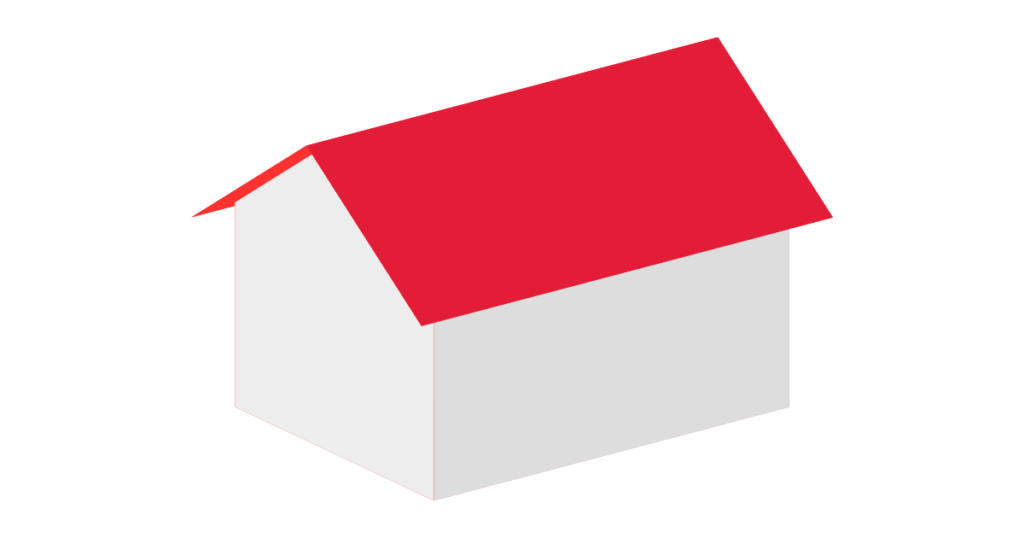
While gable roofs are common, they aren’t naturally as wind-resistant as hip roofs because their vertical faces catch the wind.
However, reinforcing a gable roof with bracing or securing additional support improves its performance in wind-prone areas.
Dormer Roofs

Dormers, which extend from the main roof to create additional space or windows, add character but introduce vulnerabilities in high-wind areas.
Adding bracing and securing the dormer flashing helps minimize wind pressure points, improving the wind resilience of dormer features on the roof.
Hip & Valley Roofs

Hip & valley roofs combine the wind-resistant qualities of a hip roof with additional valleys where different roof planes meet.
This design provides multiple slopes, deflecting wind from various angles.
However, the valleys can be more prone to water accumulation and should be well-sealed to maintain durability in high winds.
Flat Roofs
While flat roofs are more common in commercial settings, their ability to resist wind uplift has made them an option to consider for homeowners alike.
Because flat roofs lack angles and ridges, there’s less opportunity for wind to lift or pull at the edges.
For residential properties, low-sloped or semi-flat roofs can offer similar advantages.
Warning Signals that Your Roof isn’t Ready for High Winds
A few inspection points can reveal whether your roof is resilient against high winds or if it could benefit from upgrades.
Be sure to have binoculars handy so you can spot these things safely from the ground!
Here’s what to look for:
Loose or Missing Shingles
When shingles are loose or entirely missing, they create gaps that allow wind to penetrate.
Missing shingles along the roof’s surface or especially at the roof’s edges are red flags; these areas are more susceptible to wind-driven lift.
Be on the lookout for shingles that appear lifted, curling, or have lost their granular surface, as these are signs that the adhesive or nails may no longer be secure.
Visible Wear on Fasteners and Flashing
Over time, fasteners can corrode, and flashing can become worn or loosened, especially in Pennsylvania’s humid, variable climate.
Rusted or exposed fasteners and flashing can be weak spots where wind sneaks in and compromises the roof’s integrity.
Inspect the Roof Decking from the Attic
The underside of your roof, or roof decking, plays a role in maintaining wind resistance.
Look for signs of damage, such as moisture stains or mold growth, which indicate structural weakness.
Warped or sagging roof decking is a strong indicator that your roof is not as wind-resistant as it should be.
Check for Deterioration in Sealants
Sealants are often used around flashing and roof penetrations to ensure water resistance.
However, these sealants can deteriorate over time due to UV exposure and temperature fluctuations.
Cracked or dried-out sealants allow wind to work its way underneath, creating weak points in your roofing structure.
Recommended Inspection Frequency for High Wind Areas
To keep your roof prepared for the demands of high winds, aim for a professional inspection at least once a year.
Additionally, consider pre-storm inspections to ensure that your roof is in optimal condition and can handle an upcoming weather event.
After a storm, a quick follow-up inspection helps catch any immediate issues, like loose shingles or debris buildup, that could lead to further damage if left unattended.
Getting Your Roof Ready for a High Wind Event
When high winds are forecasted, a few proactive steps can enhance your roof’s resilience.
Here’s how to prepare your roof to minimize risk:
Trim Overhanging Branches Near Your Roof
Branches that hang over your roof can quickly turn into a liability during wind events.
A good rule of thumb is to trim back branches to maintain at least six feet of clearance from your roof.
Clean Out Your Gutters
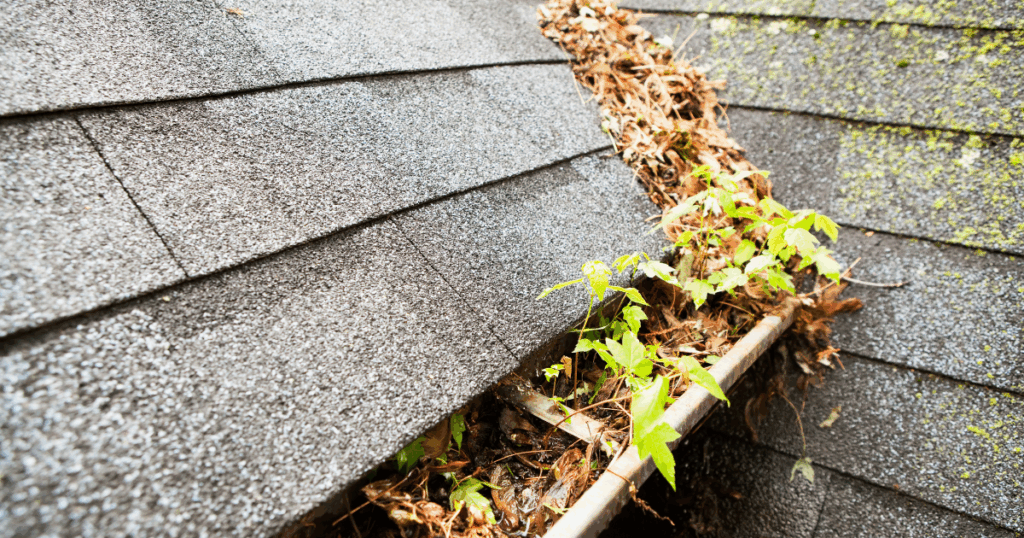
Clogged gutters add unnecessary strain to your roof and can lead to water buildup along the roof’s edge.
A quick gutter clean-out before a storm ensures smooth water flow, helping to protect both the roof and foundation by directing water away from your home.
Secure Exterior Objects That Could Become Windborne
Loose items such as patio furniture, garden tools, or even decorative yard items can become projectiles in high winds.
Taking a few moments to move these items indoors or secure them with straps can prevent unnecessary damage to your property.
Consider Temporary Tarping for Vulnerable Areas
If you’re aware of specific sections of your roof that may be particularly susceptible to wind or water intrusion, a temporary tarp offers a layer of extra protection.
Ensure the tarp is tightly anchored, as loose coverings actually create more wind-related issues if not applied correctly. If you’re unsure of how to do this, don’t hesitate to call a professional.
Common Signs of Wind Damage
After a heavy wind event, inspect your roof closely for signs of damage, as even minor issues can quickly escalate into costly repairs if left unaddressed.
Here’s what to look for:
Lifted or Missing Shingles
High winds can catch the edges of shingles, lifting or tearing them from the roof.
Missing shingles leave gaps in your roof’s defense, making your home vulnerable to leaks and structural issues.
Bent or Missing Flashing
When wind dislodges or bends flashing, it compromises your roof’s waterproofing and can lead to leaks.
Bent flashing might not be as noticeable from the ground, so it’s a good idea to either inspect close up or have a professional check it out after a windstorm.
Gutter Damage or Detachment
Wind can place significant stress on gutters, especially those at the roof’s edge.
Detached, bent, or damaged gutters indicate that the roof edges have been under strain, possibly pulling away from the structure.
Water Stains or Ceiling Leaks
Sometimes, the first sign of wind damage appears indoors.
If you spot new water stains on ceilings or walls, especially after a wind event, it could signal that wind has disrupted the protective layers of your roof, allowing water to seep through.
Brace for the Wind with GP Martini Roofing
Homes in Montgomery County are exposed to windstorms that put roofing structures to the test.
That’s why our team of experts assesses every aspect of your roof’s wind resistance, from the strength of the materials used to the installation techniques best suited for wind-prone areas.
Whether you’re looking for an inspection, a few targeted upgrades, or a full wind-resistant roofing system, GP Martini Roofing is here to help.
Protect your home with a roof that’s built to last—contact us for a Free Estimate.
FAQs
What is the most wind-resistant roof shape?
The hip roof is widely considered the most wind-resistant shape due to its slopes on all four sides, which help deflect wind and reduce uplift.
This design minimizes the pressure wind can exert on any single area, making it a strong choice for high-wind areas.
What is the strongest roof shape?
A hip roof is often regarded as the strongest due to its balanced slopes on all sides, which enhance stability and resistance to wind.
The pyramid shape of a hip roof evenly distributes structural stress, making it highly resilient in various weather conditions, including heavy rain, snow, and wind.
What is the best roof for extreme weather?
For extreme weather, a metal or impact-resistant shingle roof on a hip-shaped structure provides excellent protection.
Metal roofing is durable, fire-resistant, and able to withstand high winds and hail.
Impact-resistant shingles offer a similar level of protection. Together with proper bracing, this setup excels in extreme climates.
Are flat roofs better for high winds?
Flat roofs can handle high winds well if properly reinforced and maintained, but they aren’t typically recommended for residential areas with frequent severe weather.
While they resist uplift, they’re prone to water pooling. Low-sloped or hip roofs often offer better all-around performance in high-wind zones.