Fiber Cement vs. Vinyl Siding – Which is Better?
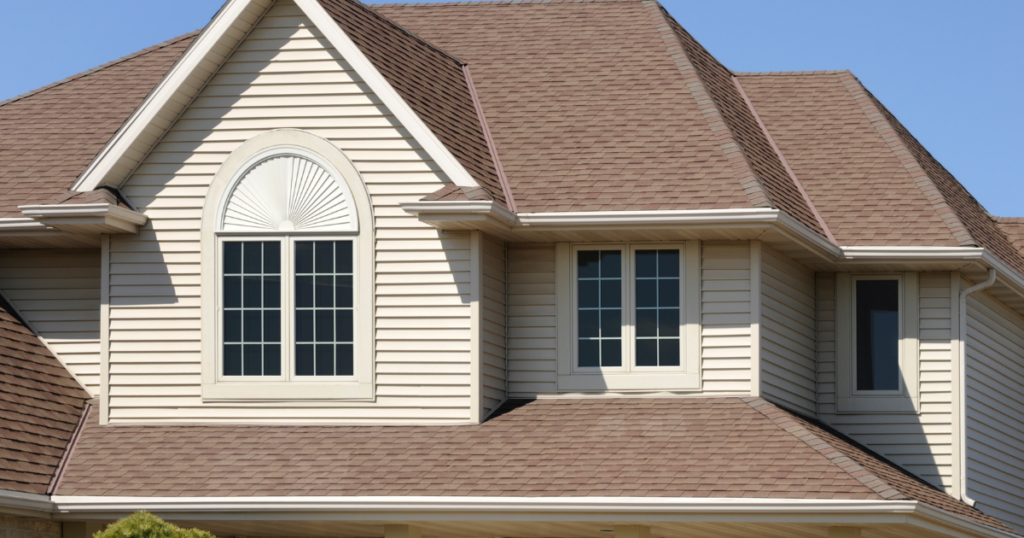
You’re in your backyard.
The sun is shining; the birds are chirping.
But there’s one thing ruining your gorgeous home—your siding.
It’s been weathered down into a warped mess over the years.
It’s time to upgrade so you can enjoy your home without the fear of siding getting whipped off during a windstorm or cracking and letting water seep in.
The two major options are fiber cement and vinyl siding. But which one is right for your home?
Breaking Down The Difference Between Fiber Cement and Vinyl Siding:
- Durability: Weathering the Storms
- Maintenance: Less Time on the Ladder, More Time Enjoying Your Home
- Up-Front Costs: Let’s Talk Initial Numbers
- Long-Term Investment: Planning for the Future
- Energy Efficiency: Keeping Your Home Comfortable All Year Long
- Appearance: Making Your Home Shine
Durability: Weathering the Storms
When it comes to siding, durability is one of the top concerns.
You want a siding that can withstand the elements and protect your home, not be hanging off after the first wind storm.
Winner: Fiber Cement
Fiber cement is a heavy-duty material. It’s made from a dense blend of cement, sand, and cellulose fibers.
This gives it a much higher resistance to extreme weather conditions. It is thick and sturdy, which helps it stand up to high winds, heavy rain, snow, and hail.
The durability of fiber cement is due to its inherent strength—cement provides lasting structure, sand adds weathering resistance, and cellulose fibers allow flexibility to resist cracking.
Fiber cement won’t rot, warp, or crack over time, and its fire resistance adds a layer of protection in case of a fire.
It’s the clear choice for long-lasting durability.
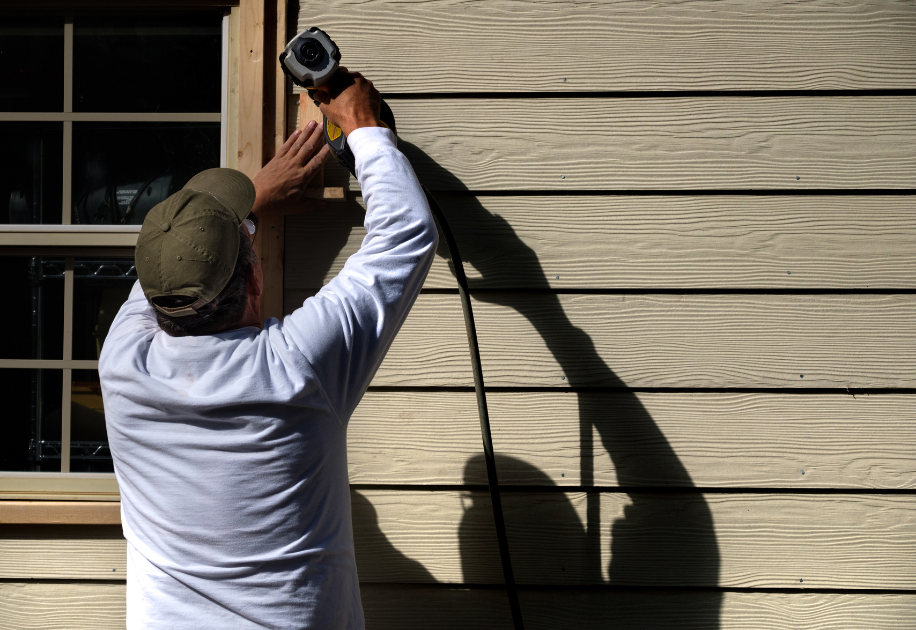
Vinyl Siding
Vinyl siding, on the other hand, is lightweight and flexible, which makes it easier to install but also more vulnerable to damage from extreme weather.
In particularly cold climates, vinyl siding can crack or warp, and while it’s water-resistant, it’s not as impervious to the elements as fiber cement.
While it’s less likely to be damaged by pests, it won’t provide the same level of protection in the event of a fire.
Maintenance: Less Time on the Ladder, More Time Enjoying Your Home
Nobody wants to spend their weekends maintaining their home.
That’s why choosing a siding option that minimizes upkeep is a priority for many homeowners.
Fiber Cement
While fiber cement is relatively low maintenance, it does require occasional repainting to maintain its fresh look.
This is especially true if you opt for painted fiber cement rather than pre-painted varieties.
Fortunately, fiber cement is resistant to mold and mildew, which reduces the need for frequent cleaning.
You won’t have to worry about warping, cracking, or pest damage, so maintenance is minimal overall.
Winner: Vinyl Siding
Vinyl siding is known for its low maintenance.
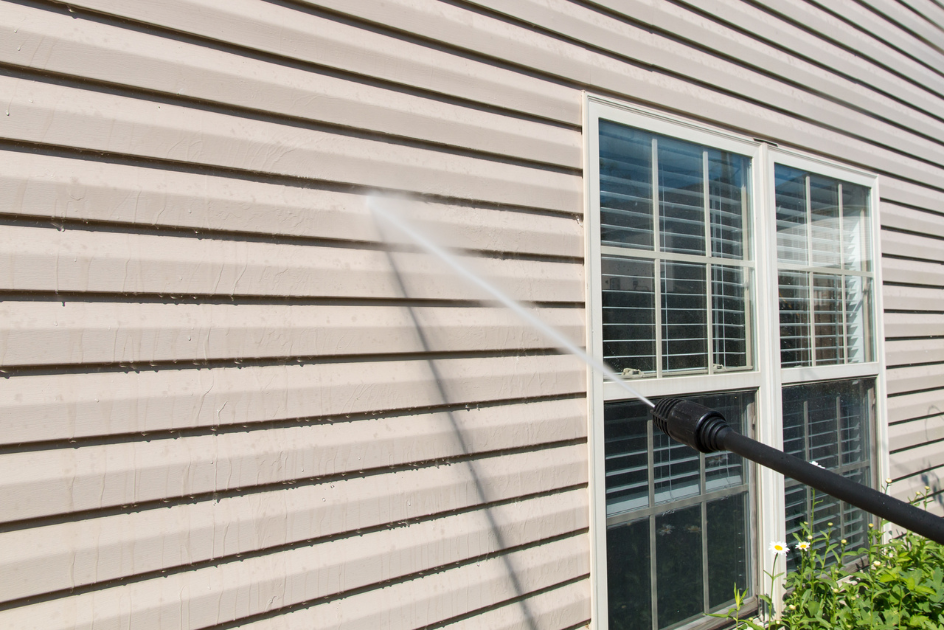
It doesn’t need to be painted and typically only requires periodic washing to remove dirt, grime, and mildew.
Vinyl siding can fade over time, especially in areas with intense sun exposure, which can make it look dull or uneven.
In terms of ongoing maintenance, vinyl wins due to its minimal upkeep requirements. It’s a hassle-free option for homeowners who prefer to avoid frequent maintenance.
Up-Front Costs: Let’s Talk Initial Numbers
Let’s talk numbers.
As a homeowner, you spend a lot of time worrying about the costly home repairs that are always coming up the pike.
Fiber Cement
The upfront cost of fiber cement is higher than that of vinyl siding due to the materials and the more involved installation process.
Expect to pay more for both the siding itself and the labor to install it.
On average, fiber cement siding costs between $5 to $10 per square foot for the material, and installation costs can range from $5 to $10 per square foot as well.
This means the total cost for fiber cement siding typically falls between $10,000 and $30,000 for a 1,500-square-foot home.
Winner: Vinyl Siding
Vinyl siding is the more affordable option when it comes to upfront costs.
Both the material and installation are generally less expensive than fiber cement.
On average, vinyl siding costs between $2 to $7 per square foot for the material, with installation costs ranging from $3 to $8 per square foot.
This makes the total cost for vinyl siding typically between $5,000 and $14,000 for a 1,500-square-foot home, depending on the quality of the material and the complexity of the installation.
Long-Term Investment: Planning for the Future
Depending on your situation, upfront costs may be far more important, which is understandable.
But, as is often the case, if you’re willing to stretch upfront costs on siding, you can get a better long-term investment value.
Winner: Fiber Cement
Fiber cement offers better value over the long term, even though the initial investment is higher.
With a lifespan of 50 years or more, it requires less frequent replacement and lower maintenance costs.
Plus, it’s highly resistant to environmental wear, meaning you’re less likely to encounter issues like warping, cracking, or discoloration.
As a result, you’ll likely save money on repairs and replacements in the years to come.
In terms of long-term investment, fiber cement is a clear winner.
Its durability and longevity make it a more cost-effective option in the long run despite the higher initial investment.
Vinyl Siding:
Though vinyl siding is cheaper upfront, its shorter lifespan, around 30 years, means you may need to invest in repairs or replacement sooner than with fiber cement.
While maintenance costs are usually low with vinyl siding, issues like fading and cracking may require more frequent attention, particularly in harsh weather conditions.
As a result, you could end up spending more in the long term compared to fiber cement.
Energy Efficiency: Keeping Your Home Comfortable All Year Long
When it comes to saving on utility bills and keeping your home comfortable, energy-efficient siding can make a significant difference.
Winner: Fiber Cement
Fiber cement provides better insulation than vinyl, helping to keep your home cooler in the summer and warmer in the winter.
This can reduce your reliance on heating and cooling systems, ultimately saving you money on energy bills.
Additionally, fiber cement’s ability to regulate indoor temperatures helps to minimize the strain on your HVAC system.
Fiber cement is the winner when it comes to energy efficiency. Its insulation properties help keep your home comfortable while saving on energy bills.
Vinyl Siding
Vinyl siding offers some energy efficiency, especially if you opt for insulated vinyl versions.
Insulated vinyl can help with temperature regulation by reducing heat loss and gain, but it typically doesn’t offer the same level of energy efficiency as fiber cement.
For homeowners focused on cutting energy costs, vinyl will likely not be the most effective option.
Appearance: Making Your Home Shine
The appearance of your home’s siding plays a big role in its curb appeal. Whether you’re looking for something modern, traditional, or rustic, you want a siding that enhances your home’s aesthetic.
Winner: Fiber Cement
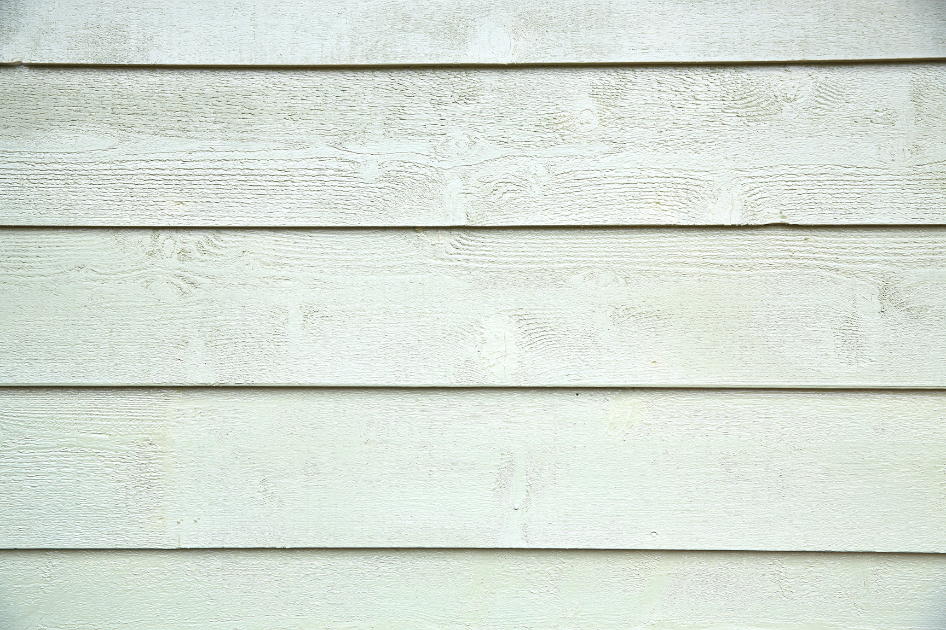
Fiber cement siding offers a high-end, natural look that can mimic the appearance of wood, stone, or stucco.
Its textures are more authentic and detailed, which makes it an excellent choice for homeowners seeking a premium appearance.
Fiber cement is available in a wide range of colors and can even be painted to suit your preferences, giving you flexibility in your home’s design.
Fiber cement wins the aesthetics with its premium, customizable appearance that offers a more natural and detailed look.
Vinyl Siding
While vinyl is available in a wide variety of colors, it has a flatter, more uniform appearance.
Over time, vinyl can fade or discolor, especially when exposed to direct sunlight.
As a result, it may require more upkeep to maintain its original appearance.
If you’re looking for a more sophisticated and authentic finish, fiber cement is often the better option.
Let GP Martini Roofing Help You Make the Right Choice for Your Home
Choosing siding for your home will affect both your home’s appearance and long-term value.
Whether you’re leaning toward durable, low-maintenance fiber cement or more affordable vinyl siding, the experts at GP Martini Roofing are here to help you make the best choice for your home.
With years of experience serving homeowners throughout Chester County, we can guide you through the options, provide professional installation, and ensure your siding stands the test of time.
Contact us today for a free estimate on your siding project.
FAQ
What are the signs you need to replace your siding?
There are several signs that indicate it may be time to replace your siding:
- Visible cracks, warping, or holes in the siding.
- Peeling or bubbling paint.
- Increased energy bills due to poor insulation.
- Frequent maintenance or repairs.
- Visible mold, mildew, or rotting (more common with vinyl in humid climates).
If you notice any of these signs, it’s time to consider replacing your siding to protect your home.
How long will fiber cement and vinyl siding last?
Fiber cement siding has a longer lifespan, often lasting 50 years or more, with proper care and maintenance. It’s a great long-term investment for homeowners looking for durability. Vinyl siding, while cheaper upfront, typically lasts around 30 years and may require more frequent repairs or replacement due to fading, cracking, or warping.
Which siding option is better for cold climates?
Fiber cement is generally the better option for cold climates. It’s resistant to cracking and warping in freezing temperatures, which makes it ideal for regions like Chester County, where winter weather can be harsh. Vinyl siding, while durable, can become brittle and prone to cracking in extreme cold, especially during storms or high winds.
What is fiber cement siding?
Fiber cement siding is a durable material made from a mixture of cement, sand, and cellulose fibers. It is known for its strength and resistance to the elements, including moisture, fire, and pests. Fiber cement can mimic the look of wood, stone, or stucco, and it offers a premium appearance and exceptional longevity. It is a great choice for homeowners looking for both durability and aesthetics.
Can fiber cement siding be painted?
Yes, fiber cement siding can be painted. In fact, many homeowners choose to paint their fiber cement siding to match their home’s aesthetic. You can either choose pre-painted fiber cement or paint it yourself with the color of your choice. Regular repainting will help maintain its appearance, especially in areas with extreme sun exposure.
Can vinyl siding be painted?
While it is possible to paint vinyl siding, it’s not always recommended. Vinyl siding is designed to be low-maintenance, and painting it can interfere with its durability. Additionally, the paint may not adhere well to the surface, leading to peeling or fading. If you do choose to paint vinyl siding, make sure to use high-quality, exterior-grade paint formulated for plastic or vinyl surfaces.