Standing Seam vs Exposed Fastener Metal Roofs: What’s the Difference?
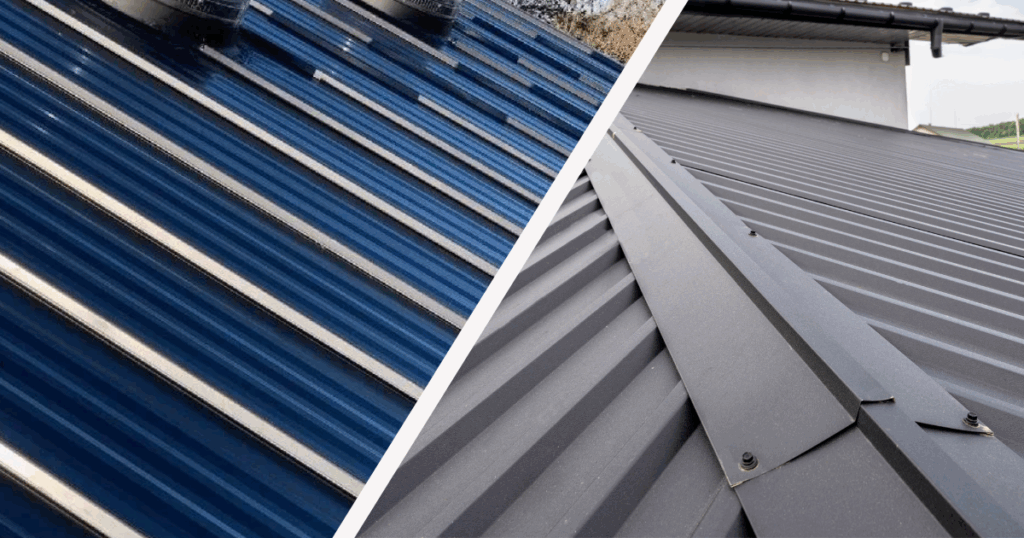
When you think of metal roofs, you might picture a bright red barn, a tractor shed, or a corrugated roof on a workshop out in the country.
Metal roofing isn’t just for barns anymore.
Today, you’ll see it on modern farmhouses, historic homes, and even high-end new builds.
More homeowners are considering metal because of its durability, energy efficiency, and long lifespan.
But once you start exploring your options, you’ll run into a key question: Standing seam or exposed fastener?
They’re both metal. But they’re not created equal. Here’s what you need to know about the differences.
What You’ll Learn About Metal Roof Types
- What’s a Standing Seam Metal Roof?
- What’s an Exposed Fastener Metal Roof?
- A Closer Look: Appearance, Performance, and Lifespan
- Cost Comparison: Upfront vs Long-Term Investment
- Why GP Martini Roofing Installs Standing Seam Only
What Is a Standing Seam Metal Roof?
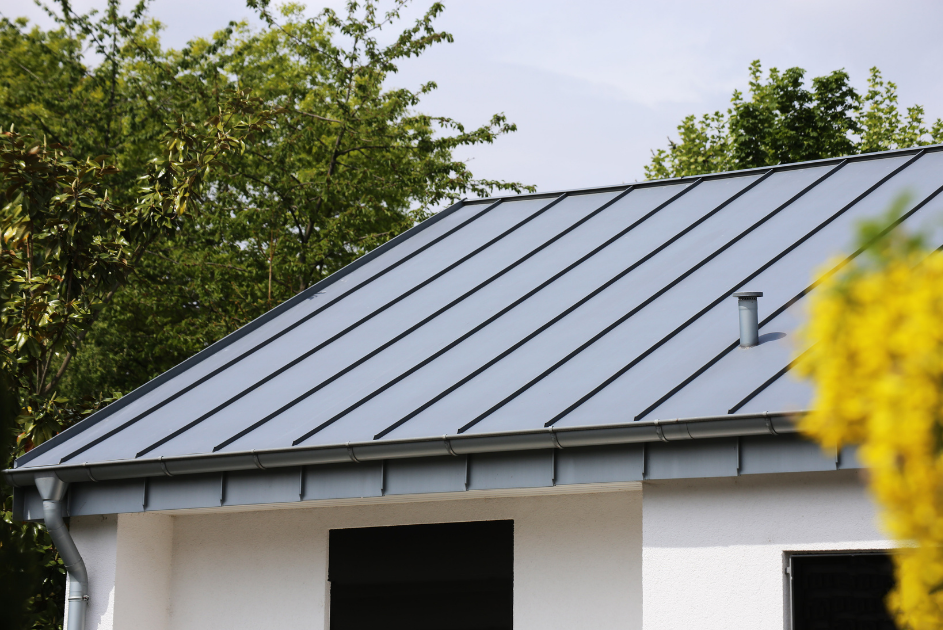
Standing seam metal roofs are known for their sleek appearance and high performance.
The key feature? Hidden fasteners. Using these, the metal panels are locked together with a raised interlocking seam that stands vertically, hence the name.
The fasteners that hold everything in place are concealed beneath the seams, which protects them from moisture, UV, and temperature fluctuations.
The key feature? Hidden fasteners. Using these, the metal panels are locked together with a raised interlocking seam that stands vertically, hence the name.
The key feature? Hidden fasteners.
The metal panels are locked together with a raised interlocking seam that stands vertically, hence the name.
The fasteners are concealed beneath the seams, which protects them from moisture, UV, and temperature fluctuations.
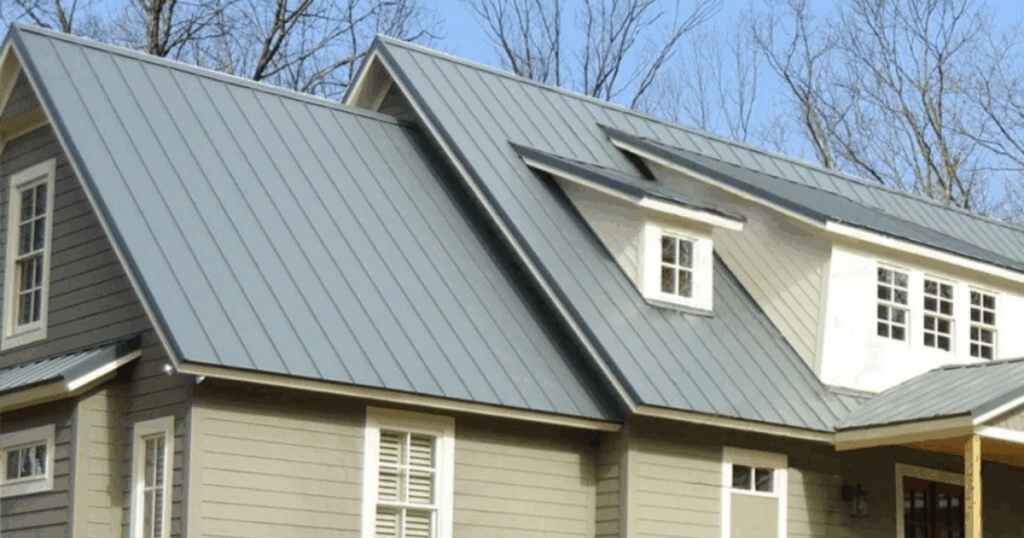
Benefits of standing seam roofs:
- Exceptionally clean, modern look
- No exposed screws = lower risk of leaks over time
- Expands and contracts more evenly with temperature changes
- Superior lifespan and durability
- Low maintenance and high resistance to weather
These are the metal roofs you see on higher-end homes, modern farmhouses, and historic restorations.
They’re also the kind of metal roof we specialize in at GP Martini Roofing.
What Is an Exposed Fastener Metal Roof?
Exposed fastener roofs use wide, corrugated metal panels that are screwed directly through the face of the panel into the roof decking.
The screws and their rubber washers remain visible and exposed to the elements.
This is a more budget-friendly style of metal roofing.
It’s commonly used on pole barns, sheds, garages, or utility buildings, but some homeowners choose it for residential roofing to save money.
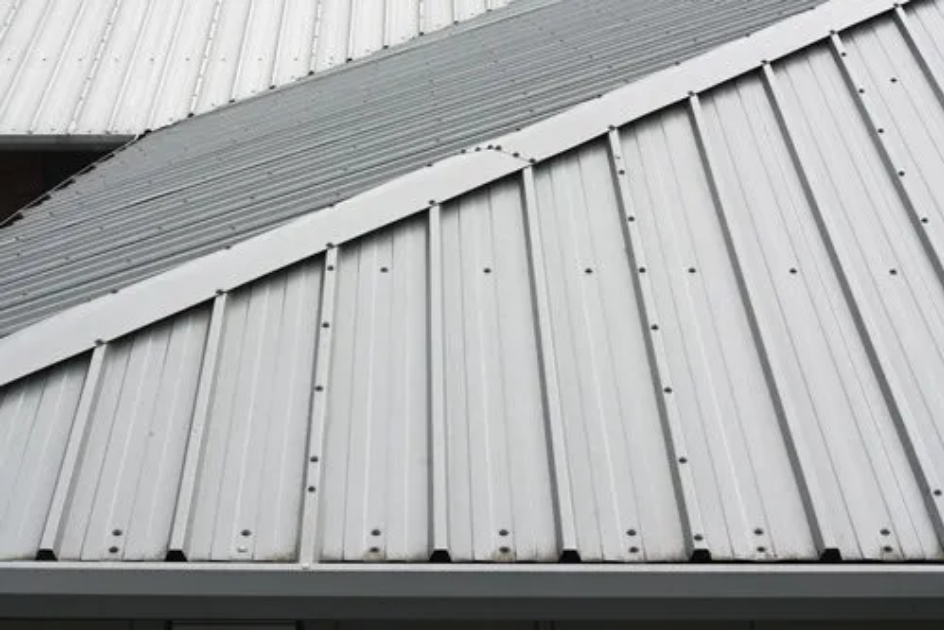
Benefits of exposed fastener roofs:
- Lower upfront material and installation costs
- Simple, quick installation process
- Readily available in various panel styles
But there are tradeoffs:
- Thousands of screw holes create potential leak points
- Washers can degrade over time, requiring inspection and replacement
- Less expansion flexibility, which can lead to warping or panel stress
- Typically has a shorter lifespan compared to a standing seam
A Closer Look: Appearance, Performance, and Lifespan
Appearance
Standing seam roofs are the winner in terms of aesthetics. They create a clean, uniform look with sharp vertical lines. Exposed fastener panels tend to have more of a utilitarian or industrial appearance, which may not match all home styles.
Weather Resistance
In Chester County, roofs deal with heavy snow, driving rain, and wide seasonal temperature swings. Standing seam systems outperform exposed fasteners here, mainly because water and ice can’t get to the fasteners.
Maintenance and Lifespan
Exposed fastener systems require regular maintenance. Screws can back out. Washers can deteriorate. On a typical roof, there could be 2,000+ exposed fasteners—each on a potential entry point for moisture over time. These systems typically last around 20 to 30 years, but that lifespan depends heavily on consistent upkeep.
Standing seam panels? Fewer parts to inspect. Fewer places for water to get in. Just a smooth, reliable system built to last 40–70 years with minimal upkeep.
Cost Comparison: Upfront vs Long-Term Investment
There’s no denying it: standing seam metal roofs cost more upfront.
Labor is more technical, and installation is more precise. On average, you may pay 30–50% more for a concealed fastener system than for an exposed fastener system for the same roof.
But over time, that extra investment pays off:
- Fewer repairs and call-backs
- Longer lifespan (potentially double)
- Better resale value
- Less maintenance hassle
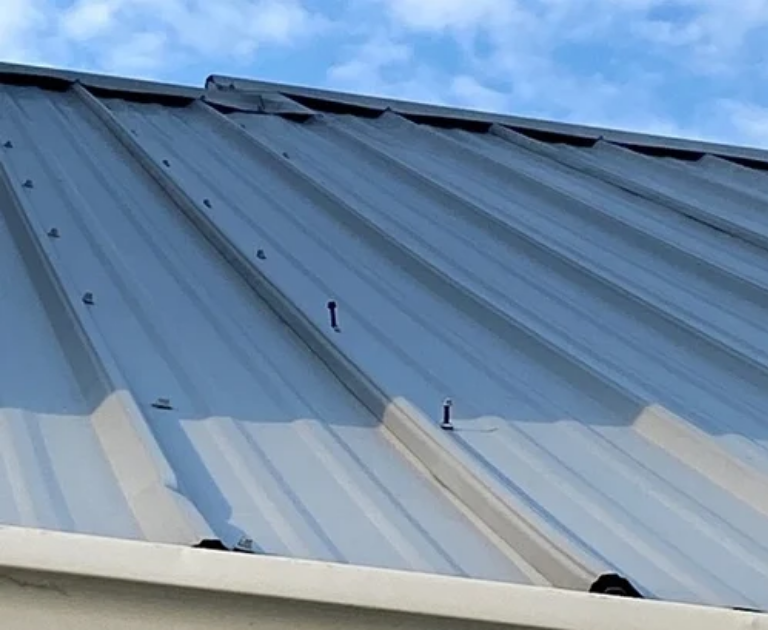
Exposed fastener roofs may initially cost less, but they typically require more maintenance and earlier replacement, especially in the Chester County climate.
Why GP Martini Roofing Installs Standing Seam Only
At GP Martini Roofing, we specialize in on-site standing seam metal roofing.
We bring a trailer-mounted metal-forming machine to your property. Our team custom-manufactures your panels to exact specifications, on-site and in real-time.
That means:
- No transportation damage
- Seamless fit and finish
- Custom lengths with fewer joints
- Immediate installation after fabrication
This process allows us to maintain the highest level of quality control—something you don’t always get with pre-cut, factory-shipped panels.
We’ve invested in the right equipment and training because we believe standing seam is the best metal roofing system for homeowners who want lasting quality.
Let’s Talk About Your Metal Roof
If you’re considering metal roofing and want help deciding what fits your home, budget, and goals, we’re here to help.
Contact GP Martini Roofing today for a free estimate on a standing seam metal roof.
We’ll explain your options, show you samples, and walk you through the process step by step, no pressure, no guesswork, just expert guidance from people who care about getting it right.
FAQs
What’s the main difference between standing seam and exposed fastener roofs?
The fastener system. Standing seam panels lock together and hide the screws underneath, while exposed fastener panels are screwed through the face and leave the fasteners visible and exposed to the elements.
Is standing seam worth the extra cost?
For most homeowners, yes. It lasts longer, needs less maintenance, and offers better protection, especially in areas with heavy weather like Chester County.
Can you install a standing seam roof on any house?
Usually, yes. Standing seam works on most pitched roofs and can be customized for complex shapes. We’ll assess your home and recommend the best approach.
Do I need to worry about snow sliding off a metal roof?
Metal roofs shed snow quickly. On steeper roofs, we recommend snow guards to prevent sudden dumps near walkways or driveways—something we’ll plan for during installation.
How long does a standing seam metal roof last?
When installed correctly, 40–70 years or more. It may outlast your time in the home.