10-Step Fall Home Checklist: Preparing Your Roof for a PA Winter

What You’ll Learn
What should I do to get my Pennsylvania home ready for winter?
It’s not just a seasonal chore list—it’s your best chance to get ahead of winter. Snow, ice, and freezing temperatures make roof problems harder (and more expensive) to fix.
Tackling small issues in the fall can prevent emergency repairs in January.
Get a clear picture of the proactive steps that actually protect your roof and your home before cold weather sets in.
In This Blog:
Fall is the perfect time to get outside.
Take a hike and take in the red, orange, and yellow leaves.
Leave some windows open and enjoy the breeze.
Take this window of opportunity to prepare your roof for winter.
Once the snow, ice, and freezing temperatures roll in, even minor roof problems can turn into costly emergencies.
Ice dams, heavy snow loads, and repeated freeze-thaw cycles put extra stress on your home’s exterior.
Taking time in the fall to follow a fall home checklist can dramatically reduce the risk of winter roof damage.
1. Clean Gutters and Downspouts
Clogged gutters are one of the most common causes of winter water damage.
When gutters and downspouts are filled with leaves, twigs, and debris, melting snow has nowhere to go.
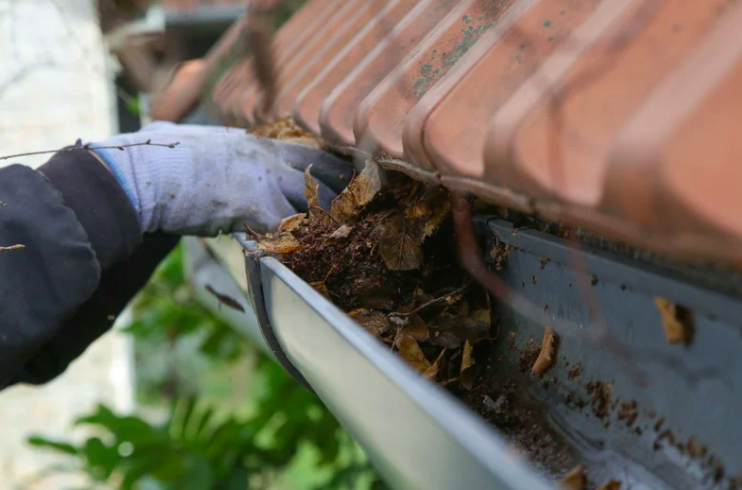
Instead, it backs up onto the roof, creating ice dams that force water under shingles and into your home.
- DIY step: Use a sturdy ladder, gloves, and a scoop to remove debris, then flush the system with a hose.
- When to call a pro: If your home has multiple stories or steep slopes, consider hiring a professional gutter cleaning service to do it safely.
2. Check Attic Insulation and Ventilation
A properly insulated and ventilated attic is your first line of defense against winter roofing problems.
Without it, heat escapes from your home, melting snow unevenly on the roof and increasing the risk of ice dams.
- DIY step: Peek into your attic. Insulation should be even and cover the floor completely, with no gaps or compressed areas. You should also see vents (soffit, ridge, or gable) that allow air to circulate.
- When to call a pro: If your attic feels overly warm in winter or you notice icicles forming regularly outside, consult a roofing professional or insulation contractor.
3. Trim Overhanging Branches
Snow and ice make tree branches heavy, and if those branches hang over your roof, they can break and cause serious damage.
Even smaller twigs that scrape against shingles can weaken protective granules over time
- DIY step: Use pole pruners to cut back smaller branches yourself.
- When to call a pro: For large or high branches near power lines, hire a licensed tree service to handle the job safely.
4. Look for Missing or Damaged Shingles
Fall is the perfect season to do a visual check of your roof.
Shingles that are cracked, curled, or missing leave your roof vulnerable to water infiltration once winter storms arrive.
- DIY step: From the ground, use binoculars to scan for uneven patches, discoloration, or loose shingles.
- When to call a pro: Never climb onto the roof yourself. If you notice potential issues, schedule a professional repair before freezing temperatures make shingles brittle and harder to replace.
5. Inspect Flashing Around Chimneys, Skylights, and Vents
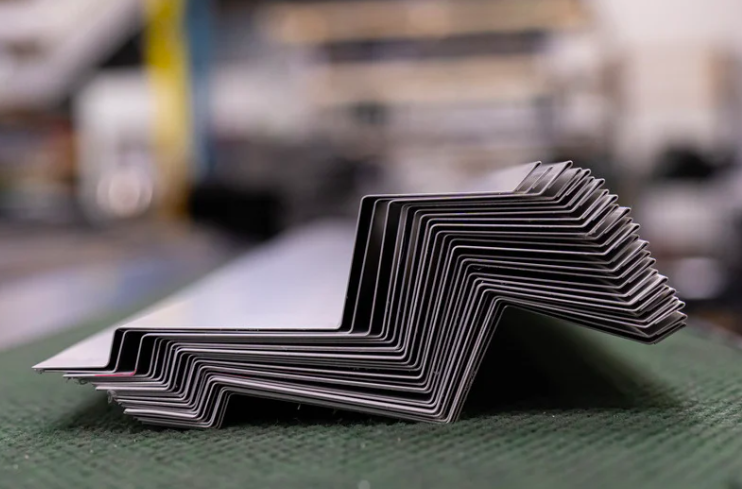
Flashing is the thin metal material that seals roof transitions and prevents water from sneaking in at vulnerable spots.
Over time, flashing can rust, crack, or pull away, creating leaks.
- DIY step: From a safe vantage point, look for gaps, rust spots, or lifted edges around chimneys, skylights, and vent pipes.
- When to call a pro: Flashing repairs are best left to roofing professionals since they require specialized materials and installation to create a watertight seal.
6. Check for Signs of Interior Leaks
Sometimes, roof damage shows up inside your home before it’s obvious on the outside.
Take a slow walk through your attic and the upper floors of your home, looking for:
- Stains on ceilings or walls
- Damp insulation
- Musty odors
- Visible drips or puddles after rain
Catching small leaks now can save you thousands in repairs later.
If you find or suspect a leak, call in a roofing professional to further evaluate and then make the necessary repairs—this is not something you should attempt to do yourself.
7. Clear Debris from the Roof Surface
Leaves, pine needles, and branches don’t just look messy. They hold moisture against your shingles and create a breeding ground for mold.
In valleys and low-slope areas, they can block proper drainage and cause standing water.
- DIY step: Use a leaf blower or long-handled roof rake to gently remove debris.
- When to call a pro: If your roof is steep, high, or unsafe to access, it’s best to leave this step to a roofing contractor.
8. Examine Roof Valleys and Low-Slope Areas
Roof valleys are where two roof planes meet, channeling water and snow toward gutters.
These areas are particularly prone to leaks if they’re clogged or damaged.
- DIY step: From the ground, check valleys for debris buildup and make sure shingles lie flat.
- When to call a pro: If you see buckled shingles, sagging areas, or significant debris you can’t reach safely, a professional inspection is in order.
9. Ensure Proper Drainage Around the Home
A healthy roof system is only part of the equation—water also needs to drain away from your foundation.
If downspouts or grading aren’t directing water properly, melting snow can pool around your home and cause basement leaks.
- DIY step: Extend downspouts at least 4–6 feet from the foundation. Check that the soil slopes away from your home.
- When to call a pro: If you have persistent drainage issues, a contractor can help regrade your yard or install solutions like French drains.
OPTIONAL: Schedule a Professional Roof Inspection
Even if your roof looks fine from the ground, hidden issues can lurk beneath the surface.
That’s why scheduling a professional inspection each fall is one of the most important steps on your fall home checklist.
A roofing professional will:
- Check shingles, flashing, and valleys up close
- Inspect the attic for hidden leaks
- Identify early signs of wear and tear
- Recommend preventive repairs before winter sets in
This small investment can prevent emergency calls during a snowstorm when repairs are harder, slower, and more expensive.
Why Fall is the Best Season to Act
- Mild weather: Roofing materials are easier to work with in cool, dry conditions.
- Flexible scheduling: Roofing contractors often have more availability in the fall before the rush of winter storm damage calls.
- Cost savings: Small repairs now prevent major repairs later, which saves you from emergency service fees.
Get Ready for Winter
Don’t wait until the first snowstorm to find out your roof isn’t ready.
Whether you need a quick repair or a full roof replacement, our team will make sure your home is prepared for whatever winter throws your way.
Contact GP Martini Roofing today to schedule your fall roof inspection and get a free estimate on any repairs.

FAQs
Why is fall the best time to prepare my roof for winter?
Fall offers mild weather, which makes roof repairs safer and easier. It’s also your last chance to address issues before snow and ice arrive.
Completing a fall home checklist now can prevent costly emergency repairs during Pennsylvania’s harsh winter months.
How often should I clean my gutters before winter?
Homeowners should clean gutters at least twice a year, with fall being the most important.
Clearing leaves and debris before winter ensures that melting snow drains properly.
If gutters remain clogged, you risk ice dams, roof leaks, and water damage to your home’s foundation.
Can I do roof maintenance myself, or should I hire a professional?
Some fall checklist tasks, such as cleaning gutters or trimming small branches, are DIY-friendly.
However, inspections, flashing repairs, and shingle replacement are best left to professionals.
A roofing contractor can spot hidden issues that homeowners may miss, helping you avoid bigger repairs later.
What signs of roof damage should I look for in the fall?
Check for missing or curled shingles, cracked flashing around chimneys and skylights, and stains on ceilings or attic insulation.
Leaves and debris in roof valleys can also indicate drainage issues.
Addressing these early helps protect your roof against Pennsylvania’s heavy snow and freezing temperatures.