The 5 Critical Signs You Need Urgent Roof Repair in Winter
What You’ll Learn
How do I know that my roof needs attention after harsh winter weather?
If there are no obvious signs of damage, such as leaks or missing shingles, check for subtle signs of trouble.
Water stains, moisture in your attic, curling shingles, or sagging along your roof line are indicators of roof damage.
If any of these are present, you definitely need your roofing contractor to investigate and fix these problems.
Regardless, a mid- or post-winter inspection is essential to both preventing and mitigating excessive winter weather damage.
In This Blog:
The snow is falling thick and fast outside.
You can’t fall asleep because of the agonizing sound of drip, drip, drip hitting the bucket you set out.
You missed the signs of damage this time.
The roofer is coming tomorrow, but you’re determined not to miss those signals again once your roof is replaced.
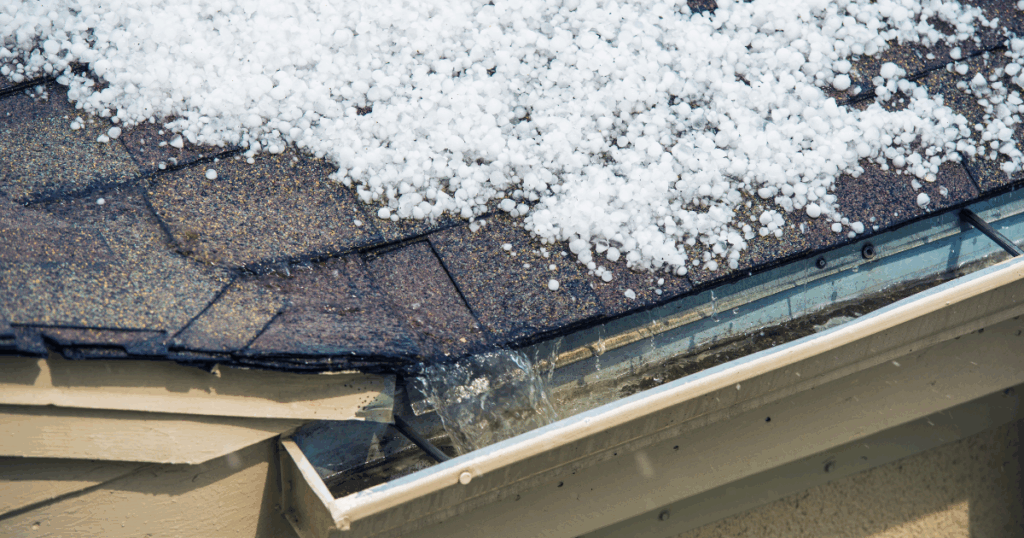
Winter weather is the ultimate test of your roof’s health.
Learn the five silent warning signs to look for so you can stop winter damage before it destroys your roof.
Subtle Signs of Winter Damage
Winter doesn’t break down your roof in one dramatic swoop. It wears it down quietly, slowly.
You don’t lose shingles or see leaks right away.
These five not-so-obvious signs are your first clues.
1. Sagging or Uneven Roof Lines
Looking from the ground up at your roof—either with the naked eye or with binoculars—if your roofline appears to dip, buckle, or sag under snow, your roof is under distress.
Snow can weigh up to 20 pounds per cubic foot.
When snow and ice accumulate unevenly, older trusses or weakened decking may begin to bow.
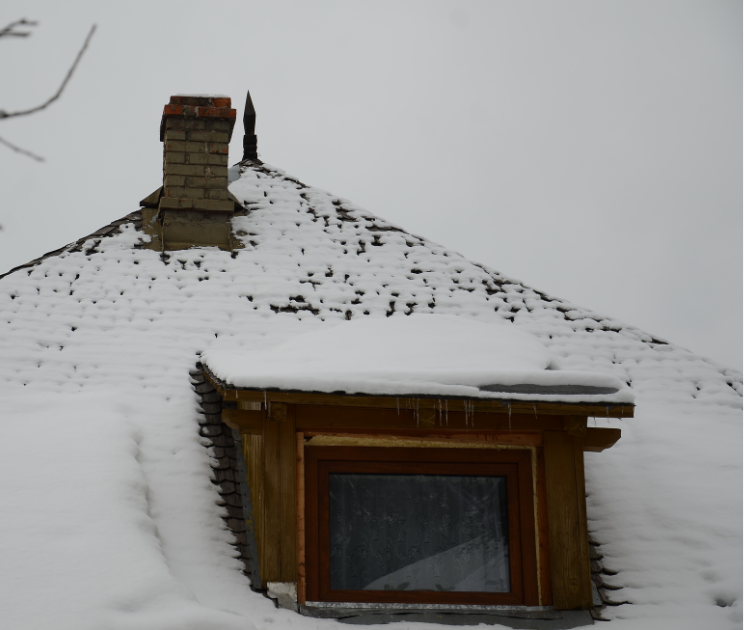
Ignoring this can lead to structural failure. If you notice sagging after a heavy storm, schedule an inspection immediately to assess the load safety and check for hidden moisture damage within the support structure.
2. Ice Dams and Thick Icicle Buildup
When heated air leaks into your attic, it causes snow to melt up on the roof.
This melted water then runs down and refreezes as it hits the unheated eaves, forming an ice dam. From here, icicles can also form.
A beautiful row of icicles along your eaves is not something to admire—it’s a warning sign.
These dams prevent more melting snow from draining properly, which pushes water back under the shingles and into your attic.
The National Roofing Contractors Association (NRCA) warns that this is one of the top causes of winter roof leaks.
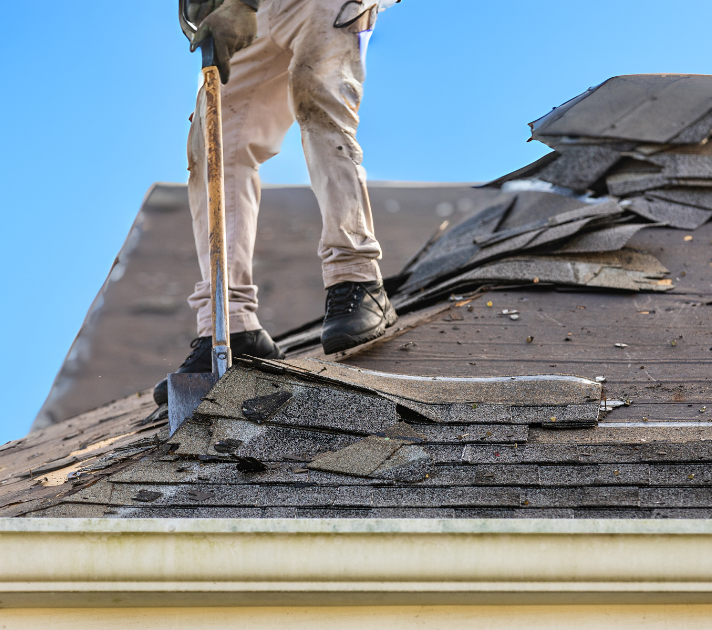
3. Curling or Lifting Shingles
Temperature swings cause shingles to expand and contract. Over time, this movement loosens nails and allows moisture to creep beneath the surface.
If you notice shingles curling, cracking, or lifting after a cold snap, that’s freeze-thaw stress at work.
Addressing the damaged shingles early can prevent major leaks and underlayment deterioration later on.
4. Condensation or Frost Buildup in the Attic
Your attic should be cold and dry in the winter.
If you find condensation on rafters or a layer of frost on the underside of the roof deck, warm, moist air from your heated home is leaking upward.
That trapped moisture can rot wood, create mold, and drastically reduce your insulation’s effectiveness.
5. Interior Ceiling Stains or Water Spots
Once water has gotten inside your roof, it is only a matter of time until you see it inside your home.
A water stain on your ceiling or upper wall might look minor, but it’s often only the tip of the iceberg.
The stain is telling you that there could be saturated insulation, mold growth, or even electrical hazards behind your wall or ceiling.
Water damage from roof leaks is one of the most common homeowner claims filed during the winter months.
Never patch over the stain—trace it back to its source before the damage spreads.
Winter Damage Defense
Many of these severe winter problems are preventable!
The key to securing your roof for winter lies in proper attic ventilation and proactive maintenance.
Attic Ventilation
Good ventilation isn’t just about comfort; it’s your roof’s defense system.
A well-ventilated attic maintains a temperature closer to the outside air.
With this balanced attic airflow, temperature and moisture can be regulated, preventing ice dams and structural strain.
Other moisture-related issues, like mold growth, condensation on wood rafters, and even wood rot, can be prevented through proper ventilation.
To learn more about the benefits and the necessity of good attic ventilation, check out our blog “A Guide to Roof and Attic Ventilation.”
Regular Inspections and Maintenance
The best defenses against costly winter roof damage are proactive professional maintenance and regular inspections.
Rather than waiting for roof stains or leaks to appear, address any risks through regular checks and preventative tasks to ensure that your roof is ready for anything the season throws at it.
- Professional Inspections Catch Unknown Issues: Most homeowners tend to skip yearly roof inspections, but these are essential to the health of your roof. Inspecting your roof at least once a year (especially before or right after harsh weather) can catch small issues before they become costly problems. GP Martini Roofing can assess your attic ventilation, insulation, and flashing integrity to create a full health report for your roof.
- Proactive Maintenance Prevents Major Damage: Regular professional tasks—like clearing gutters and checking flashing—can prevent most winter roof issues. Having a few loose shingles or other minor roof damage fixed now can save you money and stress later.
Protect Your Roof From Winter Damage
Don’t let winter’s silent damage catch you off guard.
And if it has, you’re not alone. GP Martini Roofing has your back.
We understand the stress of unexpected repairs, and we’ll walk you through every step with honesty and care.
Contact GP Martini Roofing for a Free Estimate and start the season with confidence.

FAQs
Why is condensation or frost buildup in my attic a major warning sign?
Condensation or frost in your attic means that warm, heated air from your home is leaking directly into your cold attic space. This trapped moisture can hurt your roof system.
It can lead to wood rot, mold growth, and reduce the effectiveness of insulation.
Why should I be worried about icicles on my eaves?
Icicles can indicate improper roof drainage. Icicles and ice dams form after snow or ice that was on your roof melts due to heat from your attic and begins to trickle down to the edges, freezing when it reaches unheated parts of your roof.
These blocks of ice can force water under your shingles, leading to leaks.
Is a small water stain on my ceiling really such a big deal?
A small water stain is rarely the extent of the damage; it is usually the visible symptom of a larger, hidden problem behind your wall or ceiling.
Behind the stain, water could be saturating your insulation and increasing the chances of mold growth.
It is important to figure out what is causing the water stain to prevent further damage.
How does proper attic ventilation protect my roof from winter damage?
Proper attic ventilation acts as your roof’s essential defense system by keeping the attic temperature close to the outside air.
Attic ventilation prevents ice dams by keeping the roof cold and stopping snow from melting, and controls moisture by preventing condensation, mold, and wood rot.
Why is it important to schedule a winter inspection?
Scheduling an inspection right after the harshest winter weather is key to making timely, preventative repairs.
This inspection catches the seemingly minor damage—like a few loose shingles or slight flashing damage—that was caused by winter stress.
Fixing these small issues costs significantly less money and stress than dealing with expensive emergency water damage, extensive mold remediation, or major structural repairs later on.