Drip Edge For Your Roof: What It Is, Why It Matters, and When You Need One
What You’ll Learn
Why do I need a drip edge on my roof?
Drip edges guide rainwater safely into gutters while shielding vulnerable parts of your roof from water and wind damage.
Without one, shingles, fascia, and siding can suffer rot, mold, or structural issues that are expensive to fix.
In This Blog:
It’s been raining for days.
Instead of flowing neatly into the gutters, rainwater is sneaking under the edge of your roof.
This is what happens when you don’t have a drip edge.
A drip edge is a thin strip of metal that runs along the edges of your roof and works in tandem with your gutter to keep water from seeping into vulnerable parts of your roof.
Whether you’re installing a new roof or repairing an existing one, understanding what a drip edge is and when you need it can save you from costly repairs in the future.
What Is a Drip Edge on a Roof and How Does it Work?
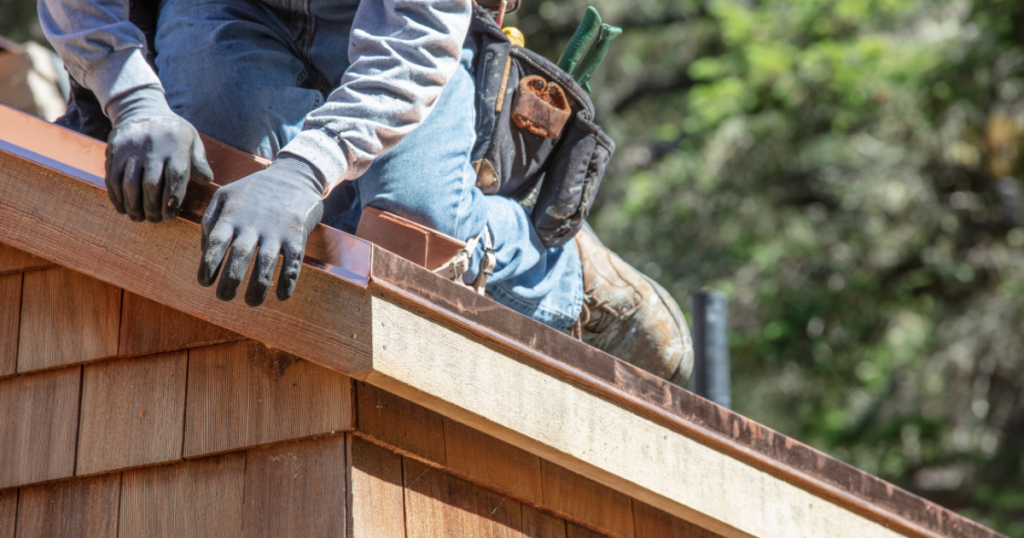
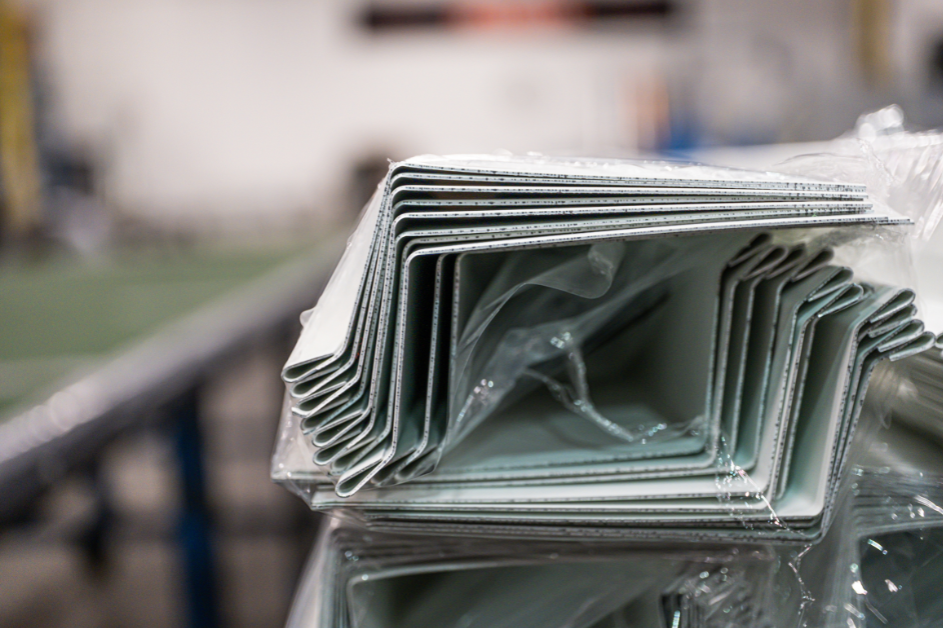
A drip edge is a type of thin metal flashing installed all along the edges of your roof, typically made from aluminum, galvanized steel, or copper.
Its primary function is to direct water away from your roof’s fascia and underlying structures, keeping moisture from seeping into your home.
The drip edge creates a small lip that extends beyond the roof, guiding water into the gutters or away from the house.
This helps prevent water from running down the fascia or getting behind the gutters, which can lead to wood rot, mold growth, or even structural damage over time.
Essentially, the drip edge acts as a barrier between your roof and the elements, enhancing the longevity of your entire roofing system.
Drip Edge vs. Gutter: What’s the Difference?
While both drip edges and gutters help manage water flow off your roof, they serve distinct roles.
- Drip Edge: A drip edge feeds the water into the gutter, away from the roof’s edges and other vulnerable areas like the fascia and roof decking. It ensures water doesn’t infiltrate the gaps where shingles meet the roof’s edge, preventing long-term moisture damage.
- Gutters: Gutters collect the water that runs off the roof and channel it safely away from your home’s foundation. They are typically installed along the roof’s perimeter and work hand-in-hand with the drip edge by catching the water it directs.
In short, the drip edge helps ensure that water flows in the right direction, while the gutter captures and guides that water to a safe discharge point.
Both are critical in preventing water-related damage to your home, but they operate at different stages of water management.
Benefits of Installing a Drip Edge
Installing a drip edge offers several important benefits that help protect your roof and home from water damage. Here’s how a drip edge can make a big difference:
1. Prevents Water Damage
Without a drip edge, water will travel to any opening it can find.
This means water will…
- Sneak down behind the gutter
- Saturate fascia boards
- Run along the siding
- Seep into any cracks or openings along the way
Over time, this can lead to peeling paint, warped siding, or even major structural damage.
2. Improves Gutter Performance
Drip edges work hand-in-hand with gutters, improving their efficiency by ensuring that water flows directly into the gutter system.
This reduces the chance of water overshooting the gutter or backing up under the roof shingles.
3. Protects Against Wind-Driven Rain
In areas across Pennsylvania, high winds and heavy storms are common. Rainwater can easily be blown under the roofline or into small openings around the roof’s edges.
A drip edge creates a shield that helps keep water out, even during severe weather conditions.
4. Extends Roof Lifespan
A drip edge helps prevent premature wear and tear on roofing materials by reducing exposure to moisture. Shingles and underlayment last longer when they’re protected from consistent water exposure, meaning a drip edge can extend the overall life of your roof.
When Do You Need a Drip Edge?
Extra Protection for Homes in Rainy or Windy Climates
Areas in Pennsylvania are constantly seeing intense weather, especially rain. West Chester and Downingtown both saw extreme rain and flooding over the summer.
With this kind of weather always coming at us, a drip edge is especially important.
It offers crucial protection by preventing wind-driven rain from sneaking under the edge of your shingles. This can lead to leaks and costly repairs over time, particularly in areas prone to extreme weather like ours.
For Building Code Compliance
Many states, including Pennsylvania, now require drip edges to be code-compliant.
Building codes were updated in 2018 to specify that drip edges must be included in all new roof installations and significant repairs for added protection and durability.
If your home doesn’t have one or is damaged, you may not be compliant with local codes, which could impact its resale value or insurance claims.
A reliable roofer will be well aware of these code requirements and ensure your roof installation meets all of them, including drip edges, without you needing to worry about the details.
They’ll confirm colors and materials with you the same way they will your gutter and generally include the drip edge in your overall roofing estimate.
Homes that Have Already Seen Signs of Water Damage
Homeowners in Pennsylvania often experience seasonal rains, leading to hidden water damage over time.
If you notice peeling paint, wood rot, or staining on your fascia boards or walls, your current roofing system likely lacks proper water management.
In these cases, adding a drip edge can prevent further issues by diverting water away from vulnerable areas, especially in homes that don’t already have one installed.
Don’t Overlook the Value of a Drip Edge, Contact Us Today
Protecting your home from water damage starts with paying attention to the details—like installing a drip edge.
Whether you’re replacing an old roof or ensuring your property meets Pennsylvania’s building codes, a properly installed drip edge is crucial to safeguarding your investment.
Don’t wait for water damage to take its toll. Contact us today for a detailed estimate on your drip edge installation.

FAQ
Where is Drip Edge on a Roof?
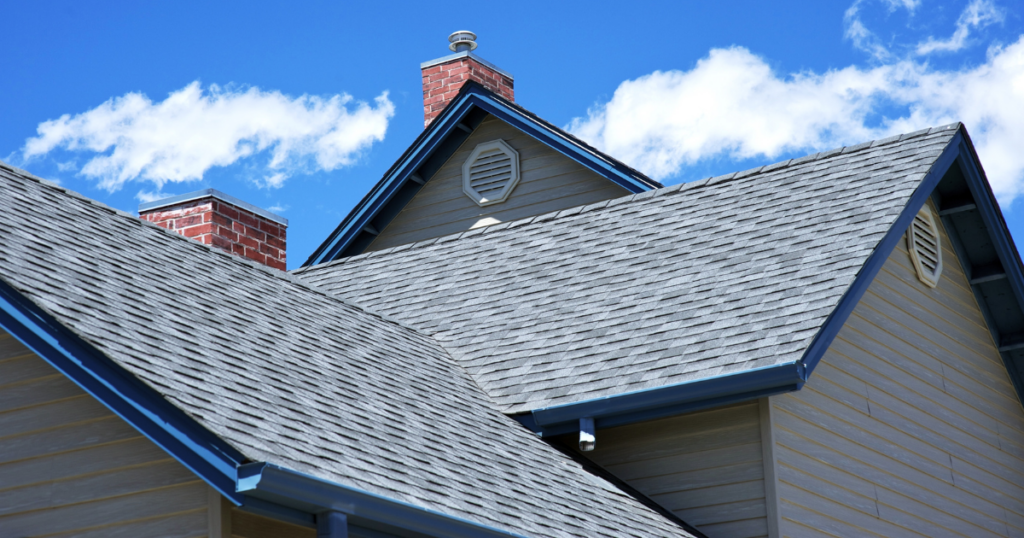
The drip edge is installed along the edges of your roof, specifically at the eaves and rakes.
At the eaves, it extends beyond the roof deck, directing water into the gutters. Along the rakes, it helps guide water away from the sides of the roof and prevents it from seeping under the shingles.
Essentially, it’s located at the perimeter of your roof, where the roof meets the exterior walls of your home.
How is a Drip Edge Different from a Gutter?
A drip edge and a gutter serve complimentary but distinct functions.
– Drip Edge: This is a thin metal flashing installed along the roof’s edges to direct water away from vulnerable areas like the fascia and roof deck. It ensures that water flows into the gutters rather than behind them, helping to prevent water damage to your roof and home’s structure.
– Gutter: Gutters are channels that collect and carry the rainwater running off the roof. They are installed along the perimeter of the roof and direct the collected water away from the foundation of your home. While the drip edge guides water into the gutters, the gutters manage and discharge the collected water away from the property.
How Does a Roof Drip Edge Work?
The drip edge works by creating a small, extended lip that directs water away from the roof’s edge. When it rains, the drip edge channels water into the gutters or away from the roof and siding.
This prevents water from dripping behind the gutters or seeping into the underlying roofing materials, thus protecting your fascia boards and roof deck from moisture damage. By ensuring proper water flow, the drip edge helps in reducing the risk of wood rot, mold, and structural damage.
When Do You Put a Drip Edge on a Roof?
A drip edge should be installed during a new roof installation or significant roof repair. It is particularly crucial in areas with heavy rainfall or high winds, as it provides added protection against water infiltration.
Additionally, many building codes, including those in Pennsylvania, now require drip edges to be installed as part of any new roofing project. If your home shows signs of water damage or if your current roof lacks a drip edge, it’s a good time to consider having one installed to prevent further issues.