How Heavy Rainfall Puts Your Roof to the Test: Identifying Vulnerable Components

What You’ll Learn
What parts of my roof are most at risk during heavy rainfall?
Heavy rain exposes weak areas like flashing, shingles, vents, and drainage systems.
When these components struggle to move water away, leaks and moisture damage become much more likely.
In This Blog:
You’re listening to the violent pounding of a heavy rain shower against your windows.
All you can think about is your aging roof and the type of damage the rain could be causing.
You don’t know how many more storms your roof can weather.
Let’s get into understanding the impact of excess rain on your roof.
How Excess Rain Damages Your Roof
When it comes to rain, there are a variety of ways it can make your roof deteriorate faster.
Downpour + Overflow
In a typical rainstorm, your roof holds strong.
But when rain turns from a shower into a torrential downpour, it’s like a sudden flood for your roof.
The drainage system, no matter how well-designed, has its limits.
Gutters can fill to the brim, and downspouts might as well be waterfalls.
The Path of Least Resistance
As water accumulates, it begins a determined search for any path to escape.
This is where a roof’s inherent vulnerabilities come into play.
Small cracks, the lifting edges of shingles, or previously unnoticed gaps in the flashing become gateways, and the water exacerbates them.
Infiltration and Damage
Water that has breached your roof’s outer defenses now makes its way into the attic, through insulation, and down into the very structure of your home.
Left unchecked, this infiltration can lead to stains on your ceilings and walls, damage to electrical systems, and the growth of mold—each issue compounding the next.
Vulnerable Roof Components That Excess Rain Can Damage
Shingles
They stand guard against rain, ensuring it harmlessly slides off your roof.
Those tiny, sand-like granules on your shingles protect the asphalt coating from UV rays, provide fire resistance, and contribute to the aesthetic appeal of your roof.
After heavy rain or hail, you might notice granules in your gutters or downspouts—a telltale sign of wear.
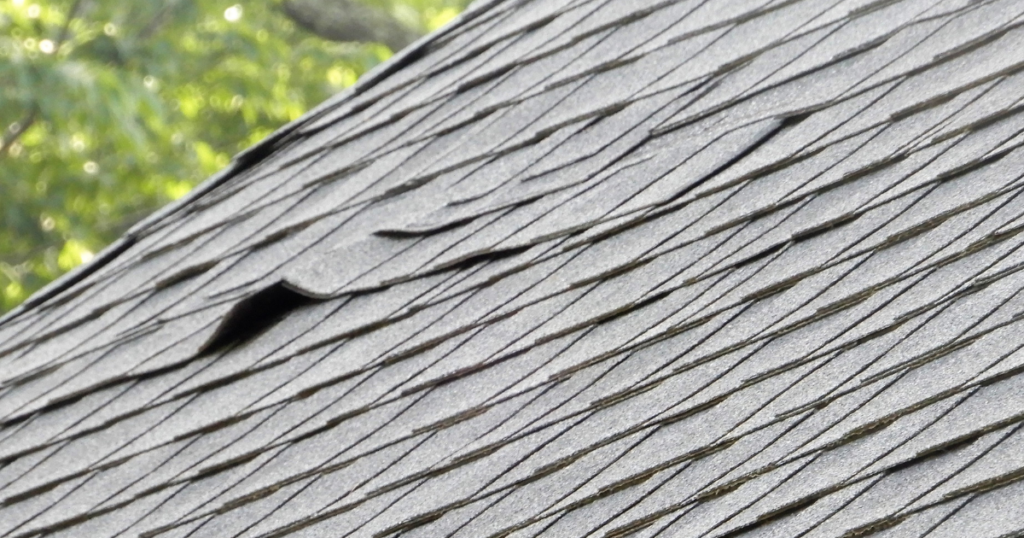
This granule loss exposes the asphalt, accelerating the aging process and making your shingles more susceptible to the elements.
In addition, wind can cause shingles to crack, bend, or even crease over time. Wind can also lift the shingle’s edges, allowing rain to sneak underneath and reach the roof deck below, setting the stage for leaks.
Flashing
These thin metal pieces act as a waterproofing seal along the seams and joints of your roof, like where your chimney is, or along valleys to channel water off.
In heavy storms with whipping wind, wind-driven debris can dent or displace it.
Gutters
Gutters are your roof’s drainage system, designed to channel water away from your home’s foundation.
But they can’t do their job when clogged with leaves, twigs, or even a stray tennis ball. Water overflows, spilling down the sides of your home or, worse, backing up under your roof and into your attic.
Identifying Water Damage Within Your Home
Water stains on ceilings and walls appear as discolored patches that may grow larger after heavy rain.
After heavy rains, a quick inspection of your attic can reveal:
- dampness
- condensation
- or even mold growth
Which are all indicators that water has found a way in.
The Structural Risks of Water Damage
Imagine your roof not just as a shield against the sky but as a complex structure engineered to distribute weight and repel water.
However, when faced with the relentless assault of heavy rain, this well-balanced system can be pushed to its limits.
The wood can begin to soften and rot, metal components may rust, and the overall stability of the roof can be compromised.
Adding to the concern is the weight of standing water or the accumulation of waterlogged debris. The added weight from water that doesn’t properly drain strains the entire roofing system. In extreme cases, this sagging from weight progresses to partial or complete collapse, a situation as dangerous as it is costly to repair.
Early signs of structural compromise might include:
- visible sagging
- unusual creaking sounds
- cracks in the exterior walls or foundation of your home
How to prevent excess rain from damaging your roof
Cleaning Your Gutters
Regular cleaning, ideally twice a year or after significant storms, ensures your gutters remain unobstructed.
Inspecting Your Shingles and Flashing
Regularly inspect your roof, especially after severe weather events, to spot and address any damage early on.
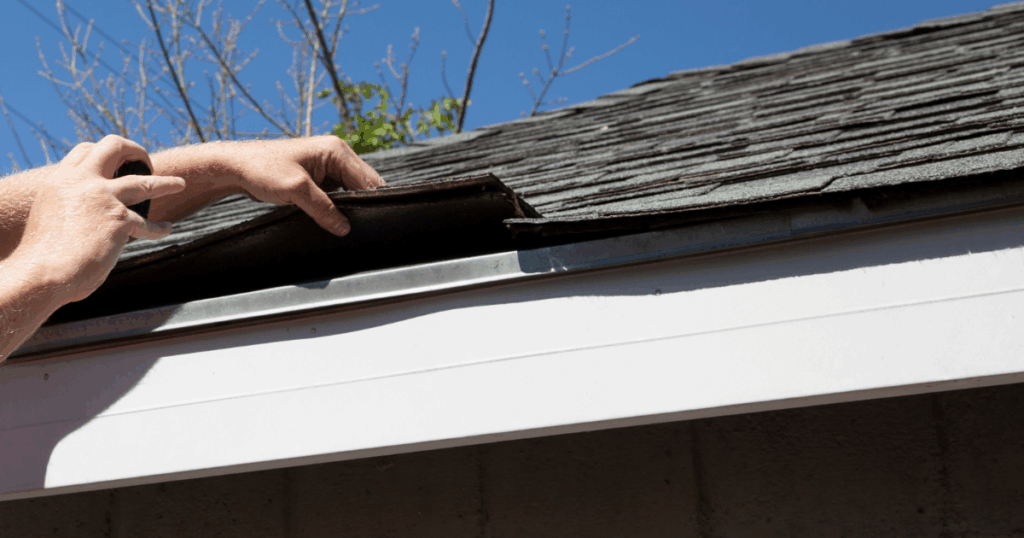
Look for cracked, missing, or warped shingles and ensure the flashing around chimneys, vents, and roof valleys is intact and properly sealed.
Installing Gutter Guards
These guards act as a shield, allowing water to enter your gutters while keeping leaves, twigs, and other debris out.
They minimize maintenance efforts and keep your gutters functioning optimally with less frequent cleaning.
Perform a post-storm inspection for your peace of mind
The post-storm period is a golden opportunity for early detection, a time when the signs of damage are fresh and more easily identifiable.
- Start your inspection by visiting the previously problematic areas of your roof. Whether it’s a section where shingles tend to lift or a corner where the flashing has been a bit iffy, these are your initial points of concern.
- Expand your inspection from these points to examine the roof as a whole. Look for missing or damaged shingles, disrupted flashing, or debris the storm might have left behind.
- Be on the lookout for less obvious signs, such as granules from asphalt shingles accumulating in the gutters or minor shifts in the alignment of your roofing components.
While your keen eye for inspection is invaluable, recognizing when to call in professional roofing contractors is just as critical.
They come armed with the expertise to confirm your findings, provide detailed assessments, and carry out repairs that ensure your roof is patched up and properly restored.
Delaying a repair will cost more than fixing it now
Imagine a small leak in your roof, seemingly inconsequential at first glance.
It’s easy to think it can wait, perhaps until you have more time or until it becomes “worth” fixing.
However, with each passing storm, water weaves deeper into your home’s structure.
Moisture seeping into the interior can damage ceilings, walls, and even the foundation, leading to mold growth, weakened structural integrity, and compromised insulation.
Each of these consequences not only threatens the safety and comfort of your living space but also adds to the repair bill—it’s a lot easier and cheaper to replace a few shingles than to restore entire roofing sections.
By tackling issues head-on, you preemptively stop the domino effect of damage, preserving both the aesthetic and structural aspects of your home.
Your Roof Can Face the Rain with Martini Roofing
While maintaining a leak-free roof in the face of nature’s fury might seem daunting, it’s a manageable task with the right knowledge and approach.
Partnering with a professional roofing service like Martini Roofing provides you with the expertise and peace of mind needed to keep your home safe and dry through the stormiest weather.
Don’t let the next storm catch you unprepared.
Contact Martini Roofing today!

FAQs
What damage can too much rain cause?
Excessive rain can undermine a roof’s structural integrity, leading to leaks, mold, and interior and exterior damage.
It can also cause gutters and downspouts to overflow, increasing the risk of foundation damage and soil erosion around the property.
What damages the roof the most?
The most severe roof damage typically results from water intrusion, which is exacerbated by hail, high winds, and UV radiation.
These elements progressively wear down roofing materials, compromising the roof’s ability to protect the home against further environmental assaults.
How does prolonged rain affect roofing materials?
Continuous exposure to rain accelerates the wear of roofing materials, promoting the growth of moss and algae.
This contributes to the rot of wooden components, rusting metal parts, and degrading asphalt shingles, diminishing the roof’s structural integrity and aesthetic appeal over time.
How do storms damage roofs?
Storms can inflict damage through hail impacts that dent or crack roofing materials, winds that dislodge or tear off shingles, and heavy rains that exploit existing vulnerabilities, causing leaks.
The cumulative effect of these elements can significantly shorten a roof’s lifespan and efficacy.
 Overcoming HOA Challenges to Deliver Cost-Saving GAF Solar Roofing
- Solar Roofing vs. Traditional Roofing: What Homeowners Should Know
- Siding Warping: Why Your Home’s Shield is Failing and How to Fix It
- Metal Roofing Cost Breakdown: Materials, Labor, and Lifespan
- Siding Problems: How to Spot (and Stop) Damage Before It Starts