How Skylights and Roof Windows Affect Your Roof and Your Space
What You’ll Learn
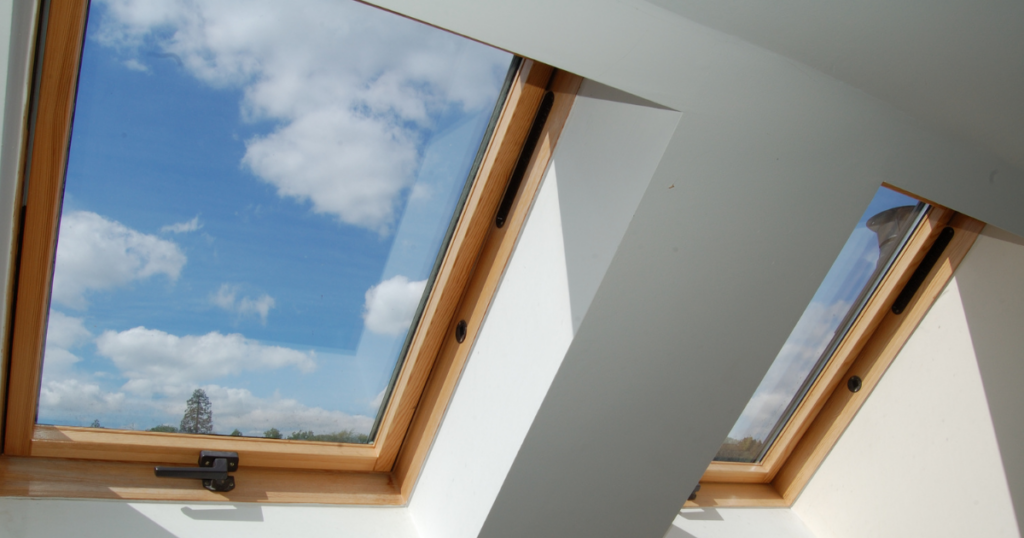
How do skylights and roof windows affect your roof and the space inside your home?
Skylights and roof windows can transform a room with natural light, improve energy efficiency, and increase property value, but they also require proper sizing, placement, and installation to avoid issues.
In This Blog:
Imagine the warmth of the morning sun flooding your kitchen.
Or having a serene view of a starlit sky in your living room.
Skylights and roof windows can bring the beauty and benefits of natural light into your home.
Whether you’re renovating an existing space or designing a new one, a roof window or skylight can make a great addition.
Benefits of Skylights and Roof Windows
Enhancing Aesthetic Appeal
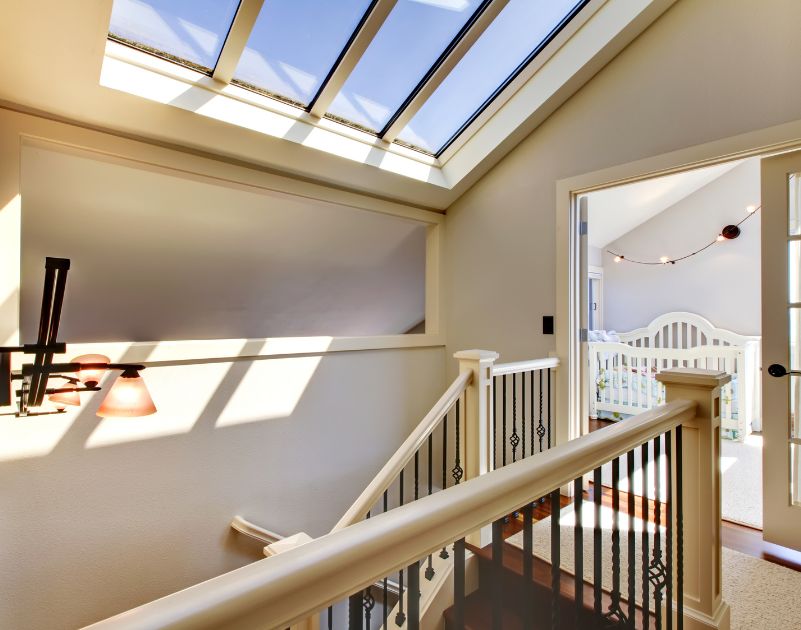
Skylights and roof windows uniquely transform any room into a brighter, more inviting space.
They are a dynamic addition to the interior design of a home, allowing natural light to flow in and create an open, airy feel.
Improving Health and Well-being
It’s no secret that exposure to more natural light is linked to improved moods and often a general boost in mental health.
If your home lacks natural light, the influx of natural light from skylights and roof windows could be more than just visually pleasing; it could help your well-being.
Energy Efficiency and Sustainability
In a slightly indirect way, skylights and roof windows can cut down your energy bill.
With more natural light available, you can reduce your reliance on artificial lighting, reduce electricity costs, and conserve energy.
Additionally, some roof window and skylight designs allow for ventilation, which can help reduce the need for air conditioning during warmer months.
Increasing Property Value
Homes with skylights or roof windows often have a higher market value.
They are considered a premium addition, making properties more attractive to potential buyers.
The aesthetic appeal, energy efficiency, and overall improvement in living quality make these features a smart investment in the real estate market.
Maximizing Small Spaces
Natural light can make a significant difference in the space in smaller homes or rooms.
Skylights or roof windows can make these areas feel more spacious and less confined.
Types of Skylights and Roof Windows:
When considering adding skylights or roof windows to your home, it’s important to understand the available types. Each type offers unique features and benefits:
Fixed Skylights
These are non-opening skylights that provide additional light but no ventilation. It’s ideal for rooms where light is needed, but ventilation is not a priority, like attics or stairwells.
Vented Skylights
Also known as roof windows, these can be opened for ventilation. They’re perfect for areas like kitchens or bathrooms where moisture accumulation is a concern.
Tubular Skylights
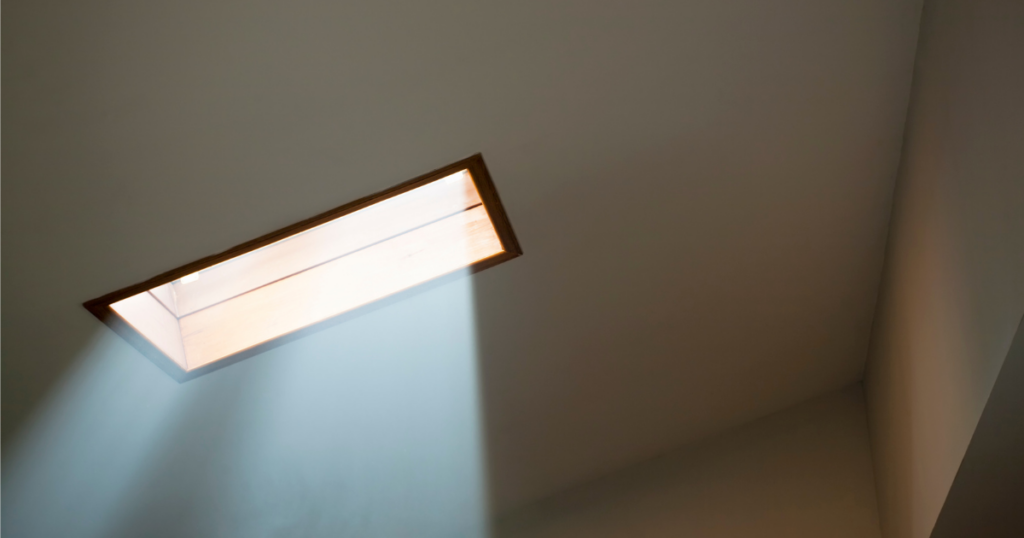
These are smaller, tube-shaped skylights ideal for tight spaces where traditional skylights can’t fit. They funnel light down through a reflective tube, illuminating small, specific areas.
Each type of skylight or roof window comes with different glazing options as well, including:
- Tempered glass
- Laminated glass
- Acrylic
They can also include features like UV filters or built-in blinds.
At GP Martini Roofing, we install Velux skylights and roof windows, some of the most popular in Chester, Montgomery, Bucks, and Delaware counties.
Velux skylights come in fixed and solar-powered vented models, catering to various needs and preferences.
They can also be equipped with solar-powered shades, available in various colors and either room-darkening or light-filtering options, allowing for further customization of your space.
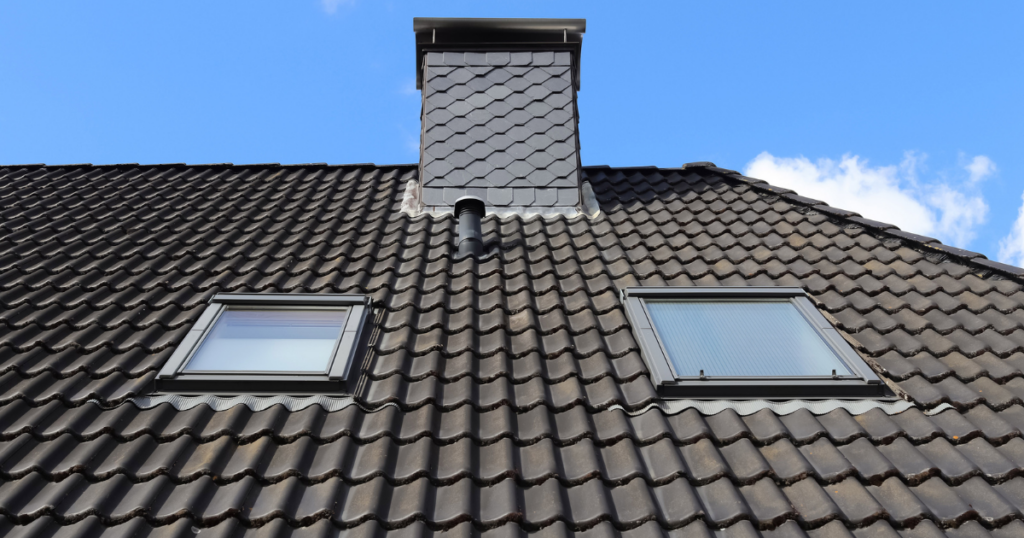
Is your Roof Right for a Skylight or Roof Window?
With various designs and types available, skylights and roof windows can be tailored to fit different architectural styles and personal preferences.
Before you run to install a skylight or roof window, though, it’s crucial to determine if your roof is suitable for the addition.
Here are some factors to consider:
Material: The material of your roof affects the feasibility of installation.
Common materials like asphalt shingles, tiles, or metal have different considerations for skylight installation. Some materials may require more specialized installation techniques.
Internal Support System: The internal structure of your roof, including rafters and trusses, will dictate where a skylight or roof window can be placed.
Ensuring the installation won’t compromise the roof’s structural integrity is important.
Space Below the Roof: Consider the space beneath the roof where the skylight will be installed.
Obstacles like HVAC systems, plumbing, or electrical wiring can impact the placement and size of the skylight.
Orientation and Slope: The direction your roof faces and its slope will influence how much light the skylight will bring in and how it will affect room temperature.
Common Mistakes Made with Roof Windows and Skylights
Improper Sizing
One common mistake is choosing a skylight or roof window that is too big or too small for the space.
Finding a size that balances aesthetic appeal with structural integrity is important.
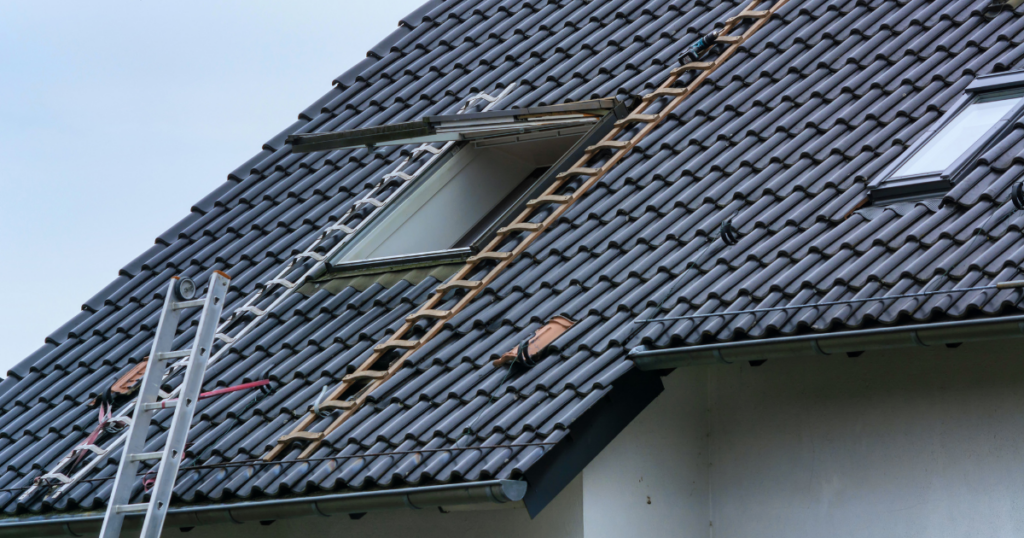
Improper Installation
Cutting into the roof can weaken its structure if not done correctly.
Working with a professional is vital to ensure the roof’s integrity is maintained during and after installation.
Lack of Insulation
Skylights can sometimes lead to increased heat loss or gain if improper insulation or the wrong type of glazing is used.
Choosing energy-efficient models and proper installation techniques can mitigate these issues.
Overlooking Placement
Misjudging the placement can lead to excessive heat gain or loss, glare, and reduced efficiency.
The skylight should be positioned to maximize natural light while considering the sun’s path and room’s use.
Not Ensuring Proper Weather Resistance
Ensuring that your skylight can withstand local weather conditions, like heavy snowfall or high winds, is crucial. This often means selecting higher-quality materials and construction.
Not Checking That Your Roofing Warranty Supports This
An often overlooked aspect with skylights and roof windows is the impact on your existing roofing warranty.
Keep this in mind and double-check your warranty documents or confirm with your roofer if a window or skylight modification will void your warranty. Most of the time, though, it is a modification that is “improperly installed” that will void a warranty.
Estimated Cost of Skylights and Roof Windows
Prices can range from a few hundred dollars for a basic, small, fixed skylight to several thousand for a large, custom-designed roof window with advanced features.
Key factors that affect cost include:
- Type and Size: Fixed skylights are generally more affordable, while vented or custom options are pricier. Larger sizes also increase costs.
- Material and Features: High-quality materials like energy-efficient glazing and additional features like blinds or remote controls add to the expense.
- Installation Complexity: Retrofitting a skylight into an existing roof usually costs more than installing one in a new construction.
The Installation Process
Once you have decided on placement and type, the installation process will include:
- Planning and Design: This includes choosing the type, size, and location of the skylight and considering factors like roof structure and sun path.
- Preparation: The area where the skylight will be installed must be prepared. This may involve cutting a hole in the roof and adjusting the surrounding roofing materials.
- Installation of the Window: The skylight or roof window is fitted into place. This step requires precision to ensure a watertight and secure fit.
- Interior Finishing: After installation, the interior around the skylight may need to be finished, which could involve drywall work, painting, or installing a light shaft.
- Inspection and Testing: The final step is to inspect the installation for any issues like leaks or drafts and ensure all components function correctly.
It’s highly recommended to have skylights and roof windows installed by professionals.
They have the necessary experience and tools to ensure the installation is done safely and effectively, avoiding common pitfalls like leaks or structural damage, which would also risk voiding your roof warranty if you have one.
Maintenance and Care of Skylights and Roof Windows
Proper maintenance and care are essential for ensuring the longevity and performance of your skylights and roof windows.
Here are some tips:
- Regular Cleaning: Clean the glass from dirt, leaves, and debris. Use a mild soap and water solution for cleaning, and avoid abrasive materials that can scratch the glass.
- Check for Leaks: Regularly inspect around the skylight for signs of leaks, such as water stains or dampness. Early detection can prevent more significant damage.
- Inspect Seals and Flashing: Over time, seals and flashing can deteriorate. Inspect them annually and reseal or replace them as needed to maintain a watertight seal.
- Operational Check: If your skylight or roof window opens, regularly check the mechanisms to ensure they are functioning smoothly. Lubricate moving parts as recommended by the manufacturer.
- Condensation Management: In colder climates, condensation can be an issue. Ensure adequate room ventilation to minimize condensation buildup.
- Professional Inspection: Consider having a professional inspection every few years to catch any issues you have missed.
Take the First Step to a Brighter, Beautiful Home With a Free Estimate
If you’re interested in transforming your home with natural light and enjoying the myriad of benefits of skylights and roof windows, take the first step today with a free estimate!
FAQs
What types of skylights and roof windows are available?
The main types include fixed skylights (non-opening), vented skylights (open for ventilation), and tubular skylights (small, tube-shaped for tight spaces).
How do I know if my roof is suitable for a skylight or roof window?
Considerations include the material of your roof, the internal support system, the space below the roof for installation, and the orientation and slope of your roof.
What are some common mistakes to avoid when installing skylights or roof windows?
Common mistakes include improper sizing, incorrect installation, lack of insulation, overlooking placement, and not ensuring proper weather resistance.
How much do skylights and roof windows typically cost?
Costs vary based on type, size, material, features, and installation complexity. Prices range from a few hundred dollars for basic models to several thousand for custom designs.
What is involved in the installation process of a skylight or roof window?
The process includes planning and design, preparation of the area, installation of the window, interior finishing, and inspection and testing for any issues.
Is professional installation necessary for skylights and roof windows?
It is recommended to have your roof window or skylight professionally installed to ensure safety and effectiveness and avoid common pitfalls like leaks or structural damage.
How should I maintain and care for my skylights or roof windows?
Regular cleaning, checking for leaks, inspecting seals and flashing, operational checks for opening mechanisms, managing condensation, and periodic professional inspections are key maintenance steps.
Are skylights and roof windows energy efficient?
Yes, they can be energy efficient, especially models with energy-saving glazing and designs allowing natural ventilation.
Will installing a skylight or roof window increase my home’s value?
Often, yes, homes with skylights or roof windows have a higher market value due to their aesthetic appeal, energy efficiency, and improvement in living quality.
 Overcoming HOA Challenges to Deliver Cost-Saving GAF Solar Roofing
- Solar Roofing vs. Traditional Roofing: What Homeowners Should Know
- Siding Warping: Why Your Home’s Shield is Failing and How to Fix It
- Metal Roofing Cost Breakdown: Materials, Labor, and Lifespan
- Siding Problems: How to Spot (and Stop) Damage Before It Starts