Breathing Easy: The Critical Role of Ventilation in Roof Health
What You’ll Learn
How does a lack of ventilation cause shingle damage?
Heat and moisture in your attic break down shingles from underneath, causing them to curl, crack, blister, and age prematurely, ultimately shortening your roof’s lifespan and increasing the risk of leaks.
In This Blog:
Roofs need to breathe!
Lack of airflow might not sound as detrimental as some of the other roof issues that can arise, but ventilation actually plays a major role in the life and health of your roof.
Why Roofing Ventilation is Important
A well-ventilated roof allows outside air to flow naturally upward and out of the attic, creating what is known as the “stack effect.”
The stack effect helps in maintaining an even temperature and moisture level in your attic.
Temperature Regulation:
In the summer, attics can become excessively hot without proper ventilation.
This extreme heat can penetrate the attic floor, raising the temperature inside your home and leading to higher air conditioning costs.
More critically, it can cause premature aging and deterioration of roofing materials, particularly shingles, from the underside.
During winter, inadequate ventilation can lead to ice dams.
Ice dams form when warm, moist air from the living spaces below moves up to your attic, causing snow on your roof to melt.
The snow or ice then refreezes at the eaves, leading to ice dams.
This can cause water to back up under the shingles, leading to leaks and structural damage.
Moisture Control:
We have our fair share of humid, damp days in the Chester and Delaware County area. Proper ventilation helps to expel the moist air that rises from your living spaces to your attic.
Without this, condensation can form on the underside of the roof, leading to mold, mildew, and rot in the roof decking and framing.
Mold and mildew can compromise the structural integrity of the roof and the air quality inside your home.
Other Signs of Poor Ventilation to Look For
Identifying ventilation issues in your roof is the first step in maintaining its health and extending its longevity.
Homeowners can spot signs of poor ventilation through indicators that often manifest inside the attic, on the roof, and within the living spaces.
Here are some common signs to look out for:
High Indoor Temperatures in Summer
If your home feels unusually hot during summer, especially in the upper levels, it could be a sign of poor attic ventilation, causing heat to build up.
Moisture and Condensation
Check your attic for signs of moisture, such as damp insulation and condensation on the underside of the roof. These are all indications of poor airflow.
Rusty Attic Fasteners
Inspect metal components like nails and screws in your attic. If they are rusty, it’s another sign of too much moisture in the air.
Curled or Buckled Shingles
Look for shingles that are curled or buckled. This can be caused by overheating from below due to trapped hot air in the attic.
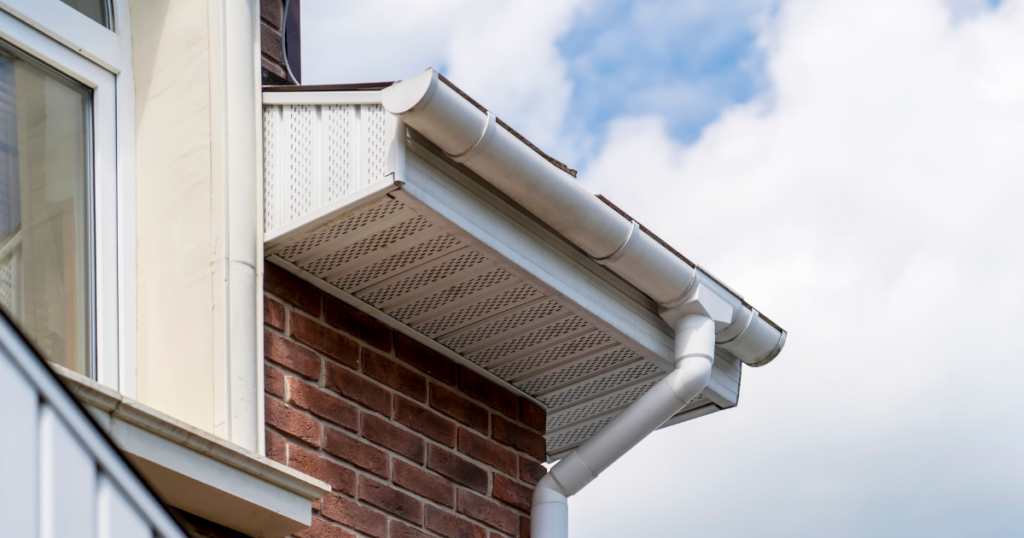
Paint Peeling on Exterior Trim or Roof Overhang
Peeling paint in these areas can be due to moisture escaping from the attic and affecting the exterior parts of the house.
Unpleasant Odors or Stale Air
A poorly ventilated attic can cause a musty or stale smell, which can permeate into the living spaces.
Steps to Improve Roof Ventilation
If you or your roofer have noticed major airflow problems, there are practical steps you can take to enhance the ventilation in your roof, thereby protecting the structure and improving the overall living environment:
1. Balance Intake and Exhaust Vents
Ensure a balance between intake and exhaust ventilation. The goal is to have equal air entering through soffit or eave vents and exiting through ridge or gable vents. This balance is crucial for adequate airflow.
2. Install Additional Vents if Necessary
Based on the inspection, you may need to add more vents. This could include installing ridge vents along the roof peak or soffit vents at the eaves for better intake.
3. Consider Powered Ventilation Solutions
For roofs that struggle with natural ventilation, consider installing powered vents like electric or solar-powered attic fans. These can be particularly effective in regions with high temperatures or homes with specific architectural challenges.
4. Improve Insulation
Proper insulation in the attic keeps the living spaces below comfortable and reduces the strain on ventilation systems. Ensure that insulation does not block the flow of air from intake vents.
5. Clear Obstructions and Repair Damage
Regularly check and clear any blockages in vents. This includes removing debris, nests, or insulation that may obstruct airflow. Also, repair any damaged vents or screens to ensure they function correctly.
6. Seal Attic Air Leaks
Sealing leaks between the attic and living spaces helps prevent warm, moist air from entering the attic. This can improve overall ventilation and reduce the risk of moisture-related issues.
7. Regular Inspections
Conduct regular roof inspections, especially after extreme weather conditions, to ensure that the ventilation system remains effective and unobstructed.
You can usually check in your attic to see if the ventilation is working well. If you need to check the exterior, try using binoculars to see your vents from the ground.
8. Consider Professional Ventilation Systems
In rare cases, it might be necessary to install a more comprehensive ventilation system.
Normal ventilation may not be enough to keep the moisture and heat out for homes with complex roofing designs or historic homes.
Roofing professionals can advise on professional systems like attic baffles, which help maintain a clear path for airflow from soffit to ridge vents.
Help Your Roof Breathe—Contact Us for a Ventilation Estimate Today
Poor ventilation can cause a range of problems, from mold and mildew growth to poor structural integrity.
If you’ve noticed any of the signs of poor roof ventilation in your home, or if you’re simply aiming to ensure the longevity and health of your roof, don’t wait for small issues to become major problems. GP Martini Roofing is here to help you with all your roofing ventilation needs. Contact us today for a free estimate.
FAQs
Why is ventilation important in summer and winter?
In summer, proper ventilation prevents attics from becoming excessively hot, reducing air conditioning costs and preventing shingle deterioration. In winter, it prevents warm, moist air buildup, decreasing the risk of ice dams and related water damage.
How does poor attic ventilation affect indoor air quality?
Poor ventilation can lead to moisture buildup, causing mold and mildew growth. This damages the roof structure and can degrade indoor air quality, posing health risks.
What are some common signs of poor roof ventilation?
Signs include high indoor temperatures during summer, especially on upper levels; moisture or condensation in the attic; rusty attic fasteners; curled or buckled shingles; peeling exterior paint; and musty or stale odors inside the home.
How do I improve roof ventilation?
Homeowners can balance intake and exhaust vents, install additional vents if necessary, consider powered ventilation solutions, improve attic insulation, clear obstructions in vents, seal attic air leaks, and conduct regular inspections.
Can poor attic ventilation lead to structural damage to the roof?
Yes, without proper ventilation, condensation can form, leading to wood rot in the roof decking and framing, and weakening the roof’s structural integrity.