The 5 Benefits of Attic Insulation for Your Home
What You’ll Learn
Is attic insulation really worth it for my home?
Yes, attic insulation is one of the most effective upgrades you can make for comfort, energy savings, and protecting your home. It helps keep your house warmer in the winter, cooler in the summer, lowers your energy bills, and even extends the life of your roof.
In This Blog:
You’re probably not thinking about your attic right now.
But what’s going on up there impacts your comfort and wallet.
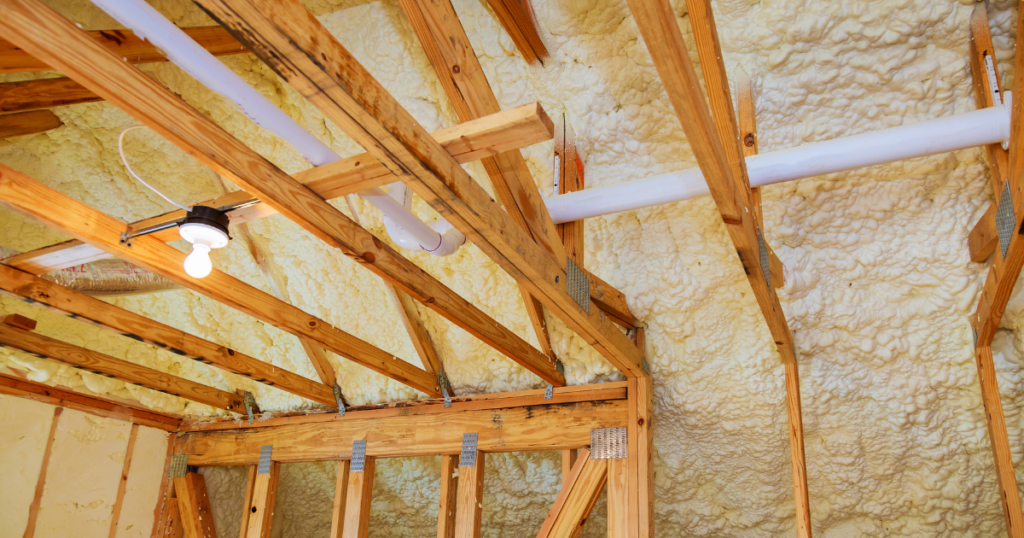
Attic insulation stops thermal transfer and keeps a stable temperature within your living spaces.
It is more than just filling unseen spaces. It’s a strategic home upgrade that affects your home’s efficiency and durability.
Let’s dive into the benefits of outfitting your attic with insulation.
Enhanced Energy Efficiency
Attic insulation is a key factor in improving your home’s energy efficiency. It keeps your living spaces comfortable without overworking your HVAC system.
Creating a Thermal Barrier
Attic insulation creates a thermal barrier that restricts the passage of heat.
In the winter, it traps heat inside.
During the summer, it keeps your AC inside of your home.
This thermal regulation is crucial because the roof is often a primary area where heat is gained or lost.
Reducing HVAC Strain and Costs
With a well-insulated attic, your HVAC system doesn’t have to work as hard to heat or cool your home.
This lowers your energy bills and decreases wear on your HVAC equipment.
According to the Environmental Protection Agency (EPA), proper insulation can save homeowners an average of 15% on heating and cooling costs.
Year-Round Comfort
Here’s how properly installed and maintained attic insulation can enhance comfort throughout your home all year long.
Stabilizing Indoor Temperatures
Attic insulation plays a crucial role in moderating your home’s internal climate.
It helps maintain a consistent indoor temperature by acting as a barrier that slows the transfer of heat through your roof.
This stability means you won’t have to adjust your thermostat constantly.
Eliminating Temperature Fluctuations
Insulation also makes heat distribution more even in your home. It stops cold drafts in the winter and reduces heat buildup in upper rooms in the summer.
Protection for Your Roof
Attic insulation provides benefits across different seasons for your roof’s longevity and integrity.
Winter
During the colder months, heat escaping from your home can cause snow on the roof to melt unevenly.
Without proper insulation, this meltwater refreezes at the roof’s edge, forming ice dams.
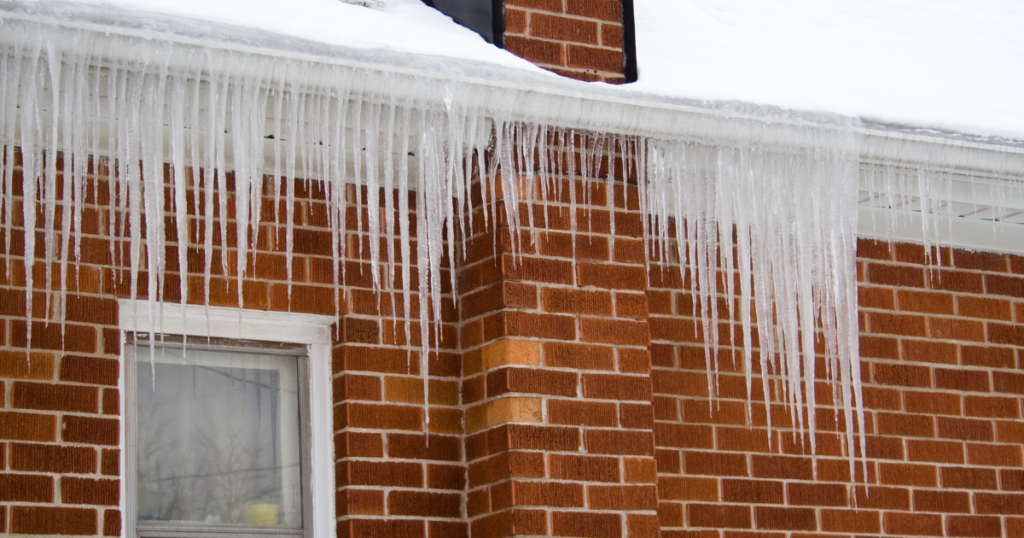
These dams cause water to back up underneath the shingles, leading to leaks and water damage inside your home.
Good attic insulation keeps the roof at an even temperature. This prevents the melting and freezing that cause ice dams.
Summer
During the hot summer months, inadequate attic insulation and ventilation make your air conditioning system work harder and elevate the temperature of your roofing materials.
Over time, this increased heat causes your shingles to age prematurely—curling or cracking in the relentless sun.
Insulating your attic keeps the cool in. This helps prevent heat damage and saves your shingles.
Noise Reduction
Attic insulation is well-known for saving energy and enhancing comfort. However, its ability to reduce noise from nearby airports, train stations, and busy roads is a significant and often overlooked benefit.
Attic insulation absorbs sound waves well. This stops them from entering your home.
Fiberglass and cellulose are good at trapping these waves, thanks to their dense, fibrous structures.
By filling up the spaces between your attic’s joists and rafters with these materials, you create a thick barrier that sound struggles to penetrate.
Indoor Air Quality Improvement
Attic insulation plays a vital role in maintaining and enhancing the air quality within your home.
Reducing Infiltration of Dust and Debris
Attics can be a major dust and debris source, particularly if unfinished or poorly sealed.
Properly insulating and sealing your attic significantly reduces the amount of dust and debris that enters your home from above.
Controlling Moisture and Preventing Mold Growth
Good attic insulation maintains an even temperature throughout, rarely allowing the air to reach its dew point.
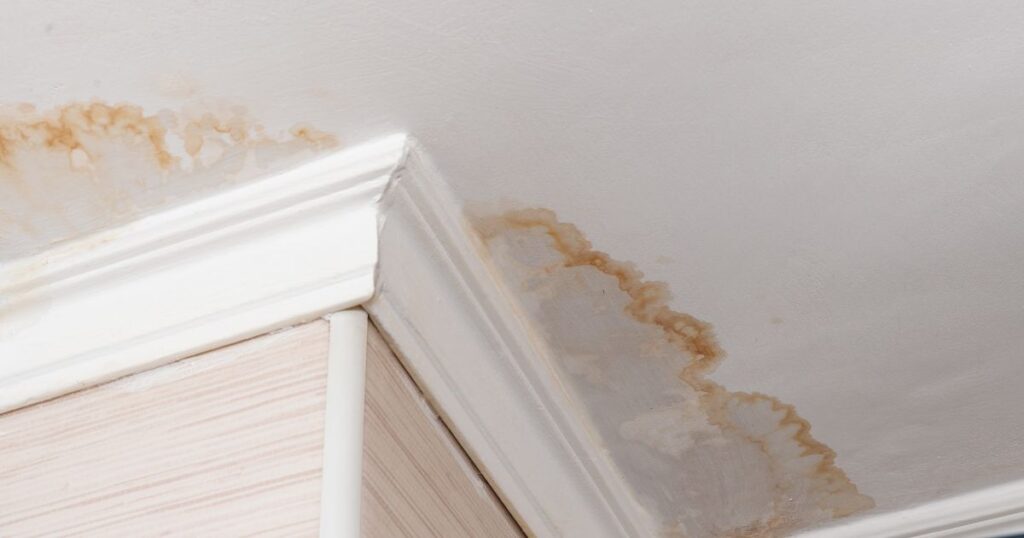
Insulation helps by reducing condensation and moisture in your attic. This helps prevent mold and mildew.
These fungi damage your home’s structure. They also pose serious health risks for individuals with asthma or other respiratory conditions.
Partner with Martini Roofing for Expert Insulation Services
Attic insulation plays a critical role in the health of your roof and the efficiency of your home.
It helps to maintain a consistent temperature throughout your home. This reduces the strain on your HVAC system and leads to significant cost savings.
Our team is ready to help you select and install the perfect insulation solution to meet your needs.
Contact Martini Roofing today!
FAQs
Will insulating my attic make my house warmer?
Yes, insulating your attic effectively retains heat within your home during colder seasons, ensuring a warmer indoor environment.
It acts as a barrier that minimizes heat loss through the roof, helping to maintain consistent and comfortable indoor temperatures.
Does new attic insulation increase home value?
Indeed, depending on the type of insulation installed and the size of your home, installing new attic insulation can enhance its market value. Generally, your home’s value can increase by 2 to 6%.
Upgraded insulation improves the home’s energy efficiency, which is a desirable feature for prospective buyers looking for properties with lower energy costs and better thermal comfort.
What are the disadvantages of attic insulation?
The only disadvantage of attic insulation is that it can’t be installed correctly.
This might include improper installation that leads to ventilation issues, causing moisture buildup and mold growth.
Additionally, using incorrect insulation materials may not provide the desired thermal resistance, resulting in less effective insulation.
Can you put too much insulation in an attic?
Yes, excessively insulating an attic can lead to problems such as reduced airflow, blocked ventilation openings, trapped moist air, potentially causing structural, dampness, and decay, and reduced effectiveness of the insulation itself.