Solar Roofing in Extreme Weather: Storm Protection, Performance & Durability
What You’ll Learn
How does solar roofing perform in extreme weather conditions?
Solar roofing systems are built to withstand extreme weather like heavy rain, hail, snow, and high winds while continuing to generate power at reduced efficiency during storms or cloud cover. With proper installation and maintenance, they remain durable, weather-resistant, and reliable year-round.
In This Blog:
There’s no sun in sight.
It’s raining cats and dogs, and the wind is howling.
How did your solar roofing system hold up?
In areas like Chester County, which is prone to extreme weather such as heavy snow, high winds, or even hail, having a solar roof built to withstand harsh conditions is essential.
How Well Do Solar Roofing Systems Hold Up in Severe Weather?
Solar roofing systems are built to be resilient and engineered to endure a range of challenging weather conditions.
While no roof completely escapes the impact of the elements, a well-designed solar roof offers specific protections and materials to manage heavy rain, hail, and snow.
Heavy Rain
In Pennsylvania, heavy rain is common, especially in spring and late summer.
High-quality solar systems are equipped with advanced waterproofing layers that act as a shield against water intrusion.
These layers ensure that rainwater cannot seep beneath the shingles or reach the underlying roof structure.
Hail
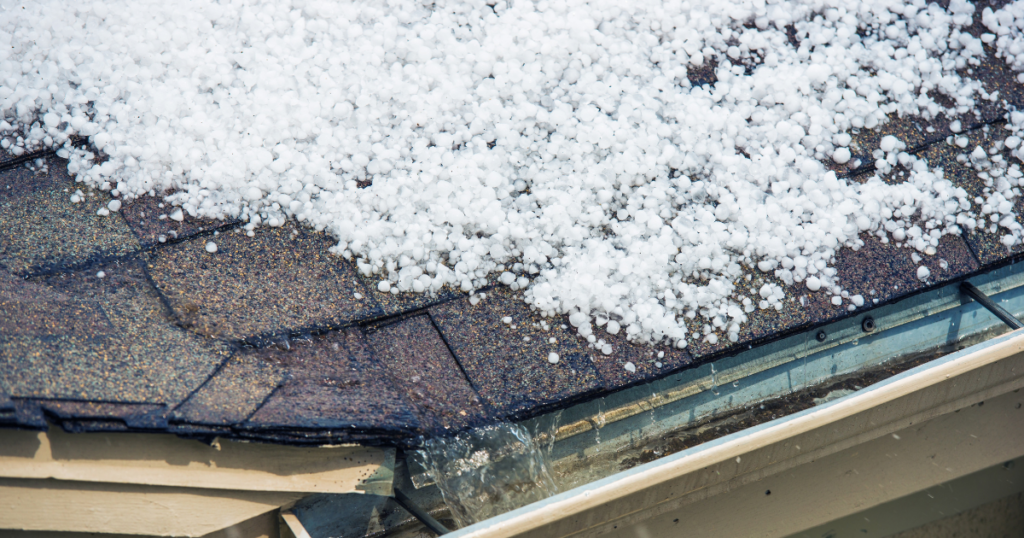
Solar roofing materials are constructed with tempered glass, designed to handle hail impacts up to one inch in diameter, moving at 50mph.
This tempered glass is comparable in strength to a car windshield, which must also withstand various impacts and weather extremes.
Snowstorms and Ice
Solar shingles are dark and absorb heat, which helps snow to melt more quickly than on traditional roofing materials.
This means that, in many cases, snow naturally slides off the shingles without any intervention, ensuring that energy generation resumes as soon as sunlight returns.
Wind
Pennsylvania experiences occasional high-wind weather, especially during fall storms.
Solar roofing systems undergo rigorous wind-resistance testing, typically ensuring stability up to wind speeds of about 140 mph.
This level of resistance exceeds standards for traditional roofs.
Power During Extended Cloud Cover or Major Storms
Solar roofing systems are designed to work most efficiently with direct sunlight, but they still perform under cloud cover, albeit at a reduced output.
Grid-Tied Systems
Most residential solar roofing systems are grid-tied, which means they remain connected to the local power grid.
When your solar shingles don’t produce enough energy—whether due to overcast weather, storms, or nightfall—you seamlessly draw power from the grid.
Another benefit of grid-tied systems is net metering, which allows you to send excess solar power back to the grid when your solar shingles produce more than your household needs.
This helps offset any power you draw from the grid during low-sunlight periods, lowering your overall energy costs.
Battery Backup Systems
Winter storms and overcast days are frequent in Chester County.
Adding a battery backup is one of the most effective ways to maintain power during periods of low sunlight.
A battery system stores excess energy generated on sunny days, allowing you to draw from this reserve during cloudy periods, storms, or even at night.
Maintenance After Significant Storms
When extreme weather sweeps through Pennsylvania, post-storm maintenance keeps your solar roofing system in top condition.
After a significant weather event, follow these steps to ensure your system remains efficient and undamaged:
Conduct a Visual Inspection
Start with a basic visual check.
Walk around your property to inspect your solar shingles from the ground for any visible signs of damage.
Look out for cracks, bent frames, or connections that appear loose.
Additionally, check for branches, leaves, or other debris that may have landed on or around the shingles.
Keeping a pair of binoculars handy helps you safely view hard-to-reach areas.
Schedule a Roof Inspection
Check the flashing, shingles, and supports around your solar shingles, as wind sometimes loosens these areas.
Since your shingles are integrated directly into the roofing material, look for signs of wear or gaps where water might enter.
For a thorough evaluation, consider hiring a professional roofer familiar with solar installations to assess your roof’s condition.
Clean Debris from Shingles
Over time, debris such as dirt, leaves, and dust builds up on your solar shingles, which may be worsened by storm activity.
After a storm, gently brush off any debris or rinse the shingles with a hose if your manufacturer allows it—just avoid using high pressure.
In cases of heavy debris, a soft-bristle brush is effective for removing dirt without scratching the surface.
Preparing Your Solar Roofing System for Extreme Weather
Whether it’s snow, high winds, or heavy rain, preparing your solar roofing system before extreme weather hits minimizes damage and keeps your investment in peak condition.
Here’s a checklist to help you get storm-ready:
Trim Nearby Trees and Branches
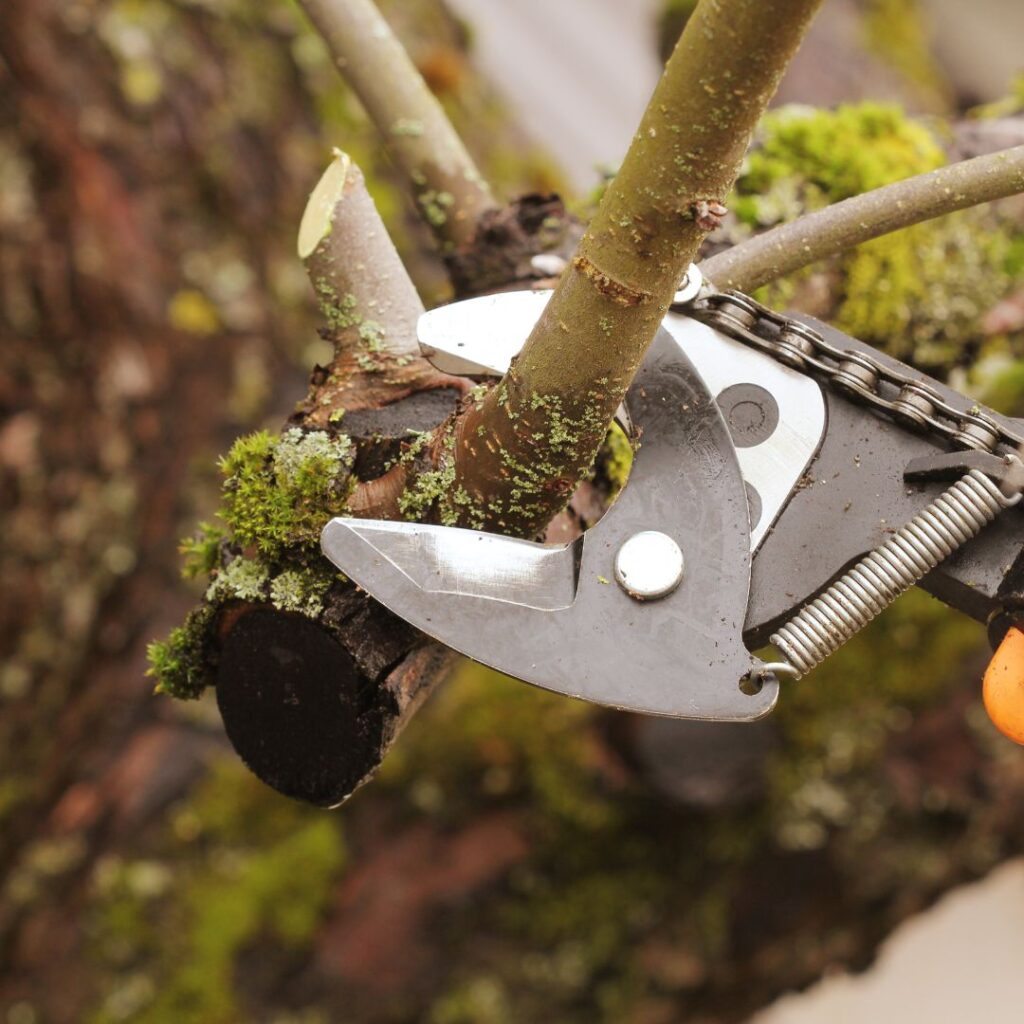
Trimming back any branches that are close to your roof or shingles helps prevent them from breaking off during a storm and damaging your system.
When trimming, ensure that there’s a lot of room between nearby branches and your roof to minimize falling debris and leaves.
Clear the Gutters and Downspouts
Clearing gutters is especially important in Pennsylvania’s fall, when leaves quickly clog drainage.
Debris buildup in your gutters leads to blockages, causing rainwater to pool on your roof instead of draining properly.
So while your solar shingles are offset from the edge of your roof, pooling water will still affect them.
Before major storms, clean out your gutters and downspouts to prevent these drainage issues and to safeguard both your roof and solar shingles.
Inspect for Cracks or Weak Points
With Chester County’s fluctuating temperatures, minor cracks or gaps in your solar shingles worsen over time, especially when exposed to both winter freezes and summer heat.
Check each shingle and the surrounding roofing material for cracks, loose shingles, or any other weak spots.
Even a small crack in a shingle or a gap in the flashing can let in moisture, which leads to electrical issues or roof leaks.
Battery Backup Check
Before storm season, ensure your backup battery is fully charged.
A fully charged battery stores enough power to get you through short outages or low-sunlight periods.
Shine Through the Storm with GP Martini Roofing
A high-quality solar roofing system is built to endure Pennsylvania’s most challenging weather—from snow-packed winters to unexpected hailstorms.
When it comes to safeguarding your roof and maximizing solar energy potential, professional installation and expert advice are essential.
GP Martini Roofing offers premium solar roofing solutions that combine durability, efficiency, and peace of mind.
Contact GP Martini Roofing today to schedule your consultation.
FAQs
Can solar shingles be damaged by weather?
Solar shingles are built to be highly durable and withstand common weather challenges, including heavy rain, high winds, and snow.
However, extreme conditions—like intense hail or hurricane-force winds—can pose a risk. High-quality solar shingles are tested to ensure they endure typical weather patterns effectively, protecting your roof while generating power.
What temperature can solar shingles withstand?
Solar shingles are engineered to handle a wide range of temperatures, from freezing cold to intense heat. Generally, they perform well in temperatures ranging from -40°F to 185°F. This durability allows them to function efficiently even in areas with extreme temperature fluctuations, like Pennsylvania’s cold winters and hot summers.
What wind speed can solar shingles withstand?
High-quality solar shingles are typically tested to withstand wind speeds of up to 120-140 mph, which covers most high-wind events. This wind resistance makes them suitable for areas prone to storms, such as Chester County, where winds can be strong. Always ensure that professional installation further enhances their wind resistance.
What happens to solar shingles in hailstorms?
Solar shingles are built with impact-resistant materials, often tempered glass, to withstand hail up to about one inch in diameter, moving at 50mph. While very large hail can cause minor surface damage, impact-rated solar shingles offer better protection than standard panels. Opting for impact-resistant shingles provides additional security in hail-prone regions.