Top Roofing Trends for 2024
What You’ll Learn
Should I consider roofing trends when choosing a new roof?
Paying attention to roofing trends can help you secure long-term savings through lower insurance premiums, reduced utility bills, and early leak detection.
Roofing trends like metal, solar shingles, or smart sensors enhance your home’s durability, energy efficiency, and resale value.
In This Blog:
As you relax outside, you can’t help but notice your neighbor’s new roof.
It’s not just the color that catches your eye—it’s the sleek design and the solar shingles.
This gets you thinking: maybe it’s time to rethink your own roofing choices in 2024.
Roofing Trends in 2024
Metal Roofs
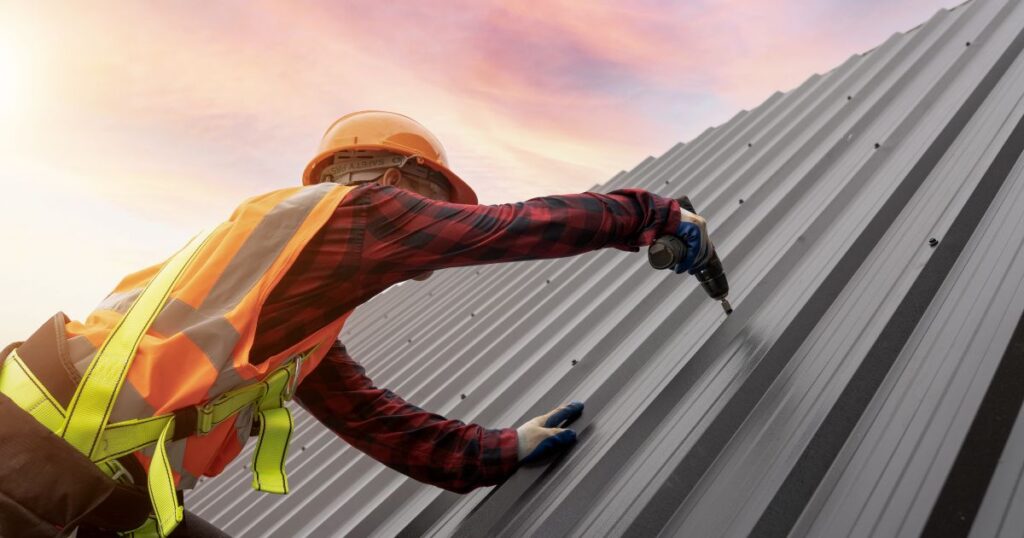
Metal roofs are capturing the attention of homeowners more than ever.
These roofs last up to 50 years or more, minimizing the need for frequent replacements.
They are often made from recycled materials and are recyclable at the end of their lifespan.
Metal roofing is available in a variety of styles, including panels, shingles, and tiles, which can mimic the look of:
- traditional asphalt
- wood
- or even slate roofing
Metal roofs resist cracking, shrinking, and eroding and can withstand extreme weather conditions, including heavy snow, hail, hurricanes, and wildfires.
Many are treated with special reflective pigments to enhance energy efficiency, reflecting heat instead of absorbing it.
Earth Tone Roof Colors
In 2024, the palette for roof colors is deeply inspired by the natural world.
Homeowners are gravitating towards earth tones such as:
- forest greens
- deep blues
- soft, sandy grays
The cooler hues, like sky blue and slate gray, reduce cooling costs as they are highly reflective.
Moreover, manufacturers have responded to this trend by developing roofing materials that maintain their color integrity longer, resisting fading and wear from UV exposure.
Solar Shingles and Smart Roofing
Solar Shingles
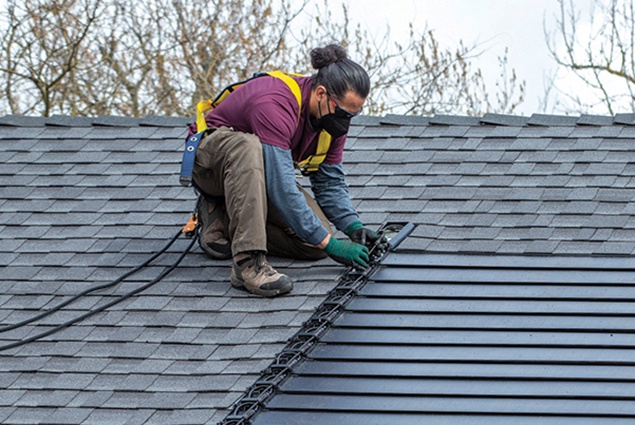
Among the standout innovations of 2024, solar shingles represent a major leap forward.
These shingles generate power with a sleek look that doesn’t compromise on style.
They are particularly effective in sunny regions but are engineered to generate power even on cloudy days.
By generating renewable energy, solar shingles reduce your carbon footprint.
They are made with environmentally friendly materials and can be recycled at the end of their lifecycle.
Smart Roofs
The advent of smart roofing technology is revolutionizing roof management.
Homeowners can now install systems equipped with sensors that monitor:
- temperature
- humidity
- structural integrity
This data can be accessed in real time via your smartphone.
These smart-systems alert homeowners to potential issues before they become serious. For example, they can detect leak-causing moisture or assess wind damage.
Technological Advancements
Waste Material Roofing
Alongside solar shingles, recycled rubber and plastic composites are emerging.
These composites are crafted from repurposed waste materials. What would have ended up in landfills turns into durable, weather-resistant roofing.
This reduces the environmental footprint and contributes to a circular economy.
Green Roofs
These living roofs are layered with vegetation, which brings considerable ecological benefits.
By planting vegetation atop buildings, green roofs act as natural insulators. This leads to lower energy consumption and reduced greenhouse gas emissions.
Furthermore, these green spaces absorb rainwater, reducing runoff.
Composite Shingles
Composite shingles mimic the look of traditional high-end materials like slate.
However, they don’t need slate-grade structural support, reducing the installation and maintenance costs.
They are made from a composite of various synthetic materials. This makes them both lighter and more durable.
Composite shingles are popular due to their impressive resilience against diverse weather conditions:
- blistering heat
- freezing cold
- high winds
- hail
This makes them an ideal choice for regions prone to severe weather.
Furthermore, these shingles offer superior fire resistance.
Fiberglass Asphalt Shingles
Fiberglass asphalt shingles consist of:
- a fiberglass mat coated with asphalt
- a finish of ceramic granules
They’re lighter and more tear-resistant than traditional asphalt shingles.
They are less susceptible to warping over time and provide excellent fire resistance.
Fiberglass asphalt shingles cost less than metal roofing or luxury shingles. However, they do not lag far behind in performance and aesthetic appeal.
Moreover, installing fiberglass asphalt shingles is simple, which can further reduce labor costs.
Long-term Roofing Considerations
Impact on Resale Value
Investing in modern roofing technologies can significantly enhance your home’s marketability and increase its resale value.
As the housing market evolves, more buyers prioritize homes with sustainable and energy-efficient features.
- Roofs with high solar reflectance and thermal emittance ratings, like cool roofs, are particularly attractive.
- Eco-friendly roofing materials, such as solar shingles, recycled rubber, or green roofs, are increasingly sought after.
- Roofs resistant to fading, UV damage, and weather wear can maintain their new look longer, appealing to potential buyers.
- Smart roofing systems incorporating sensors and technology to monitor roof conditions in real-time add a futuristic edge to homes.
- In competitive markets, homes with newer, advanced roofing systems sell faster and at higher prices.
Maintenance
Every roofing material has its own maintenance needs, which will influence your decision.
Metal Roofs
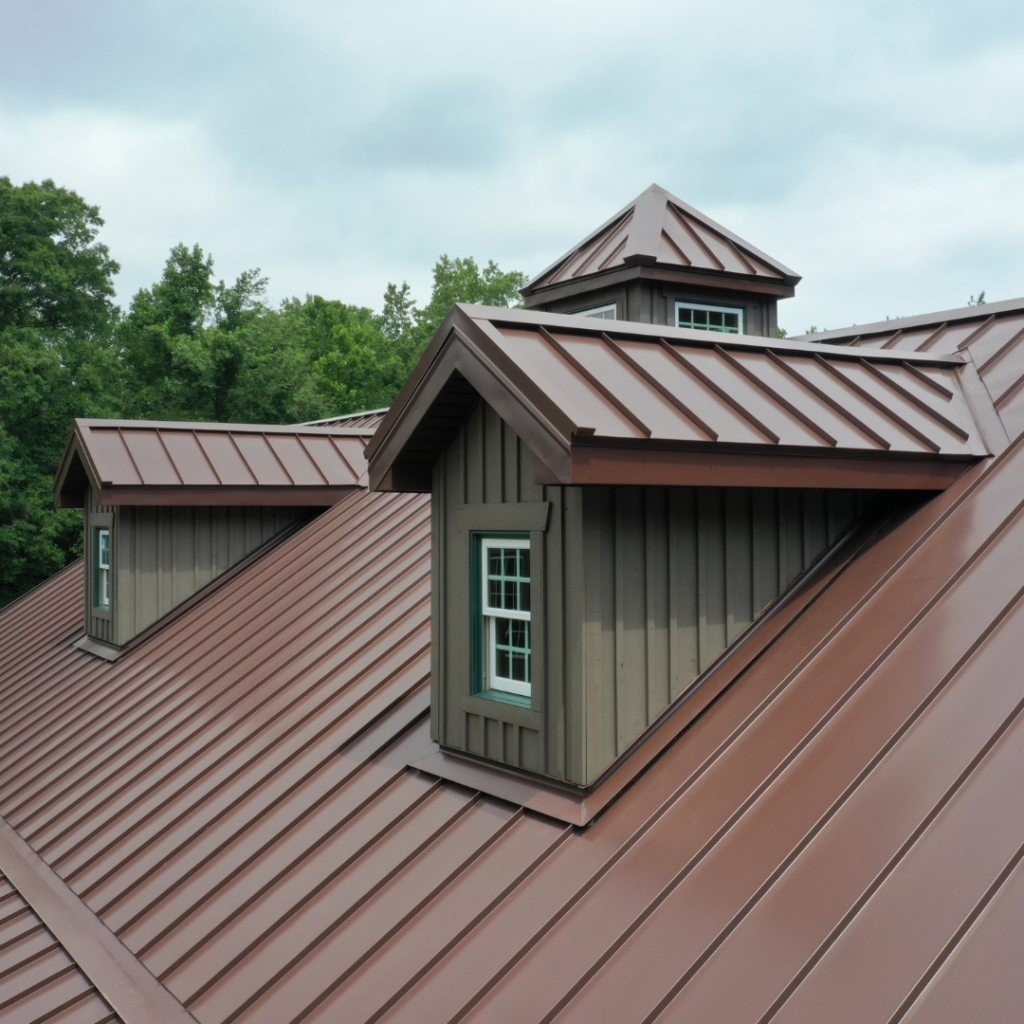
Metal roofs typically require less maintenance than traditional materials.
However, they are not entirely maintenance-free.
It’s essential to perform annual inspections to check for potential issues.
Have your inspector look out for any loose seams or fasteners. These occur due to temperature fluctuations, causing the metal to expand and contract.
Solar Shingles
Solar shingles require specific maintenance to ensure they operate at maximum efficiency.
Dust and leaves can obstruct sunlight and reduce their energy output.
Regular cleaning schedules help your solar shingles absorb as much sunlight as possible.
Gutters
For all roofing types, maintaining clear gutters is essential.
Gutters manage water flow around your home by preventing water buildup on your roof.
Leaves and twigs can clog gutters, creating standing water that can seep under roof tiles or shingles and into the home.
Regular gutter cleaning, ideally at the change of seasons, helps avoid these issues.
Repair
Timely repairs can significantly extend the life of any roofing material, often at a fraction of the cost of full replacement.
For instance, addressing minor issues, such as replacing damaged shingles or sealing leaks, can prevent larger problems in the future.
If done promptly, simple repairs on asphalt shingles can extend their lifespan well beyond their typical 20 to 30-year expectancy, whereas proactive maintenance on more durable materials like metal can minimize the need for more serious repairs later.
Replacement
Materials like metal roofs, while more expensive upfront, offer longevity that can surpass traditional materials.
For example, traditional asphalt shingles might need replacement every 20-30 years, whereas higher-end materials like metal or certain composites can last 50 years or more without major issues.
Energy Savings
Energy-efficient roofing materials such as solar shingles or “cool” roofing options can provide significant savings on energy bills.
These savings should be factored into the overall cost-effectiveness of the roofing choice.
Insurance and Warranties
Some materials may lead to lower insurance premiums due to their impact and fire resistance.
Additionally, manufacturer warranties can offset some long-term costs, making more durable and initially expensive options more attractive in the long run.
Stay Ahead of Trends with Martini Roofing
Navigating the evolving world of roofing can be complex, but you don’t have to do it alone.
We ensure our clients keep up with the times and get the most out of their investment.
From selection to maintenance, we ensure a seamless and satisfying roofing experience.
Contact GP Martini Roofing today and step into the future with confidence.
FAQs
What is the trend in roofing in 2026?
In 2026, the trend in roofing is heavily leaning towards sustainability and technology. Materials like solar shingles and recycled composites are gaining popularity for their environmental benefits.
Additionally, there is a significant interest in smart roofing solutions that integrate with home automation systems.
What is the trend in roof colors in 2026?
Roof color trends in 2026 are shifting towards natural and earthy tones, with various shades of green, blue, and gray.
These colors complement the architectural design and offer reflective properties that contribute to energy efficiency by reducing heat absorption.
What is the coolest type of roofing?
The coolest type of roofing for temperature control is “cool roofing.” These roofs are designed with materials that reflect more sunlight and absorb less heat than standard roofs.
Cool roofs can significantly reduce air conditioning needs, enhancing comfort and lowering energy costs.
What is the most popular roof style?
As of 2026, the most popular roofing materials include metal and composite shingles.
Metal roofs are favored for their durability and sleek appearance, while composite shingles are chosen for their ability to mimic high-end materials like slate and wood shakes, combining aesthetic versatility with enhanced weather resistance.
 Overcoming HOA Challenges to Deliver Cost-Saving GAF Solar Roofing
- Solar Roofing vs. Traditional Roofing: What Homeowners Should Know
- Siding Warping: Why Your Home’s Shield is Failing and How to Fix It
- Metal Roofing Cost Breakdown: Materials, Labor, and Lifespan
- Siding Problems: How to Spot (and Stop) Damage Before It Starts