Felt vs. Synthetic Underlayment: Key Differences Every PA Homeowner Should Know
What You’ll Learn
What’s the difference between felt vs. synthetic underlayment?
Synthetic underlayment is stronger, more tear-resistant, fully water-shedding, lighter to install, and longer-lasting, while felt underlayment is heavier, more prone to tearing and moisture absorption, and typically has a shorter lifespan.
In This Blog:
Your shingles aren’t doing it alone.
What lies beneath your shingles plays an equally important role in ensuring your home stays dry and secure.
That’s where roofing underlayment comes in.
For decades, traditional felt underlayment has been the go-to option for roofers.
However, modern advancements have introduced synthetic underlayment, which outperforms felt in nearly every category.
In this blog, we’ll break down the key differences between synthetic underlayment and traditional felt, and explain why synthetic underlayment is the superior choice for homeowners in Pennsylvania towns like West Chester, Wayne, Malvern, Downingtown, and beyond.
What Is Roofing Underlayment?
Roofing underlayment is a protective barrier installed between the roof deck and the outermost roofing materials, such as shingles or metal panels.
Its main purpose is to provide an extra layer of protection against water intrusion, wind-driven rain, and other elements—especially if the shingles above get compromised.
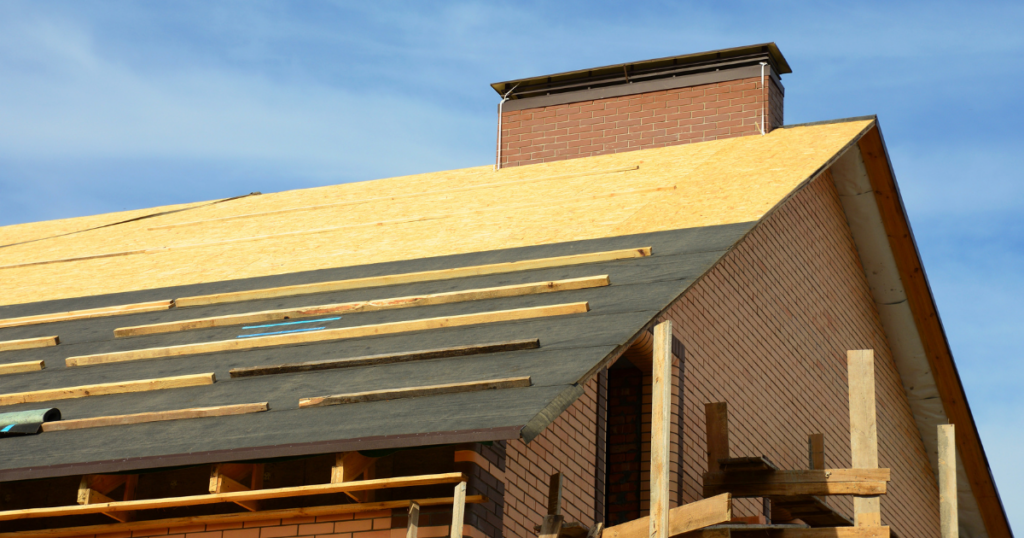
Traditional felt underlayment, also called tar paper, is made from a combination of asphalt and organic or fiberglass materials.
It has served its purpose for years but comes with limitations.
Synthetic underlayment, on the other hand, is made from engineered polymers, offering advanced performance that felt simply can’t match.
It’s more expensive upfront. However, its durability and long-term performance make it a cost-effective choice over time.
Felt vs. Synthetic Underlayment
Durability
The ability of the underlayment to withstand wear and tear is crucial for a reliable roofing system.
Here’s how felt and synthetic underlayment stack up when it comes to long-term durability.
Felt Underlayment: Felt is prone to tearing, especially during installation or in high winds that tear up shingles. Over time, it deteriorates when exposed to water, sun, or fluctuating temperatures, leading to cracks and gaps.
Synthetic Underlayment: Engineered to be tougher and longer-lasting, synthetic underlayment resists tearing, cracking, and degradation. It’s built to hold up against the unpredictable weather patterns we often see in Pennsylvania, from intense summer storms to harsh winter freezes.
In areas like Chester Springs and Glenmoore, where winds can reach 50+ mph during stormy seasons, the synthetic underlayment’s resilience makes it a far better choice for long-term roof protection.
Moisture Resistance
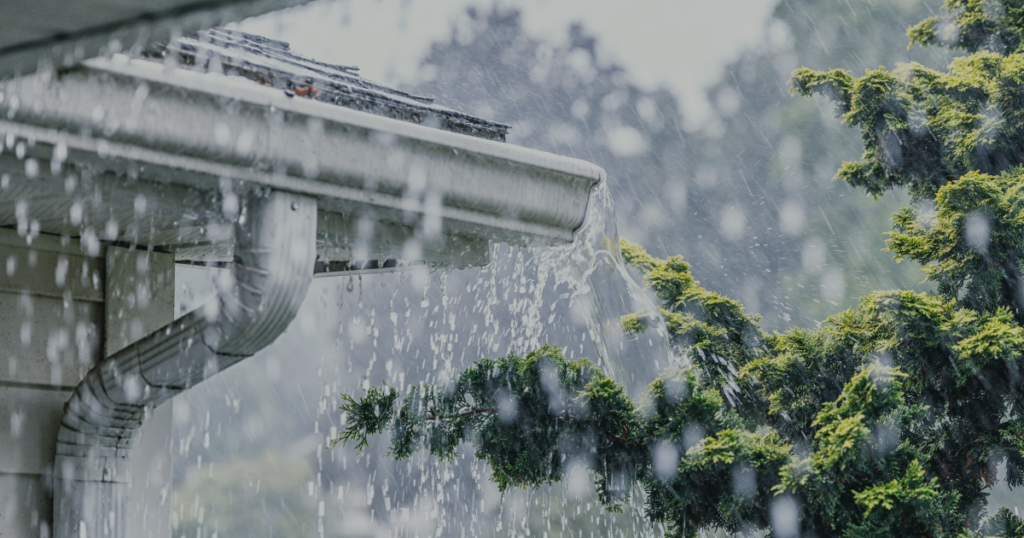
Underlayment plays a critical role in preventing water from reaching your roof deck.
Let’s explore how felt and synthetic underlayments perform in wet conditions.
Felt Underlayment: While felt can repel water temporarily, prolonged exposure to moisture can cause it to absorb water, leading to wrinkling, sagging, or even rotting. This can create pathways for water to seep into your roof deck.
Synthetic Underlayment: Designed to be fully waterproof, synthetic underlayment effectively sheds water without absorbing it. It provides a robust barrier against water intrusion, protecting your roof deck and insulation. The adhesive that seals the underlay to the roof deck will also seal around fastener punctures, creating a truly watertight barrier.
In towns like Phoenixville and Paoli, where snowstorms and ice dams are common in winter, synthetic underlayment ensures that melting snow won’t compromise your roof’s integrity.
Ease of Installation
The right underlayment not only protects your roof but also makes the installation process smoother and safer.
Here’s how felt and synthetic underlayment compare.
Felt Underlayment: Felt is heavier, more cumbersome, and less flexible than synthetic options. During installation, it’s more prone to buckling or tearing, especially in windy conditions.
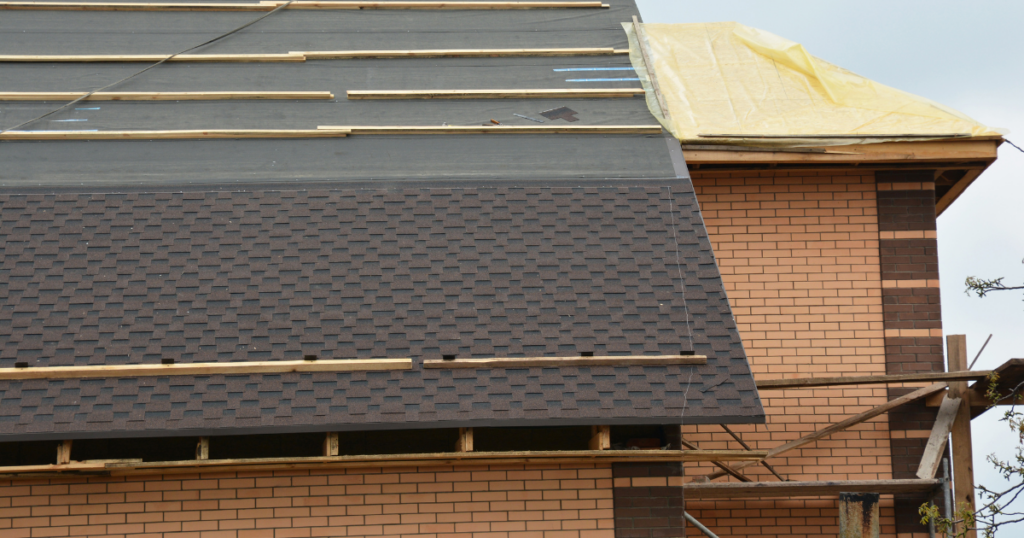
Synthetic Underlayment: Lightweight and easy to handle, synthetic underlayment streamlines the installation process. It often comes with slip-resistant coatings, which creates more confidence for workers installing sloped roofs.
For homes in places like Exton or King of Prussia, where quick and efficient roofing installation is often needed to beat impending storms, synthetic underlayment allows roofers to work safely and swiftly.
Weather Resistance
Pennsylvania homeowners experience a wide range of weather conditions, from sub-zero winters to sweltering summers.
Let’s see how each underlayment holds up against the elements.
Felt Underlayment: High temperatures can cause felt to dry out and become brittle, while freezing conditions can make it stiff and more prone to cracking. Prolonged UV exposure during construction can further degrade its performance.
Synthetic Underlayment: Synthetic materials are engineered to perform well in a wide range of temperatures. They maintain their flexibility in the cold and their strength in the heat. Additionally, most synthetic underlayments are UV-resistant and can stay exposed for months without losing effectiveness.
In regions like Chadds Ford and Glen Mills, where temperature swings can range throughout the year, synthetic underlayment ensures consistent protection year-round.
Longevity and Lifespan
Your choice of underlayment can significantly impact your roof’s overall lifespan.
Let’s look at the long-term performance of felt versus synthetic underlayment.
Felt Underlayment: Felt underlayment has a limited lifespan, especially if your roof experiences frequent weather extremes. It may need to be replaced sooner, which adds to long-term maintenance costs.
Synthetic Underlayment: Synthetic underlayment often lasts as long as your roofing material, making it a one-time investment that pays off over decades.
For homeowners in Kennett Square or Berwyn, where preserving home value and minimizing long-term maintenance are key concerns, synthetic underlayment offers the durability and peace of mind you need.
Why GP Martini Roofing Recommends Synthetic Underlayment
At GP Martini Roofing Co., we’ve been helping homeowners in Pennsylvania towns like West Chester, Phoenixville, and Malvern protect their homes for decades. (See our recent projects).
Based on our experience, we confidently recommend synthetic underlayment for its:
- Enhanced Durability
- Superior Moisture Protection
- Longevity
- Faster Installation
From heavy rain in spring to sweltering heat in summer, followed by snowstorms and icy conditions in winter, every layer of your roof matters.
Whether you’re replacing an aging roof or installing a brand-new one, trust GP Martini Roofing Co. to deliver unmatched craftsmanship and customer service.
Contact us to schedule a free estimate. Let us help you build a roof that lasts.
FAQs
Is synthetic underlayment more expensive than felt?
Yes, synthetic underlayment is generally more expensive upfront. However, its durability and long-term performance make it a cost-effective choice over time.
Can synthetic underlayment be used with any roofing material?
Yes, synthetic underlayment is compatible with most roofing materials, including asphalt shingles, metal roofs, and tile.
How long can synthetic underlayment be exposed to the elements?
Most synthetic underlayments can be exposed for up to 90 days or more, depending on the product. Always check with your roofing contractor for specific recommendations.
Does synthetic underlayment improve energy efficiency?
While synthetic underlayment itself does not directly improve energy efficiency, its superior water resistance and durability help maintain the roof’s overall performance, which can contribute to a more efficient home.
Is synthetic underlayment environmentally friendly?
Synthetic underlayment is often made from recyclable materials, making it a more eco-friendly option compared to traditional felt. Check with your contractor for specific product details.
 Overcoming HOA Challenges to Deliver Cost-Saving GAF Solar Roofing
 Solar Roofing vs. Traditional Roofing: What Homeowners Should Know
 Siding Warping: Why Your Home’s Shield is Failing and How to Fix It
 Metal Roofing Cost Breakdown: Materials, Labor, and Lifespan
 Siding Problems: How to Spot (and Stop) Damage Before It Starts