How Asphalt Shingles Stand Up to Evolving Climate Conditions
What You’ll Learn
How do asphalt shingles perform in different climate conditions?
Asphalt shingles are designed to handle a wide range of climate conditions, from intense heat and UV exposure to freezing temperatures, moisture, and high winds.
With modern materials and proper installation, they provide durable, energy-efficient protection in both hot and cold environments.
In This Blog:
The climate is evolving.
Your approach to roofing should, too.
Your roof faces the brunt of climate extremes—from Chester County’s scorching summers to icy winters.
If you’re contemplating a roof update, make an informed choice for climate resilience.
Here’s how asphalt shingles stack up when it comes to weathering the climate.
The Role of Color and Composition
Reflective technologies in the color and composition of asphalt shingles are transforming how roofs interact with their environments.
Highly reflective shingles (with high solar reflectance index (SRI) values) are becoming a popular choice for making homes more energy efficient.
Color
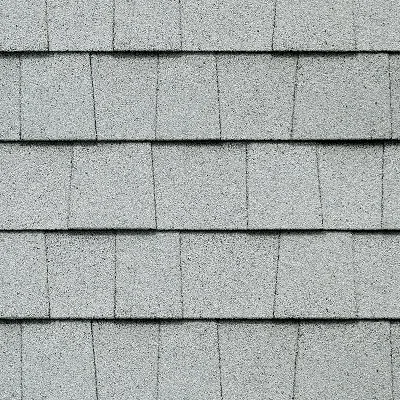
Shingle color influences the thermal efficiency of your home.
Light-colored shingles (“cool roofs”) reflect more sunlight.
These shingles help maintain cooler roof and attic temperatures.
The implications of this temperature reduction are substantial in terms of energy savings.
By lowering your AC usage, energy-efficient asphalt shingles can reduce cooling costs by about 10-15%.
Conversely, dark-colored shingles can be advantageous in cooler climates or the shaded woods of Chester County’s outskirts.
They absorb heat from the sun, which helps in:
- naturally heating your home during the cold months
- the melting of snow and ice on your roof
Composition
Today’s shingles come with UV-resistant granules embedded in the asphalt mix.
These granules reflect ultraviolet rays that cause shingle degradation over time.
Additionally, manufacturers are increasingly using modified asphalt in the shingle composition to improve flexibility and resistance to environmental factors.
Some shingles now feature a double-layer composition where two shingle strips are laminated together.
This double layering adds depth and dimension to the roof and provides an extra barrier against water infiltration and wind uplift.
Enhanced Durability Against Extreme Weather
Impact Resistance
Today’s asphalt shingles can endure the impacts of hail and other debris.
The highest-quality shingles achieve a Class 4 rating, the top classification for impact resistance according to Underwriters Laboratories (UL) 2218 standards.
Manufacturers use modified asphalt formulations that enhance the flexibility of the shingles.
Some incorporate rubber-like synthetic materials, which absorb and dissipate the energy from impacts. This prevents cracks and breaks that can lead to leaks.
Wind Resistance
Wind resistance is another pivotal feature of high-performance asphalt shingles.
Many top-tier asphalt shingles are now rated to resist wind speeds of up to 130 miles per hour, though wind speeds in Chester County rarely get that high.
One key design aspect is adhesive strips along the edges of the shingles.
These strips help to lock the shingles together and securely attach them to the roof deck.
The adhesive also seals the shingles against driving rain to protect against moisture.
Combatting Moisture Challenges
Freeze-Thaw Cycles
In cold climates, conditions can lead to the premature degradation of roofing materials.
This cycle begins when water infiltrates small crevices or under shingles during those random 70-degree days in the winter.
As temperatures drop, the water freezes and expands, exerting pressure on the roofing material.
Over time, this repeated expansion and contraction can cause materials to fracture and lose their integrity.
Asphalt shingles designed for these environments expand and contract without cracking.
Ice Dams
Ice dams present a unique challenge.
They form when heat escaping from the attic melts the snow on the roof.
As it reaches the colder edge of the roof, the water refreezes and forms a ridge of ice that traps water.
If this water pools against the dam, it can seep back up under the shingles and through the roof deck. This will cause leaks inside your home.
Proper attic insulation and ventilation are vital to combat the risk of ice dams.
- Insulation reduces heat escaping through the roof, minimizing the thawing of snow
- Adequate ventilation allows warm attic air to escape outside, eliminating hot and cold spots
Water Infiltration
Water infiltration can be a silent destroyer of roofs if not properly managed.
The underlayment beneath your asphalt shingles is just as important as the shingles.
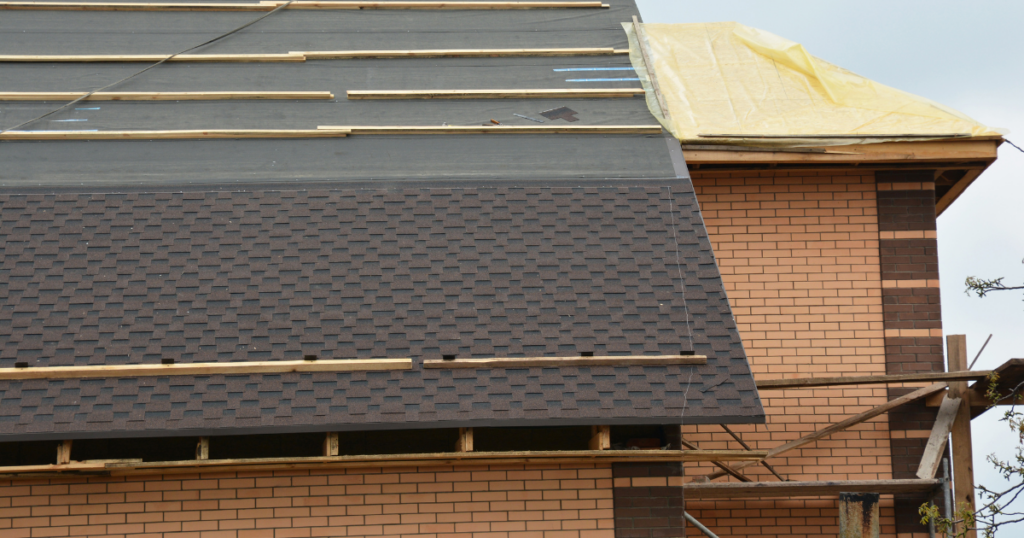
Modern underlayments are typically made from synthetic materials that offer superior protection compared to older felt types.
These high-quality underlayments are waterproof and breathable, allowing moisture from inside the attic to escape while blocking water from entering.
This dual action helps prevent water damage from leaks and mold growth due to trapped moisture.
Sustainability and Longevity
Recycled Materials
Several leading manufacturers have started incorporating recycled materials into their products.
These can include post-consumer waste, such as:
- recycled asphalt
- post-industrial rubber
- plastic
These materials reduce the carbon footprint of making new shingles and the landfill growth that comes with throwing out old ones.
Longevity
A roof’s lifespan is a critical aspect of its sustainability. The longer it lives, the less often it has to be replaced.
The durability of asphalt shingles has seen considerable improvements thanks to advancements in material science and manufacturing techniques.
Asphalt shingles are designed to last between 20 and 30 years.
Some premium products even offer warranties that extend beyond this range.
Long-lasting roofs contribute to reduced waste and lower long-term expenditures on roofing materials, making them an attractive option.
Stay Ahead of the Climate with Martini Roofing
Chester County’s climate demands cutting-edge asphalt shingle solutions tailored to withstand harsh conditions.
With expertise in the latest roofing technologies and a commitment to sustainability and customer satisfaction, we’re here to help you choose the best roofing options for your home.
Contact Martini Roofing today and ensure your home remains safe, efficient, and stylish, no matter the weather.

FAQs
Does hot weather affect shingles?
Hot weather can significantly affect lower-grade asphalt shingles, causing them to warp, crack, or become brittle due to the softening of the asphalt with heat. Prolonged exposure to heat can also accelerate the degradation of the protective granule surface, leading to a reduced lifespan and decreased efficiency.
Are asphalt shingles good for cold climates?
Asphalt shingles are suitable for cold climates because they provide effective waterproofing and can endure heavy snow loads. Modern asphalt shingles also come with features like algae resistance and improved adhesive qualities to resist wind lift and ice damming, making them more durable in freezing temperatures.
What are the advantages of asphalt shingles?
Asphalt shingles offer a balance of affordability, durability, and aesthetic flexibility, making them a popular choice for many homeowners. They are easy to install and repair, are available in a variety of colors and styles, and can be engineered to offer improved resistance to environmental factors.
How do asphalt shingles affect the environment?
Asphalt shingles are often criticized for their environmental impact due to the use of petroleum products and their contribution to landfill waste at the end of their lifespan. However, advancements such as recycling old shingles into new roads and developing eco-friendly shingles with recycled content are helping to mitigate these effects.