Protect Your Home with the Right Roofing Flashing
What You’ll Learn
What are the different roof flashing types, and which ones does my home need?
Different roof flashing types are designed to protect specific areas of your roof, like chimneys, valleys, and edges, from water damage. The right choice depends on your roof’s design, materials, and local weather conditions, and using the correct flashing in the right place helps prevent leaks and costly repairs.
In This Blog:
Drip, drip, drip…
After a heavy rainstorm, you notice a small drip near where your chimney meets the ceiling.
It doesn’t seem like much at first, but that trickle can become a costly headache over time.
The cause?
Improperly installed or damaged roof flashing.
Understanding roof flashing and how it works to protect your home helps you prevent leaks and long-term damage.
Roof Flashing and Why It’s Important
Roof flashing is typically made from durable, weather-resistant metal, such as aluminum, copper, or galvanized steel.
It serves as a barrier that directs water away from the most vulnerable parts of your roof.
Flashing is placed at critical junctions where the roof meets vertical surfaces like walls, chimneys, and dormers, as well as areas where two roof planes meet, such as valleys.
Without it, water easily seeps into these areas, leading to leaks and internal damage.
Poorly installed or damaged flashing allows water to penetrate the roof, which leads to several issues:
- Over time, that water causes wood rot, which weakens your home’s structural support.
- Mold and mildew develop in damp spaces, creating health hazards and expensive repairs.
- Prolonged water exposure may even lead to foundation damage, especially if the water trickles down into the walls.
How to Tell If Your Roof’s Flashing Needs Repair or Replacement
Identifying when your roof’s flashing needs repair or replacement helps maintain the overall health of your roofing system.
Here are the key signs to watch for:
Rust or Corrosion
Metal flashing, particularly older types made from galvanized steel or aluminum, is susceptible to corrosion over time.
This is especially true in places like Pennsylvania, where moisture levels fluctuate throughout the year.
Rust weakens the flashing, reducing its ability to create a watertight seal.
Warping or Buckling
Flashing should lie flat against the roof or vertical surfaces it’s meant to protect.
When flashing becomes warped, buckled, or bent, it no longer creates a tight seal, leaving openings for water to seep through.
Warping often occurs when flashing has been improperly installed or when it’s been stressed over time by the weight of snow or heavy winds.
Missing Sections
Missing flashing is a clear indicator of an issue that needs immediate attention.
Flashing is typically installed in sections, and when parts go missing—whether due to storm damage, high winds, or improper installation—gaps are created that allow water to enter your home.
This is especially common in roof valleys or around chimneys, where flashing is essential to directing water away from sensitive areas.
Water Damage
One of the most telling signs that your flashing has failed is water damage inside your home.
If you notice stains on your walls, ceilings, or around chimneys, this could indicate that water is making its way past the flashing.
Moisture stains often appear in the form of dark spots, yellowing areas, or even bubbling paint.
The Different Types of Roof Flashing
Roof flashing isn’t a one-size-fits-all solution.
Different areas of your roof require different types of flashing to prevent water intrusion.
Here’s a closer look at the most common types of flashing, how they work, and where they are used.
Step Flashing
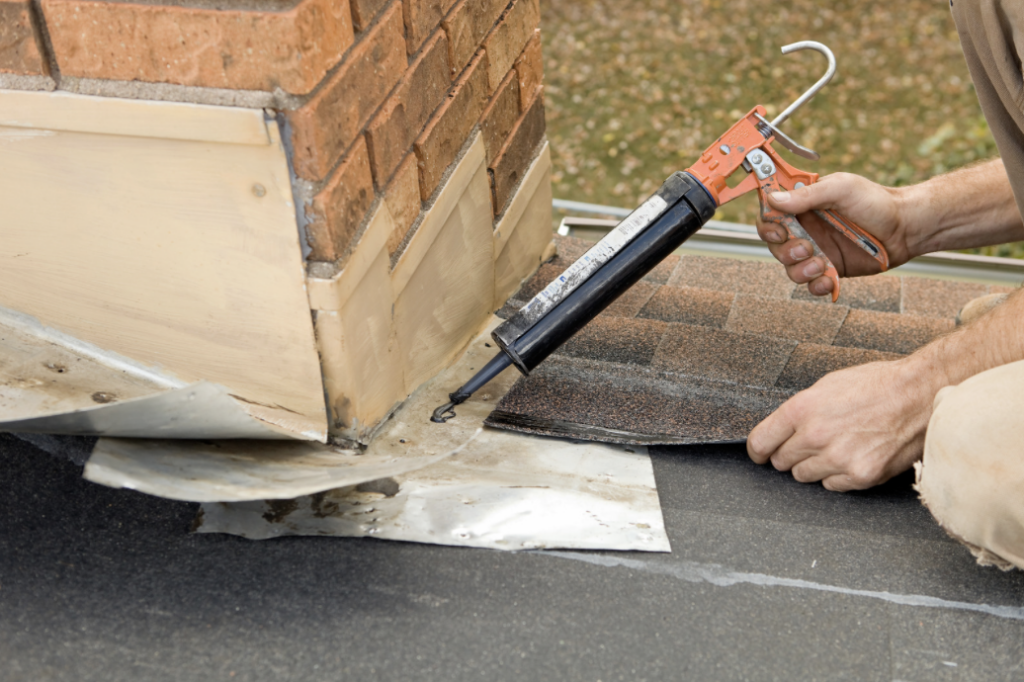
Where It’s Used
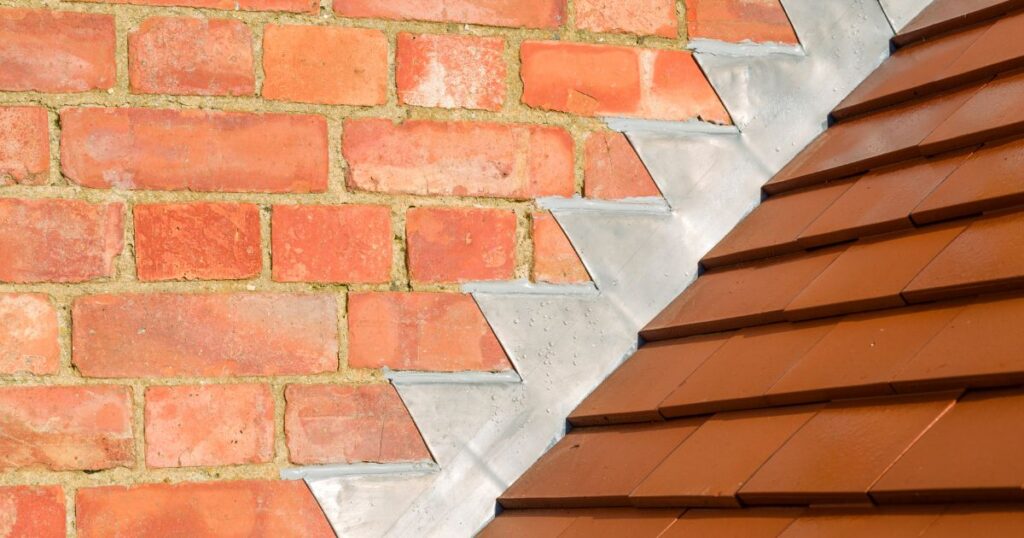
Step flashing is commonly used where the roof meets vertical walls, such as alongside chimneys, dormers, or second-story additions.
How It Works
This type of flashing is installed in layers, or “steps,” with each piece overlapping the shingle below.
This ensures that water flows downward safely without seeping into the joint between the wall and the roof.
It’s particularly effective on steep roofs, such as those found on older or historic homes common in Chester County.
Valley Flashing
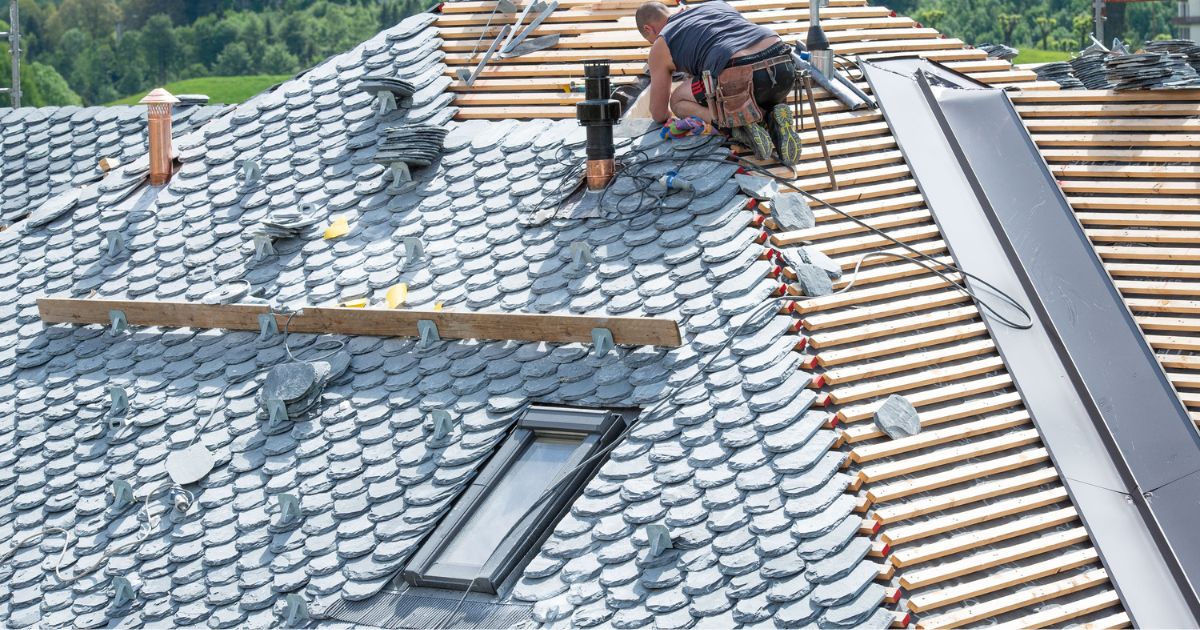
Where It’s Used
Valley flashing is placed in roof valleys, where two roof planes meet and form a V-shape.
How It Works
Roof valleys naturally collect large amounts of rainwater, directing it downward.
Valley flashing helps guide this water safely into the gutters, preventing it from seeping through the roof decking.
Chimney Flashing
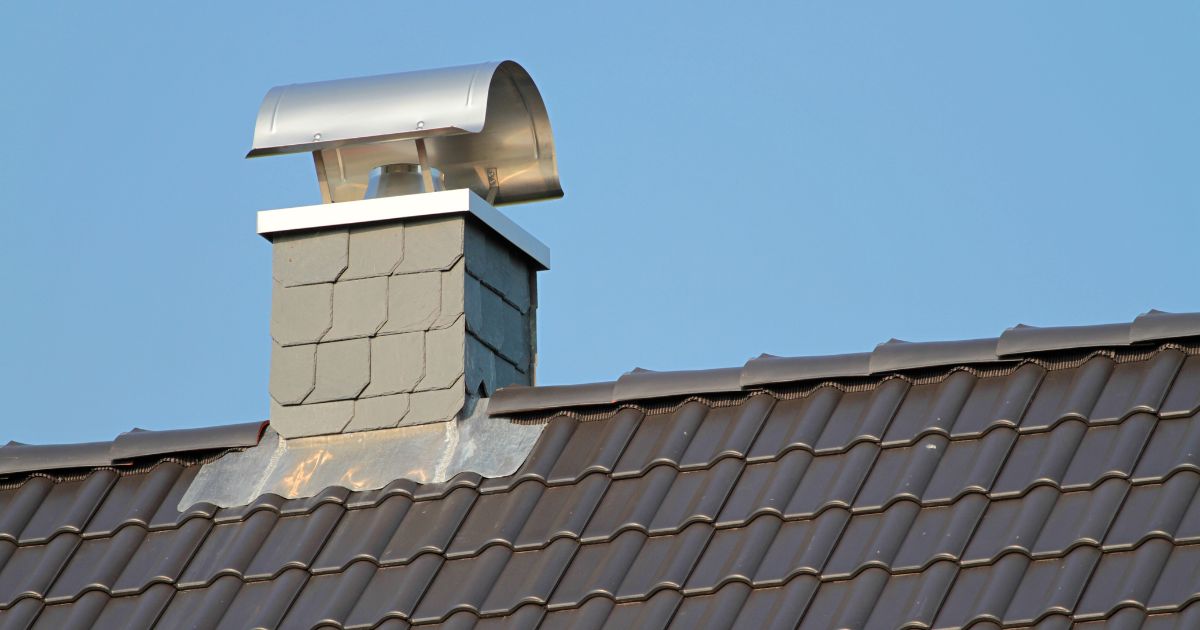
Where It’s Used
Chimney flashing is applied where the chimney meets the roof.
How It Works
Chimneys are one of the most vulnerable areas for roof leaks due to the gap between the chimney and the roofline.
Chimney flashing involves two types: step-flashing on the sides of the chimney and counter-flashing on top.
Together, they create a watertight seal, preventing water from running down the chimney and into the home.
Drip Edge Flashing
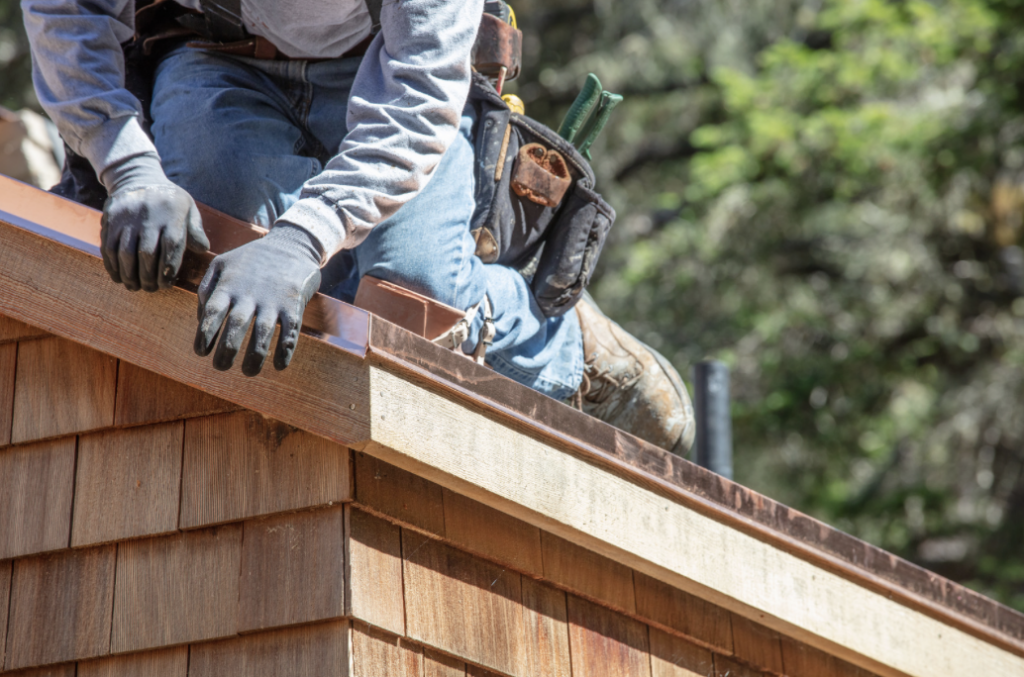
Where It’s Used
Drip edge flashing is installed along the edges of the roof, particularly at the eaves and ridge.
How It Works
This type of flashing is designed to prevent water from running down the roof’s edge and seeping underneath the shingles.
Instead, it directs water into the gutters, protecting the underlying roof decking from rot and moisture damage.
Skylight Flashing
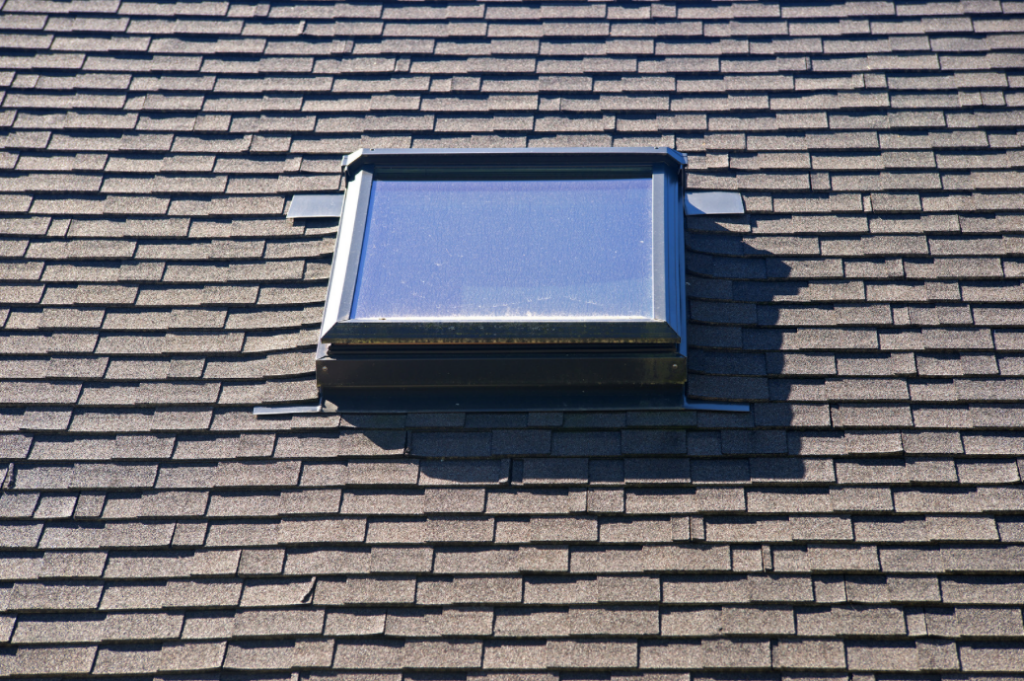
Where It’s Used
Skylight flashing is installed around the perimeter of skylights.
How It Works
Skylights are beautiful but can be potential weak points in your roof’s waterproofing.
Water can easily pool around the edges of a skylight if the flashing isn’t properly installed.
Skylight flashing typically involves a combination of step and continuous flashing to ensure water flows away from the skylight.
Materials Used for Roof Flashing
Aluminum Flashing
Aluminum is a lightweight, flexible material widely used in roof flashing.
It’s easy to install and relatively affordable, making it a popular choice for many residential roofing projects.
Aluminum’s malleability allows it to be shaped easily around roof features like chimneys, skylights, and vents.
However, if it comes into contact with concrete or masonry without proper coating, it corrodes over time.
Copper Flashing
Copper is widely regarded as one of the most durable flashing materials available.
It is highly resistant to corrosion, even in the face of challenging weather conditions like heavy Chester County rain or snowfall.
Copper flashing lasts up to 50 years or more, providing excellent long-term value despite its higher initial cost.
Copper is also aesthetically appealing, especially on high-end or historic homes.
Over time, it develops a natural patina, which protects it from further corrosion and gives it a distinctive look.
Galvanized Steel Flashing
Galvanized steel is another popular material for roof flashing.
This type of steel is coated with a layer of zinc to provide added protection against rust and corrosion.
While galvanized steel is durable, it may eventually show signs of rust, particularly in areas with high moisture levels.
Determining the Right Type of Flashing for Your Roof
Choosing the right type of flashing for your roof depends on several critical factors, such as your roof’s design, the materials used in the roof and flashing, and the weather.
Roof Design
Your roof’s structure plays a major role in determining which types of flashing you’ll need.
For instance, if your roof has steep angles or multiple valleys, step flashing and valley flashing become essential components.
If your roof includes additional features like chimneys, skylights, or vents, you’ll need specialized flashing for these areas.
Roof Materials
The type of roof material you have also influences which flashing material is best.
Asphalt shingle roofs, for example, often pair well with galvanized steel or aluminum flashing due to their affordability and compatibility with shingle surfaces.
On the other hand, higher-end materials like slate or tile roofs may benefit from copper flashing, which offers enhanced durability and aesthetic complementation.
Local Weather Conditions
In Chester County and throughout Pennsylvania, homes are exposed to a range of weather conditions that stress your flashing.
If you live in an area prone to heavy rainfall or snow, copper or galvanized steel flashing is an excellent choice due to its superior durability.
GP Martini Roofing Fits Flashing with Expertise
Properly installed and maintained roof flashing protects your home from water leaks, structural damage, and mold.
At GP Martini Roofing, we pride ourselves on delivering high-quality flashing installation and repair services to Chester County and surrounding areas.
We understand our unique weather challenges—from heavy rains to snow accumulation—and how these conditions put extra stress on your roof.
Get the best solutions to keep your home safe and dry.
Contact GP Martini Roofing today for a free consultation.

FAQs
How many types of flashing are there?
There are several roof flashing types, including step flashing, valley flashing, chimney flashing, drip edge flashing, and skylight flashing. Each type is designed for specific roof areas to prevent water intrusion. The exact number of types can vary depending on roof design and construction needs.
How do I choose a roof flashing?
Choosing the right roof flashing depends on factors such as roof design, materials used, and local weather conditions. For example, step flashing is ideal for roofs meeting vertical surfaces, while valley flashing suits roof valleys. Consulting a professional roofer helps ensure you select the appropriate flashing for your roof.
What is the most durable flashing material?
Copper is widely regarded as the most durable flashing material. It is highly resistant to corrosion and can last over 50 years with proper care. Galvanized steel is another durable option, offering strength and rust resistance. Both materials are ideal for long-term performance in harsh weather conditions.
Should chimney flashing go over or under shingles?
Chimney flashing should be installed both under and over shingles for maximum protection. Step flashing is placed under the shingles along the sides of the chimney, while counter flashing overlaps the top to create a watertight seal. This layered approach ensures water is directed away from the roof.